Benin launches crackdown on harmful skin-lightening products
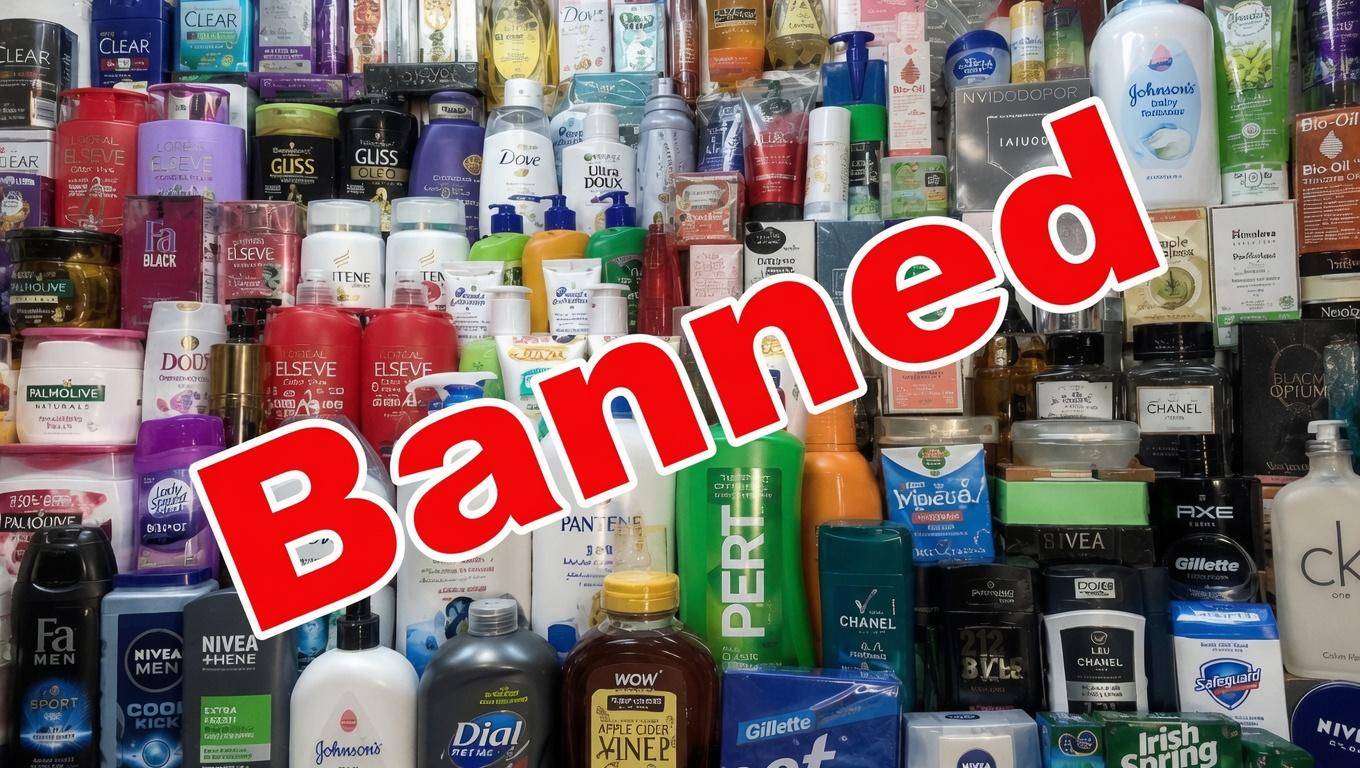
The government of Bénin has taken decisive action against the market for skin-lightening products. As of 5 May, a range of creams, lotions, and other substances designed to lighten the skin are officially banned from sale across the entire country. This strong measure targets a widespread practice whose health consequences have become a growing concern for authorities.
A halt to the ‘tchatcho’ phenomenon
In Bénin, the use of skin-lightening products, locally known as “tchatcho”, is common across social strata. From the stalls of Dantokpa market to online shops on social media, these products were readily available until now. With this new regulation, authorities aim to halt the proliferation. The Ministry of Health, together with pharmaceutical regulatory bodies, has drawn up a list of products deemed hazardous. Reinforced inspections are now planned for both wholesalers and small retailers. The objective is clear: to cut off the supply chains of a highly profitable trade that is often fueled by smuggling and homemade preparations whose ingredients are entirely unregulated.
Increasingly concerning health risks
The state’s toughened stance is driven by numerous warnings issued over the years by health professionals. Dermatologists in particular have consistently cautioned against the devastating effects of artificial skin lightening. The banned products often contain potentially harmful substances such as hydroquinone, potent corticosteroids, and mercury. Repeated use of these ingredients can severely weaken the skin and lead to sometimes irreversible complications. In the short term, users risk burns, deep stretch marks, extremely thin skin, impaired healing, and recurring skin infections. However, the consequences extend beyond the skin. Once absorbed into the body, these substances can contribute to serious conditions such as chronic kidney failure, high blood pressure, metabolic disorders, and an elevated risk of skin cancers.
A challenge beyond enforcement
While the ban is welcomed by the medical community, its implementation is expected to be complex. Authorities will have to contend with porous borders, the flow of smuggled goods, and vendors who frequently change packaging to evade detection. Beyond penalties, the real challenge is cultural. The preference for lighter skin, fueled by certain beauty standards and persistent social pressures, continues to drive demand. For lasting impact, this policy must be accompanied by extensive awareness campaigns aimed at promoting natural skin tones and dismantling stereotypes related to skin color. By embarking on this fight, Bénin takes a significant step in protecting public health. It remains to be seen whether the authorities’ resolve and shifting mindsets will sustainably curb the phenomenon of “tchatcho”.