Political shifts in Senegal: pastef and apr join forces against electoral migration
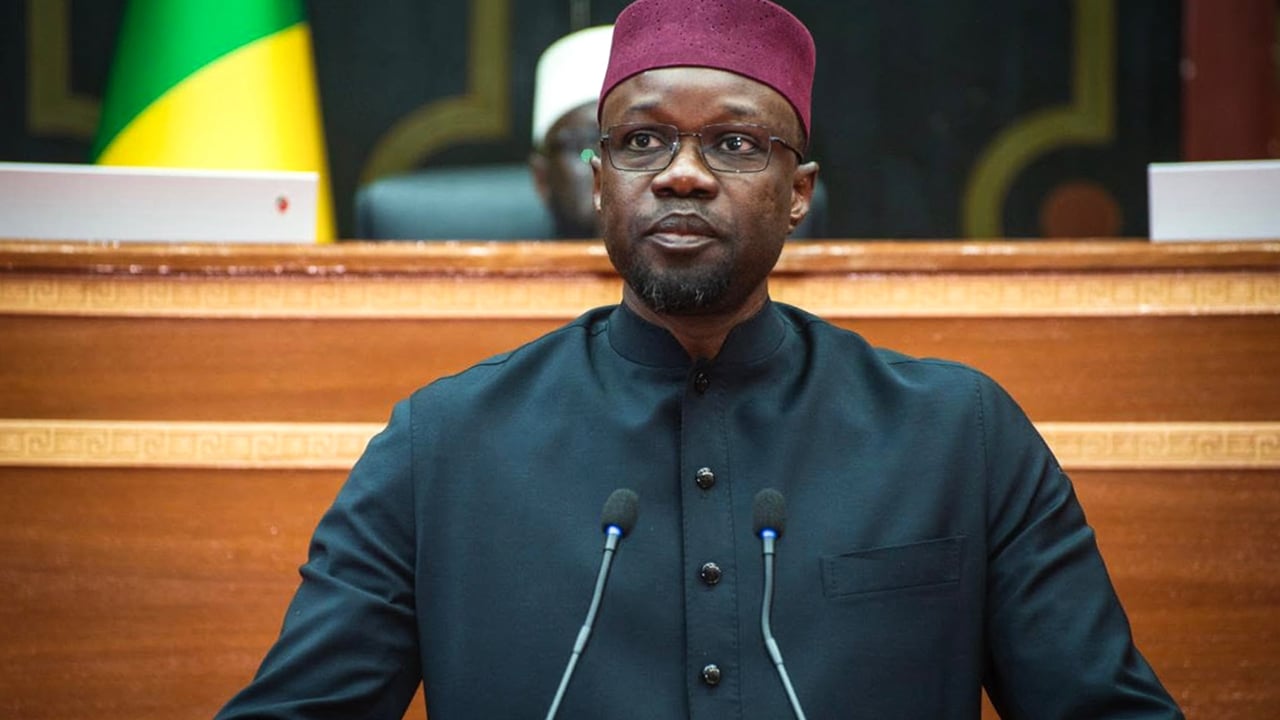
In the heart of Dakar, a rare political alliance is taking shape that could reshape the landscape of upcoming elections. Leaders from Pastef and the APR—once seen as bitter rivals—have set aside their differences to address a growing concern: the surge in electoral migration among politicians.

Why this unexpected coalition matters
Electoral migration—the practice of politicians switching allegiances for personal or strategic gains—has long been a contentious issue in Senegal. This phenomenon, often criticized for undermining democratic integrity, has now pushed two major political forces into an unprecedented collaboration.
The alliance between Pastef and the APR signals a shift in the nation’s political dynamics. While their ideologies and voter bases differ, both groups share a common goal: to curb the destabilizing effects of political opportunism. This move reflects growing public frustration with lawmakers who prioritize self-interest over national progress.
Key players in the alliance
- Ousmane Sonko, leader of Pastef, has emerged as a vocal advocate for political accountability. His party’s strong opposition to electoral migration aligns with the APR’s push for institutional reform.
- Bassirou Diomaye Faye, a rising figure within Pastef, has played a pivotal role in bridging divides and fostering dialogue with the ruling party.
- The APR, led by President Macky Sall’s administration, has historically resisted such partnerships but now acknowledges the need for collective action.
The stakes for Senegal’s democracy
The collaboration between these factions is not just about curbing electoral migration—it’s about restoring public trust. Senegalese citizens have grown weary of political gamesmanship, where elected officials frequently change parties to secure power or financial gain. This alliance sends a clear message: the era of unchecked political fluidity may be coming to an end.
However, challenges remain. Skeptics question whether this partnership will translate into tangible reforms or remain a symbolic gesture. The coming months will reveal whether this unity is built to last or merely a temporary truce in a deeply divided political landscape.
A new chapter for Senegalese politics?
This unexpected coalition could mark a turning point in Senegal’s political narrative. By joining forces, Pastef and the APR are challenging the status quo and signaling a commitment to democratic values. If successful, their efforts could inspire broader reforms and set a precedent for future elections.
For now, the nation watches closely as these two political giants navigate uncharted territory. The outcome of their partnership will not only shape the next election cycle but also define the future of political integrity in Senegal.