
Benin Niger leaders agree to reopen shared border
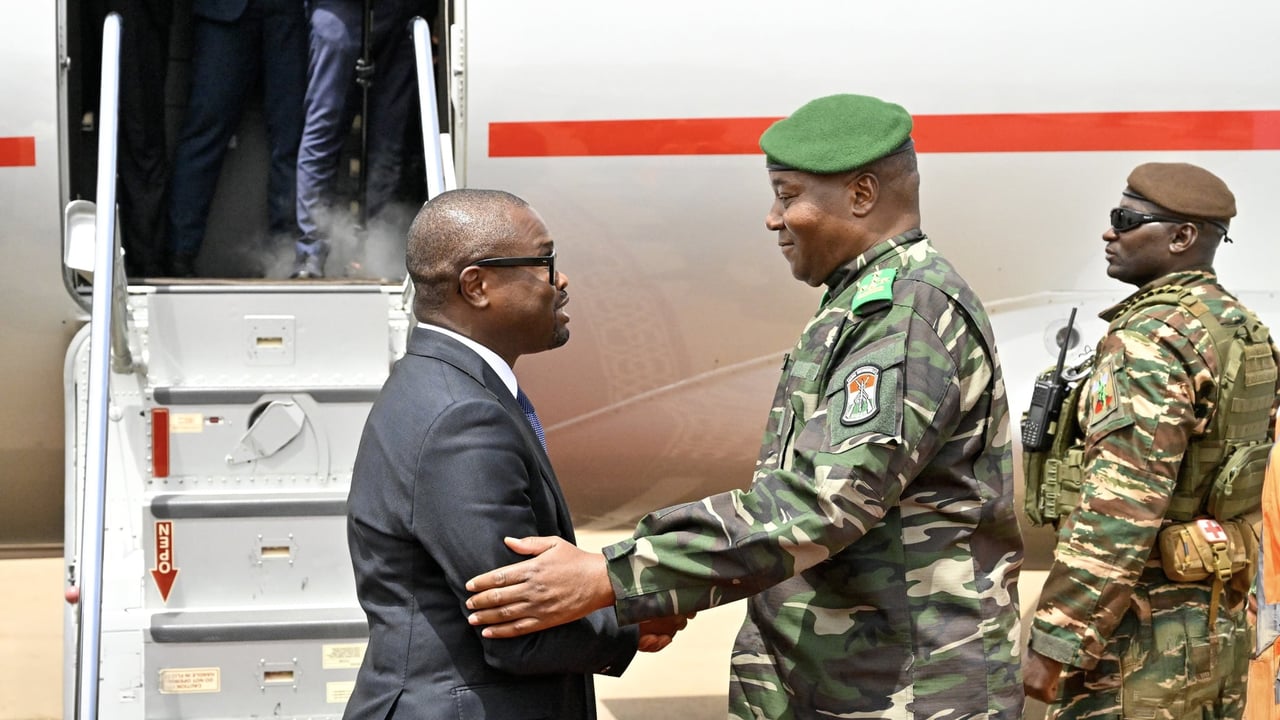

In a landmark diplomatic engagement, Romuald Wadagni, Benin’s Minister of Foreign Affairs, and Abdourahamane Tiani, Niger’s Head of State, formally committed to reopening their nations’ shared border.
The announcement follows high-level talks in Niamey, where both leaders underscored the importance of regional stability and economic cooperation. The decision marks a significant shift in cross-border relations that had been constrained by security concerns over the past two years.
Key agreements reached during the Niamey summit
The commitment to reopen the border was part of a broader agenda addressing trade, mobility, and security. Both governments agreed to:
- Restore full commercial traffic between Benin and Niger within 30 days
- Implement joint border patrols to enhance security and curb illicit movements
- Launch a bilateral commission to monitor implementation and resolve disputes
During the joint press briefing, Wadagni emphasized that reopening the border would unlock economic opportunities for both countries, particularly in agriculture and trade. Tiani, for his part, highlighted the need for a balanced approach—ensuring security while fostering regional integration.
What this means for West African trade
The border closure had disrupted supply chains, particularly for goods moving between coastal ports in Benin and landlocked Niger. The move to reopen it is expected to:
- Reduce transit costs and delays for traders
- Boost agricultural exports, including cotton and cashews
- Strengthen the Economic Community of West African States (ECOWAS) economic integration agenda
Economic analysts view this development as a positive signal for regional trade dynamics, especially as Benin and Niger seek to diversify their economic partnerships post-pandemic.
Next steps: From commitment to action
While the announcement has been met with cautious optimism, several practical steps remain before full reopening:
- A technical team from both countries will meet within two weeks to finalize operational protocols
- Customs and immigration agencies will coordinate to streamline border procedures
- A joint security assessment will be conducted to identify potential risks
Both leaders reiterated their determination to see the border reopened as soon as possible, with Tiani stating, “This is not just about opening a line on a map—it’s about reconnecting our peoples and economies.”
The decision reflects a broader trend in the Sahel, where nations are balancing security imperatives with the need to revive economic ties. It also sets a precedent for other landlocked countries seeking to enhance regional connectivity.