
Cameroon reshuffles judiciary leadership after six-year delay
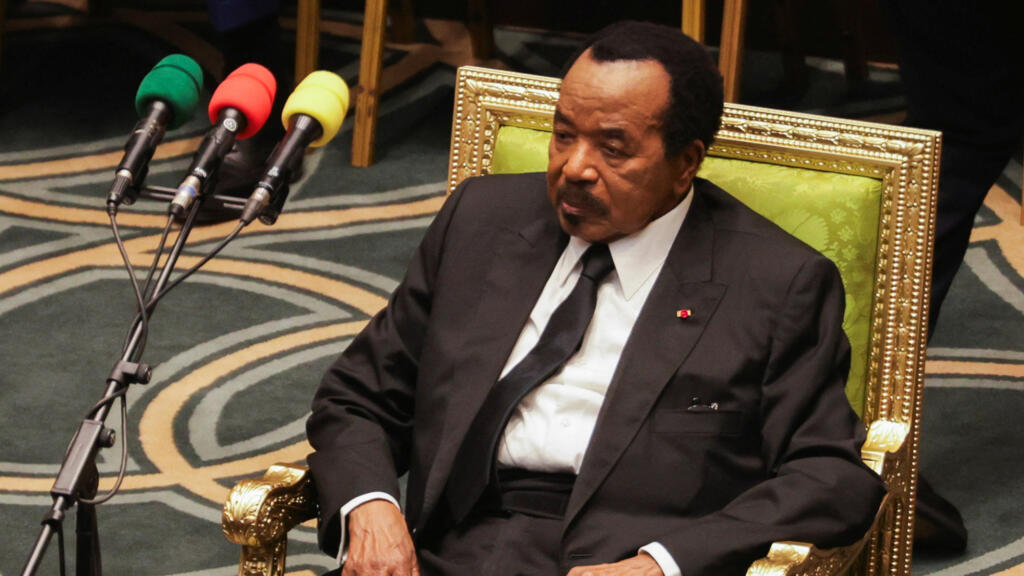
President Paul Biya revives Cameroon’s top judicial body with new appointments
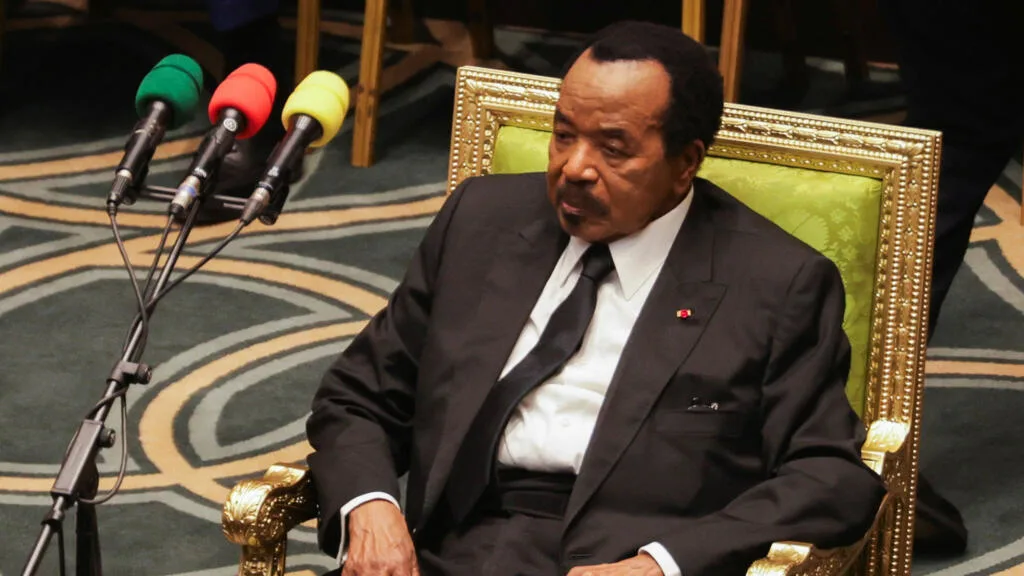
The appointment of fourteen new members to Cameroon’s Superior Council of the Judiciary marks a pivotal moment for the nation’s legal system, which has remained dormant for nearly six years. This long-awaited revival offers hope for a judiciary that has been paralyzed by inaction, with far-reaching consequences for justice delivery across the country.
The newly appointed council members, sworn in on June 2, will serve a five-year term under the leadership of President Paul Biya himself. The judiciary has been crippled by the absence of this key institution, leading to a halt in critical processes such as the integration of newly trained magistrates, the appointment of court judges and prosecutors, and the advancement of judicial careers.
Restoring momentum to Cameroon’s judiciary
Hundreds of magistrates, trained but never deployed, have been left in limbo since their graduation. The Superior Council’s dormancy has also frozen career progression for sitting judges and prosecutors, stalling the entire judicial machinery. With these appointments, stakeholders anticipate a swift reactivation of the council to address the backlog and restore normalcy.
Observers also suggest that these appointments may signal further imminent changes, including the long-overdue formation of a new government and the filling of the Vice-President position, vacant since its creation in April. The move underscores a broader effort to revitalize governance and administrative structures in Cameroon.