Bénin’s new senate: institution or shadow government?
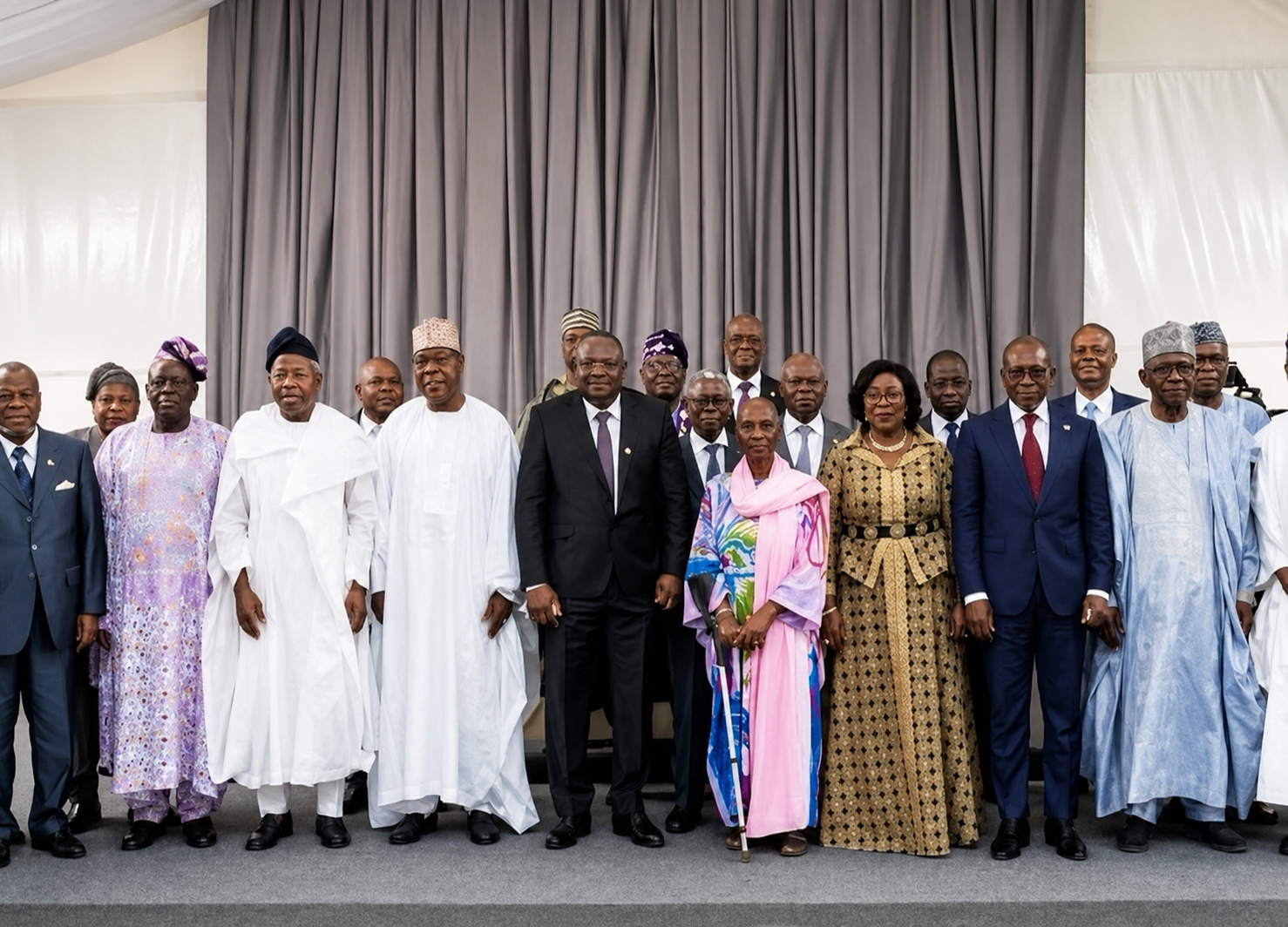
The official inauguration of Benin’s first Senate on July 30, 2026, followed by the election of former president Patrice Talon as its president on August 6, marks a significant milestone in the country’s institutional evolution. Established through the December 17, 2025 constitutional revision, this second parliamentary chamber introduces a new dynamic to Benin’s political architecture.
An institution born of constitutional reform, not personal ambition
The Senate’s creation stems directly from Benin’s revised constitution, not from any individual’s initiative. This bicameral system, comprising the National Assembly and the Senate, was formally adopted to redefine the country’s legislative framework.
The Constitution clearly outlines the Senate’s structure, powers, and operating procedures. Its existence is independent of any particular leadership, making it a permanent fixture of Benin’s political system rather than a temporary or personalized arrangement.
From president to senator: influence without executive power
Patrice Talon’s transition from the presidency to the Senate presidency has fueled speculation about his continued political influence. While his past experience and networks may naturally carry weight, his new role does not grant him executive authority.
Romuald Wadagni, elected president in April 2026, has since assumed the nation’s highest office. Talon’s position as Senate president does not replicate presidential powers he neither commands the government nor directs state administration. The Constitution explicitly reserves these responsibilities for the elected president.
Legislative functions with clear limitations
Though the Senate holds substantial legislative powers, these are carefully circumscribed by the Constitution. Key bills including constitutional amendments, electoral laws, and party regulations require the Senate’s non-objection before enactment. However, objections require a two-thirds majority, and silence within the stipulated timeframe is interpreted as approval.
The Senate can also request a second review of laws passed by the National Assembly, with exceptions for financial and budgetary matters. These mechanisms underscore its role as a deliberative body rather than a parallel government.
A chamber of experience and mediation
The Senate’s composition reflects a deliberate effort to integrate institutional wisdom. Constitutional provisions ensure representation from former high-ranking officials, including defense and security sector veterans, supplemented by additional members to meet the 25-seat threshold.
This structure positions the Senate as a potential mediator in political crises, fostering dialogue and consensus-building a role distinct from legislative or executive functions. Its mandate includes preserving national unity, democracy, and stability, but it does not authorize governance.
Political continuity vs. constitutional separation
Wadagni’s election as president, with over 94% of the vote, has been framed as political continuity. While this may be debated, it does not equate to institutional power-sharing. The Senate’s primary responsibility remains legislative regulation, not executive decision-making.
Critics who conflate influence with constitutional authority risk overlooking the Senate’s defined boundaries. The institution’s effectiveness will be measured by its adherence to these limits, its dialogue with the National Assembly, and its role in preventing political tensions not by the prominence of its president.
Measuring success beyond speculation
The true test of the Senate lies in its operational performance. Will it function as a redundant chamber or a meaningful check on legislation? Can it balance its regulatory role with respect for constitutional obligations, including the prohibition on partisan activity by senators?
Ultimately, the Senate’s legacy will depend on its ability to stabilize Benin’s institutions, enhance legislative quality, and uphold democratic norms without overstepping its constitutional mandate. The era of conjecture must now give way to empirical assessment of its real-world impact.