
Burkina Faso’s healthcare milestones in 2025: a year of transformation
In 2025, Burkina Faso’s healthcare system reached a pivotal moment, demonstrating remarkable resilience and progress despite ongoing security and economic challenges. The nation made groundbreaking strides in healthcare infrastructure, specialized medical services, and financial accessibility, reshaping its medical landscape for the better.
Historic firsts in surgical excellence
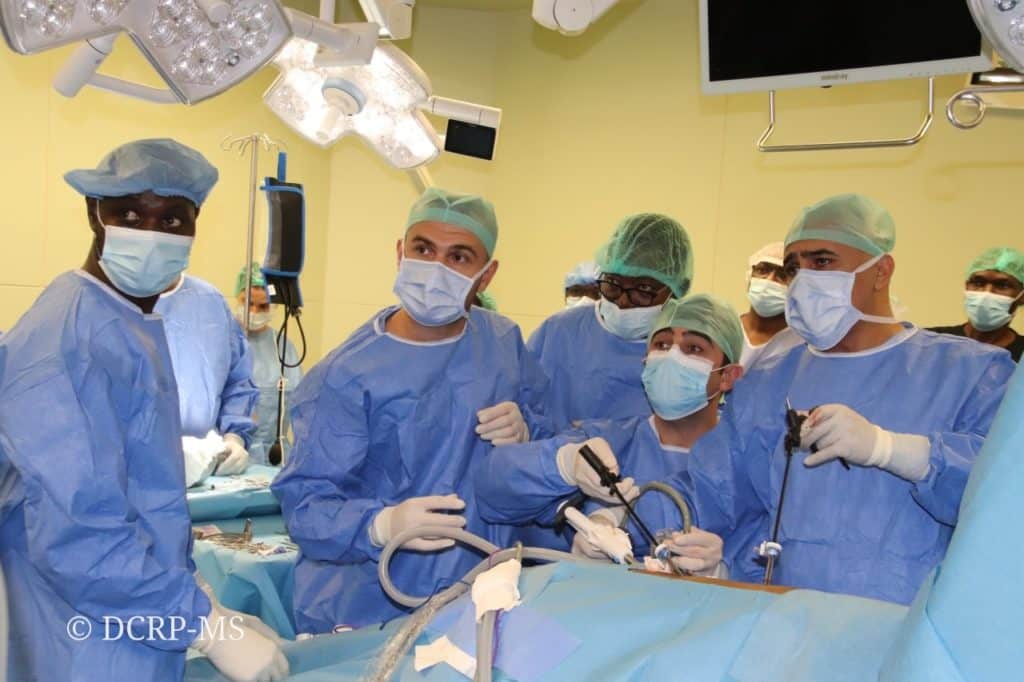
One of the year’s most notable achievements was the country’s first-ever kidney transplant, performed at the Tengandogo University Hospital Center (CHU) in Ouagadougou. This landmark procedure, executed by a skilled Burkinabè-Turkish medical team, signifies a major leap forward in treating renal failure locally.
The successful transplant reduces Burkina Faso’s reliance on international medical evacuations, which were previously the only option for such complex cases. This achievement underscores the nation’s growing capacity to handle advanced medical interventions independently.
Neurosurgery takes center stage in Kaya
Another medical milestone occurred in Kaya, within the Kuilsé region, where a team led by Dr. Lassané Taoko, a leading neurosurgeon, successfully removed a life-threatening brain tumor. Assisted by anesthesiologist Dr. Fabrice Lompo, the surgery highlights the expanding expertise in specialized care across Burkina Faso’s healthcare facilities.
Expanding healthcare infrastructure for better access
The year 2025 saw the inauguration of the Pala University Hospital Center, a state-of-the-art facility equipped with cutting-edge technology. This new hospital significantly enhances specialized care in the region, ensuring more patients have access to advanced treatments close to home.
Additionally, the opening of the Gaoua hemodialysis center addresses the growing demand for renal care in the Djôrô region. These developments are critical in meeting the healthcare needs of local communities.
Making healthcare more affordable for all
The Burkinabè government implemented significant cost reductions in public hospitals to improve financial accessibility. Key price adjustments included:
- A 50% reduction in CT scan costs, dropping from 50,000 FCFA to 25,000 FCFA.
- A 60% reduction in MRI costs, from 100,000 FCFA to 40,000 FCFA.
- The elimination of the 500,000 FCFA deposit required for hemodialysis, removing a major financial barrier for patients.
These measures aim to ease the financial burden on patients, enabling earlier diagnoses and treatments for serious conditions.
Public health and prevention: a focus on vulnerable groups
Preventive healthcare saw significant progress in 2025. The national seasonal malaria chemoprevention campaign successfully reached nearly all children aged 3 to 59 months, reducing severe cases and fatalities linked to this endemic disease.
Efforts to combat maternal and neonatal mortality were also strengthened through improved monitoring and management of preventable deaths, ensuring safer pregnancies and deliveries.
Structural reforms for a resilient healthcare system
The year marked the adoption of key structural reforms, including:
- The strengthening of primary healthcare services to ensure foundational care for all.
- The digitalization of community health services to enhance efficiency and outreach.
- The tightening of anti-tobacco regulations to promote public health and reduce smoking-related illnesses.
A brighter future for Burkina Faso’s healthcare
While challenges remain, 2025’s advancements reflect Burkina Faso’s unwavering commitment to building a more resilient, accessible, and people-centered healthcare system. These milestones not only improve health outcomes but also instill hope for a healthier future across the nation.



