
Diphtheria cases surge in Mali amid ongoing humanitarian crisis
Since mid-September, Mali has faced a rapid upsurge in diphtheria cases, a preventable yet deadly infectious disease. The outbreak is worsening against a backdrop of a crippled healthcare system, chronic shortages, and increasingly restricted humanitarian access. In this fragile context, the disease spreads unchecked, particularly in regions already grappling with insecurity and collapsing public services.
Escalating cases and fatalities
As of early December, official reports indicate over 530 confirmed cases and 30 deaths. However, the United Nations warns that the true toll is likely far higher due to widespread underreporting. The hardest-hit areas include Mopti, Ségou in central Mali, and Tombouctou in the northwest—regions plagued by insecurity, movement restrictions, and collapsing infrastructure.
In these zones, the diphtheria outbreak is exacerbated by severe shortages of vaccines, limited healthcare access, and mass displacement. The persistent instability and lack of resources have created ideal conditions for the disease to thrive, leaving vulnerable populations at even greater risk.
Emergency response amid access barriers
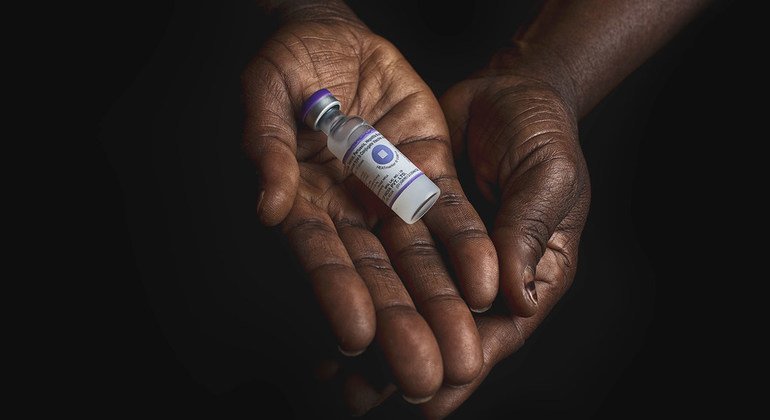
In response to the growing crisis, the UN’s emergency relief coordinator, Tom Fletcher, has allocated $1 million from the Central Emergency Response Fund (CERF) to fund immediate health interventions. The funds aim to support the World Health Organization (WHO) in deploying emergency medical teams, distributing antibiotics and antitoxins, and bolstering infection prevention, patient care, contact tracing, and community outreach.
Yet, these efforts face significant hurdles. Humanitarian access in Mali is increasingly constrained by fuel shortages, movement restrictions, and ongoing insecurity. Mobile clinics are operating at reduced capacity, supply chains are disrupted, and isolated communities remain beyond reach—leaving many without essential medical care.
A crisis within a crisis
The diphtheria outbreak highlights the broader humanitarian emergency in Mali, where over a quarter of the population requires urgent assistance. The disease exposes the deep vulnerabilities of the country’s healthcare infrastructure, already strained by years of conflict and instability. Without sustained support and improved access, the situation risks spiraling further out of control, with devastating consequences for affected communities.