
Burkina Faso is rolling out an ambitious urban greening initiative to combat rising temperatures and dusty streets. The national landscaping program aims to create 80 green spaces, green 60 roundabouts, and develop 65 kilometers of tree-lined roads across the country’s urban centers. This transformative effort is reshaping Burkina Faso’s cityscapes, blending nature with urban infrastructure.
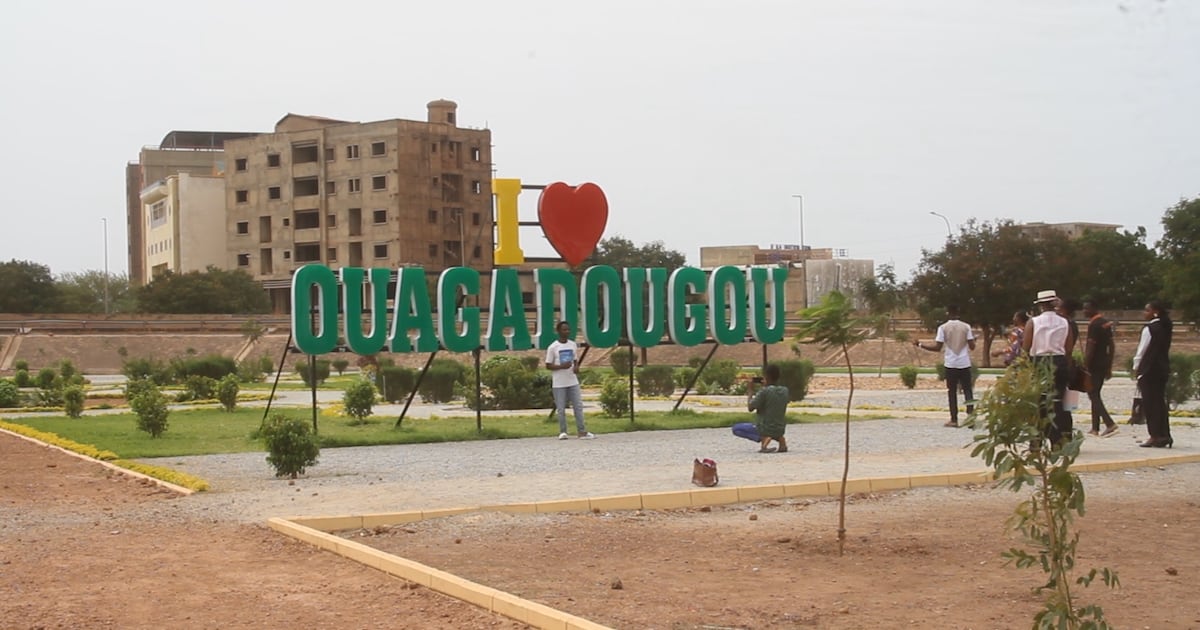
Many cities in Burkina Faso struggle with extreme heat, dust storms, and a lack of recreational areas. Projects like the green space at the base of the Ouaga 2000 interchange are already making a difference, offering residents—and visitors—a breath of fresh air. The initiative is not just about aesthetics; it’s about improving quality of life for everyone who calls these cities home.
Dr. Ines Bationo, a Burkinabè diaspora member visiting from Senegal, shared her enthusiasm: “You can’t imagine how thrilled I was to see these newly landscaped spaces. I’ve been here for a week, and they completely transformed my experience. The beauty and care put into these areas left me in awe.”
The benefits of urban greening extend beyond visual appeal. Research from cities worldwide confirms that trees and green spaces significantly lower urban temperatures. Street trees provide shade, reducing the heat island effect and making city life more bearable during scorching summers. Studies suggest that widespread greening could lower average city temperatures by up to 2°C, easing the health risks associated with heatwaves. Under forest cover, temperatures can be as much as 4°C cooler than in open, sun-exposed areas.
Mahamadi Ouedraogo, a local community leader, emphasized the ecological shift: “Before, these areas were just barren, dusty patches. Now, they’re beautiful, with a microclimate that’s exactly what we need. As a Sahelian country, we face intense heat, so prioritizing ecological solutions is crucial.”
Beyond environmental advantages, urban greening fosters social cohesion. These green spaces serve as hubs for relaxation, community gatherings, and even tourism. Sidoine Nakanabo, a visitor, expressed her delight: “It’s wonderful. This place offers a perfect spot to unwind and could even boost Burkina Faso’s tourism appeal.”
However, the success of this initiative hinges on long-term maintenance. Planting trees is just the first step; ensuring their survival and upkeep requires a sustainable plan. Lassané Sawadogo, a civil society advocate, highlighted the need for financial sustainability: “After development, we must establish access conditions for municipal and environmental authorities to generate revenue for ongoing care.”
The message from Burkina Faso is clear: a modern city is more than concrete and asphalt—it’s about trees, shade, and spaces where people can connect with nature and each other.