
How Captain Ibrahim Traoré is pushing Burkina Faso into unprecedented international isolation
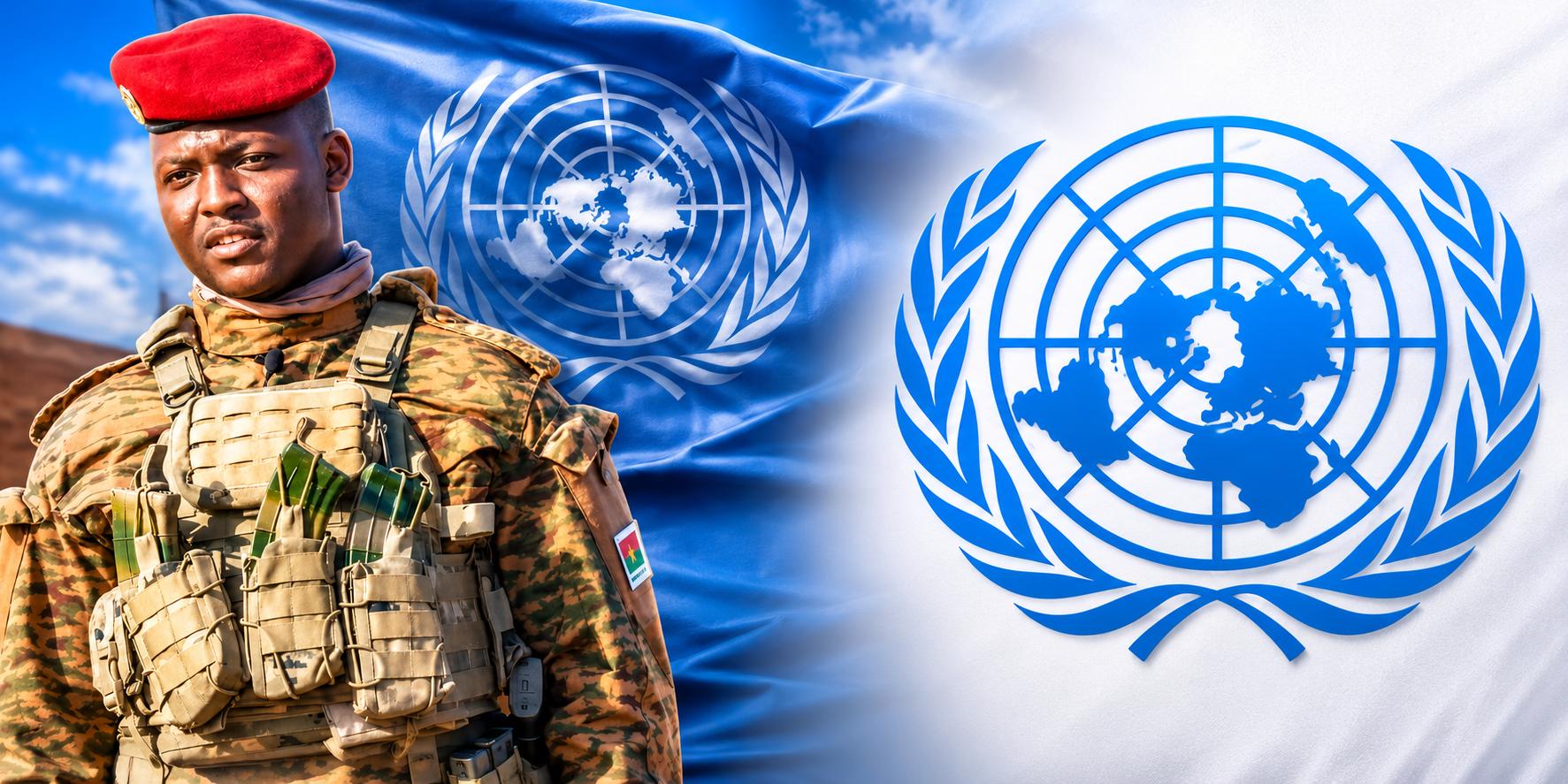
Burkina Faso finds itself today trapped in an isolation rarely seen in modern diplomacy. While global attention often shifts to geopolitical tensions elsewhere, the political choices driving this isolation bear a single name: Captain Ibrahim Traoré, the military leader who seized power in September 2022. His recent decision to expel the United Nations human rights office marks not an isolated incident but the culmination of a pattern of governance rooted in deep distrust and an outright rejection of accountability.
From sovereignty to self-isolation: a calculated strategy
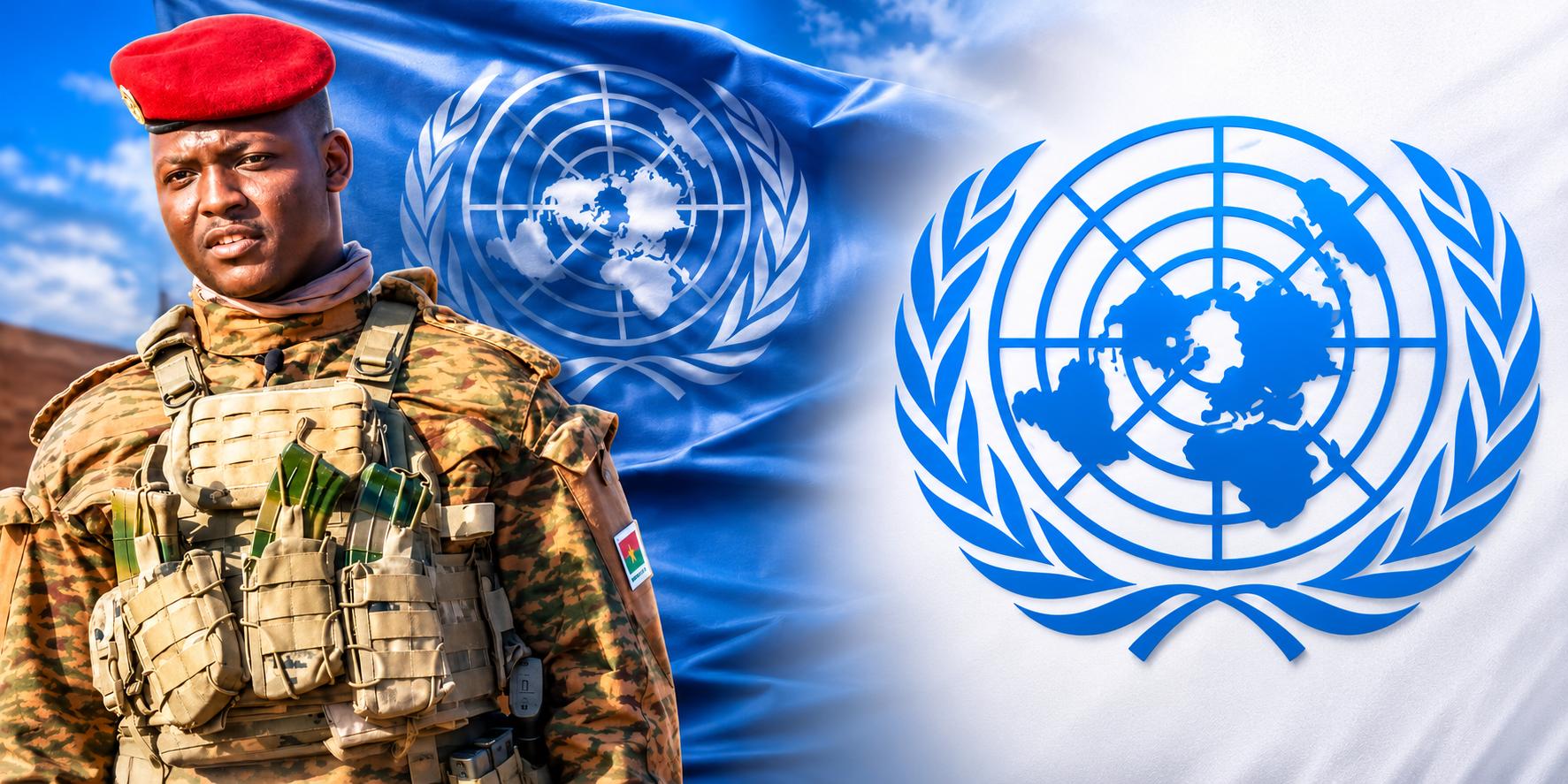
The expulsion of the UN office is not an accidental misstep—it is the latest in a deliberate campaign to dismantle Burkina Faso’s diplomatic alliances. Captain Traoré’s approach has systematically dismantled the country’s relationships with key international partners, not out of necessity, but as a core survival tactic for his regime.
Among the critical ruptures orchestrated under his leadership:
- A deliberate end to regional cooperation. Burkina Faso’s withdrawal from the Economic Community of West African States (ECOWAS) marked a sharp turn away from decades of integration and dialogue.
- A crackdown on independent voices. Local and international media outlets face suspension or closure at the slightest hint of dissent, silencing critical reporting.
- An attack on domestic oversight. Even Burkina Faso’s own National Human Rights Commission (CNDH) was targeted before the UN was expelled, signaling a refusal to tolerate any form of external scrutiny.
By removing every independent observer, Captain Traoré seeks to monopolize the narrative of the conflict. Any documentation of abuses, failures, or violations is immediately dismissed as “treason” or “foreign interference,” a tactic that erodes trust not only with the world but within Burkina Faso itself.
The human cost of a closed-door policy
This refusal to engage with international institutions comes at a steep price. By turning its back on the United Nations and announcing withdrawal from the International Criminal Court (ICC), the Traoré administration has chosen to operate beyond the reach of global accountability. But sovereignty is not a license to evade justice—especially when civilians are paying the highest price.
One of the most damaging consequences is the loss of crucial international expertise in humanitarian law. The UN’s departure leaves Burkina Faso’s armed forces and civilian defense volunteers (VDP) without vital guidance in conflict zones. The result? A dangerous vacuum where impunity thrives, breeding resentment among local populations and potentially pushing them toward extremist groups.
In his pursuit of absolute control, Captain Traoré is not just isolating Burkina Faso from the world—he is isolating it from its own people. True sovereignty is not built on secrecy and defiance, but on responsibility, transparency, and the protection of citizens. By rejecting both, he risks deepening the crisis and pushing the nation further into the hands of those who exploit instability.
For a country already grappling with escalating insecurity, this path of isolation is not a strategy—it is a surrender to chaos.