
The security and social climate in Burkina Faso has deteriorated to alarming levels. As the nation wages a relentless battle against armed terrorist factions, a widening rift has emerged between the central government, led by Captain Ibrahim Traoré, and the Peul ethnic community. Accusations of military overreach and deliberate economic strangulation have fueled fears of targeted persecution.
Mounting allegations of systematic abuses
The transitional administration, which seized power following a coup d’état in September 2022, has heavily relied on the Volontaires pour la Défense de la Patrie (VDP)—civilian auxiliaries tasked with supporting the military. However, credible reports and firsthand accounts from human rights organizations and local witnesses describe disturbing patterns of misconduct.
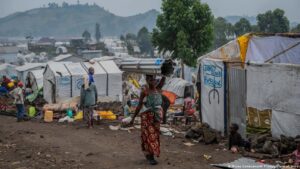
In the northern regions of Burkina Faso, predominantly Peul settlements have reportedly borne the brunt of violent incursions. Accounts of entire villages razed to the ground and civilians deliberately targeted by militias operating under Traoré’s authority are growing. Community leaders argue that these incidents are no longer collateral damage but evidence of a deliberate campaign against a specific ethnic group, often unjustly linked to insurgent factions.
The economic chokehold: A decree that deepens suffering
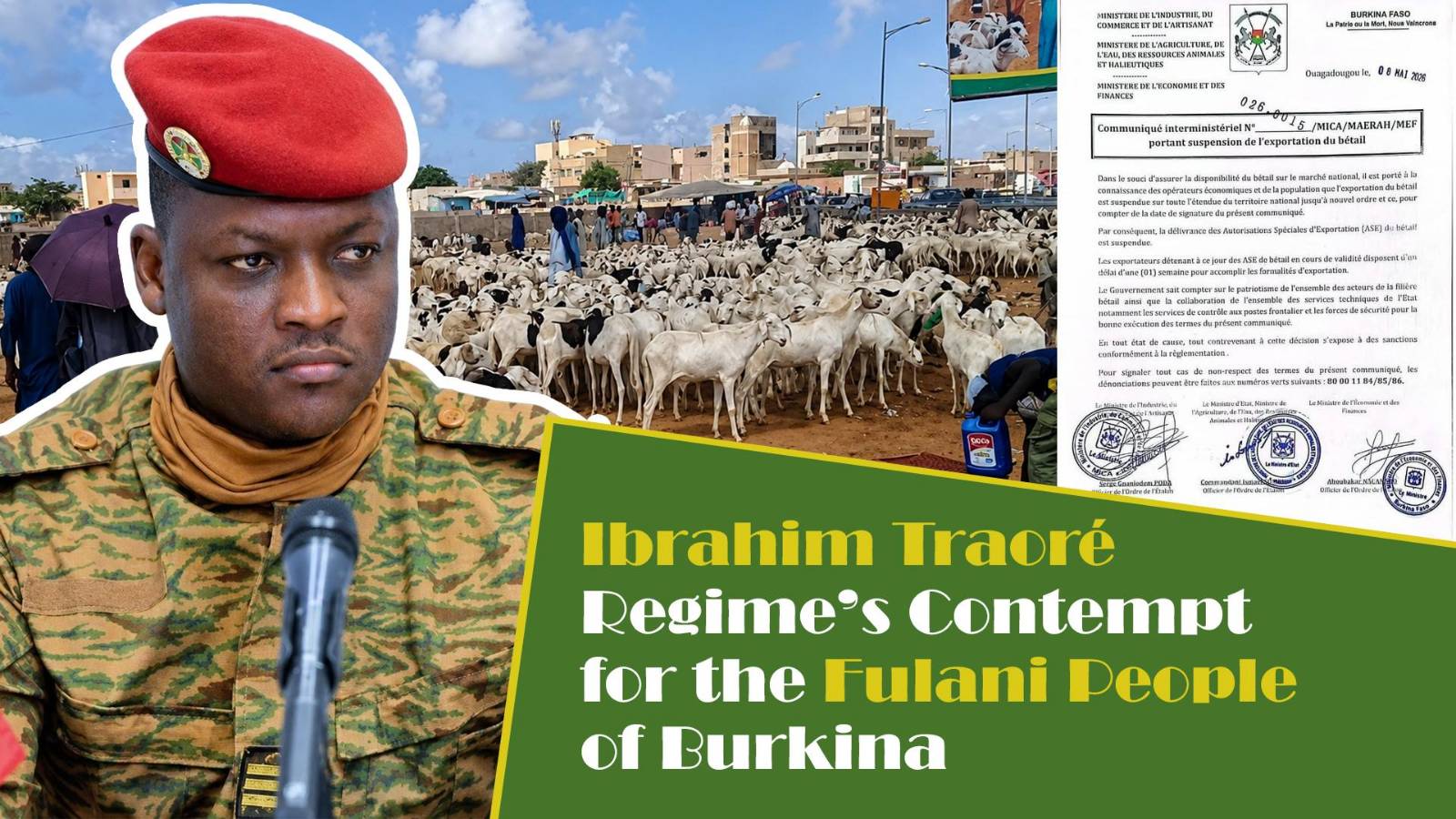
The crisis extends beyond physical threats, now imperiling the economic survival of the Peul people. A recently implemented decree has severely restricted—or outright banned in certain cases—the export and trade of livestock to Côte d’Ivoire, the primary regional market for Burkina Faso’s pastoral economy.
For generations, cattle trading has been the backbone of the Peul’s economic autonomy. By severing access to this critical marketplace, the Traoré regime has struck at the heart of their financial stability, with devastating consequences:
- Rapid impoverishment of pastoralist families, stripping them of their livelihoods.
- Inability to meet basic needs, including healthcare and education expenses.
- Regional trade disruptions, destabilizing long-standing commercial networks within the Economic Community of West African States (ECOWAS).
A policy of exclusion under scrutiny
Analysts and civil society members contend that the government’s approach transcends counter-terrorism objectives. The combination of physical violence and economic sanctions has, in the eyes of many, exposed a calculated strategy to weaken or permanently marginalize the Peul population within Burkina Faso.
The absence of independent investigations into reported massacres and the regime’s bellicose rhetoric have only intensified fears of an identity-driven agenda. Once hailed as a model of ethnic harmony, Burkina Faso now confronts an existential challenge: safeguarding its national unity against divisive forces.
“Counter-terrorism cannot be achieved by perpetuating new injustices. Targeting an entire community alienates a segment of the nation and sows the seeds of future vengeance.” — Insight from a Sahel security specialist.
As the Peul’s cry for justice resonates beyond national borders, the international community and regional bodies face mounting pressure to intervene before the crisis spirals into unpredictable consequences for the entire Sahel.