
Cameroon to open energy transport to public-private partnerships
The Cameroonian Minister of Water and Energy recently unveiled plans to implement public-private partnerships (PPPs) for energy transport projects. This announcement came during a meeting with Filippo Scammacca del Murgo, the Italian Ambassador to Cameroon, who was accompanied by Riccardo Rossi Van Lamsweerde, head of the regional office for Cassa Depositi e Prestiti, Italy’s public financial institution.
Facing significant financial pressures, Cameroon’s Minister of Water and Energy is finally turning to the public-private partnership model, a strategy long advocated by economists such as the late Christian Penda Ekoka for sectors requiring substantial investment. The Cameroonian state is reportedly grappling with a severe treasury deficit, which has severely hampered investment initiatives. Furthermore, the Ministry of Finance, constrained by the need to service unproductive debts, is currently unable to settle payments to KPDC, resulting in a critical loss of 300 MW of electricity for the nation.
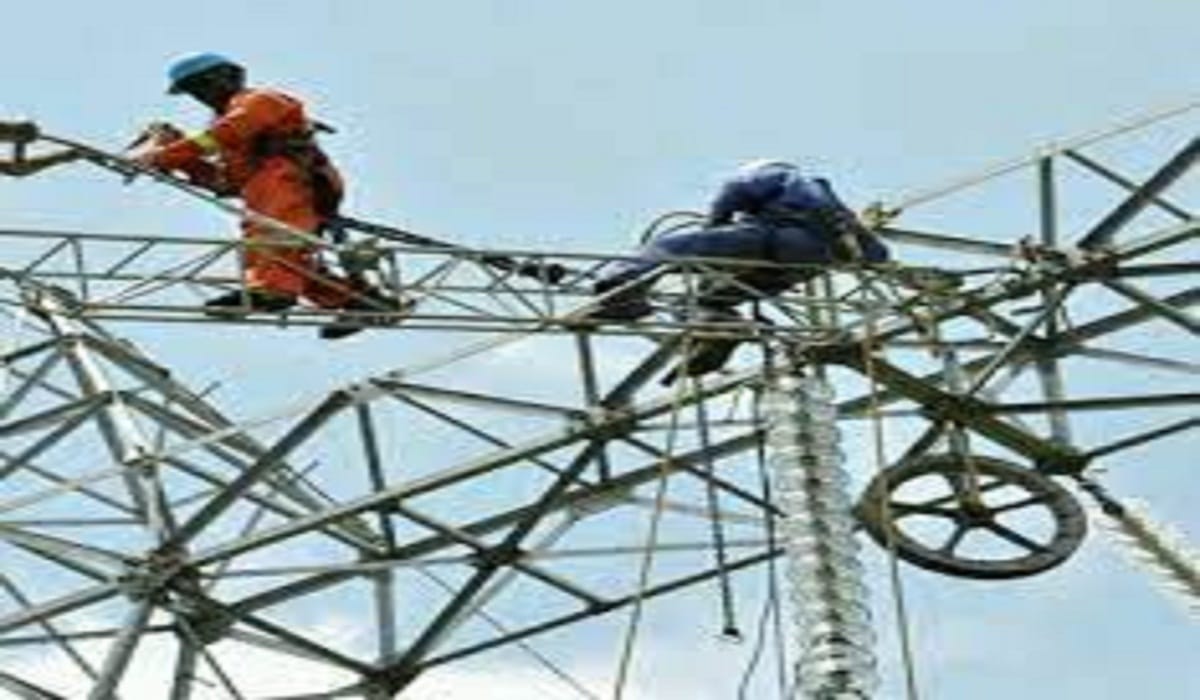
Cameroon experiences a daily loss of 30 MW of electrical energy, a quantity equivalent to the entire current output of the Lagdo dam, due to a malfunctioning transport network. The introduction of public-private partnerships aims to attract private investors, injecting much-needed capital into these vital energy projects. The Minister confirmed this strategic shift during his audience with the Italian Ambassador and the representative from Cassa Depositi e Prestiti.
Critics question why the Ministry of Transport continues to burden citizens with debt for road projects, often awarded to incompetent contractors, when a PPP approach could offer a more effective solution. It is worth noting that the country’s 30 MW production loss has been a known issue since 2014. Despite this, government planning opted to invest over 100 billion FCFA into the Mekin dam project rather than addressing this persistent network inefficiency.
Public-private partnerships entail private entities taking the lead in the entire lifecycle of major projects, from initial conception and development through to execution and ongoing management, thereby removing civil servants from direct operational oversight. This model is considered an ideal remedy for Cameroon, a nation frequently plagued by poorly conceived projects or

Related Posts