Cameroun and central African republic boost trade with new road corridor funding
The Cameroun to Bangui trade route is set for a major overhaul following a landmark financing agreement. The World Bank has just committed $425 million to upgrade this critical 800-kilometer stretch, connecting Douala with the Central African Republic’s capital. Construction work on this vital economic corridor is scheduled to begin next year.
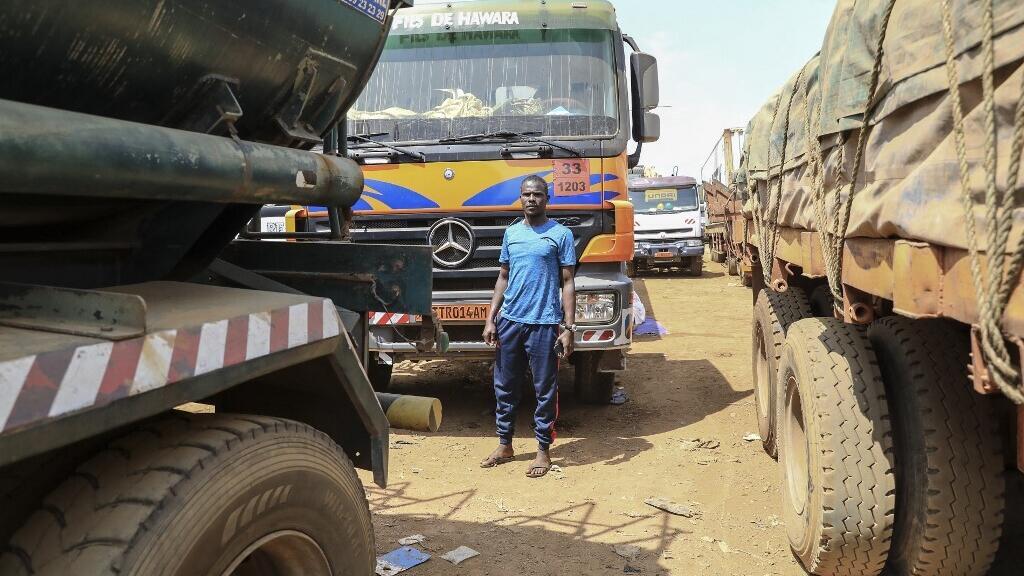
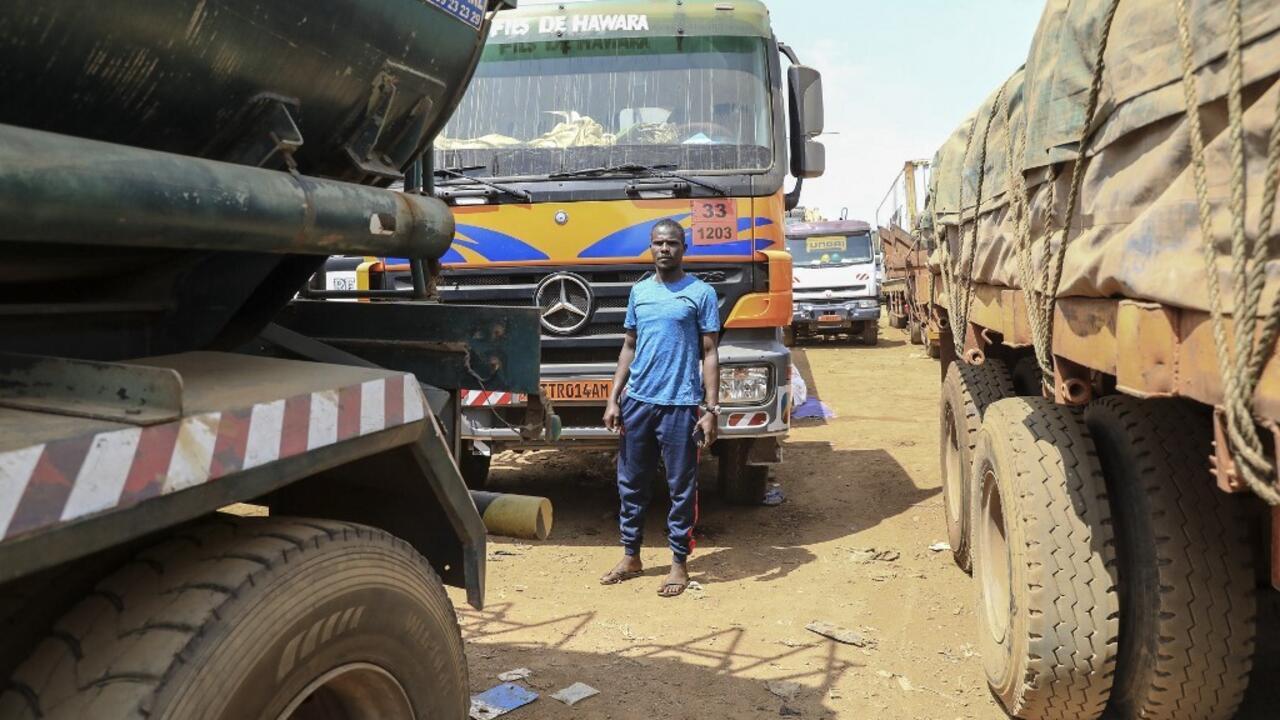
This vital trade artery currently handles 80% of goods entering the Central African Republic and 70% destined for Chad, but its deteriorating condition has been a major bottleneck. Trucks currently take between nine and twelve days to cover the 1,400-kilometer journey, with delays exacerbated by 17 informal checkpoints along the route.
Revolutionizing logistics with smart infrastructure
The upgrade will introduce cutting-edge systems to streamline operations. Donnat Takueté, Director General of Studies at Cameroon’s Ministry of Public Works, explains: «Vehicles suspected of overloading will be automatically directed to weighing stations where violations will be recorded and fines printed on the spot». This automated approach promises to significantly reduce transit times while ensuring fair trade practices.
The World Bank will channel the majority of initial funding to Cameroun ($425 million), with an additional $90 million allocated to the Central African Republic. The remaining funds will support regional preparations for subsequent project phases. Anne-Cécile Souhaid, World Bank Director for West and Central Africa, emphasizes: «This investment marks the first step in modernizing one of the region’s most critical trade corridors».
Comprehensive road network improvements
Emmanuel Nganou Djoumessi, Cameroon’s Minister of Public Works, outlines the scope of work: «We will reconstruct the 215-kilometer Yaoundé-Douala route, rehabilitate the 332-kilometer Yaoundé-Bonis-Ayos section, and upgrade the Bonis-Bertoua stretch, creating a total of 800 kilometers of modernized road». These improvements are specifically designed to meet economic demands and facilitate smoother trade flows.
The multi-year project is expected to generate between 2,000 and 4,000 direct and indirect employment opportunities, providing a significant boost to local economies along the corridor. With construction scheduled to commence next year, this initiative represents a major stride toward economic integration in Central Africa.