
ECOWAS summit 2026 meets without Sahel alliance members
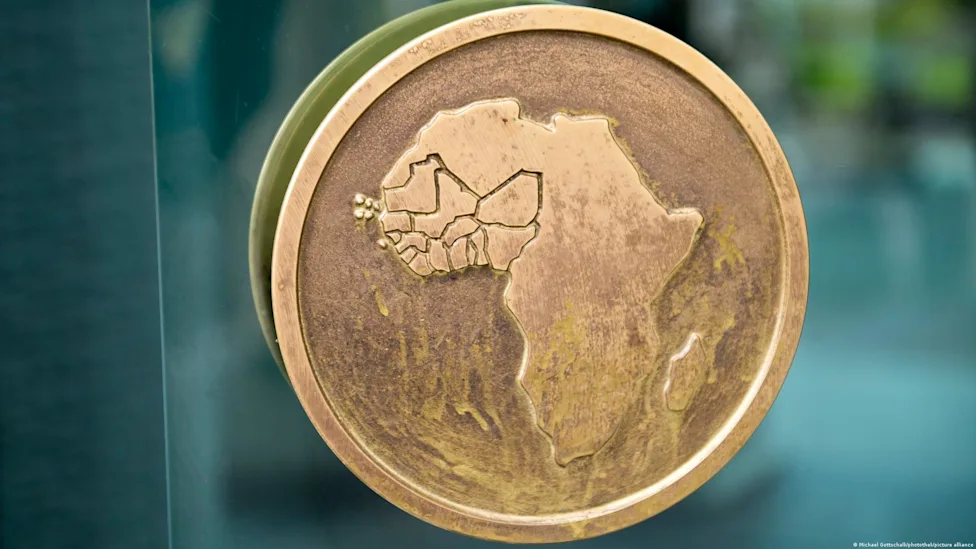
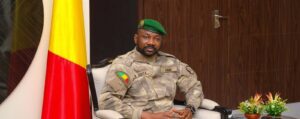
The 69th ECOWAS summit convened in Freetown, Sierra Leone, at a pivotal moment for the Economic Community of West African States. While the regional bloc gathered for its latest session, three key members—Niger, Mali, and Burkina Faso—remain outside its fold, having formed the Alliance of Sahel States (AES). Security challenges and the future of ECOWAS are set to dominate discussions as leaders seek to restore the organization’s credibility.
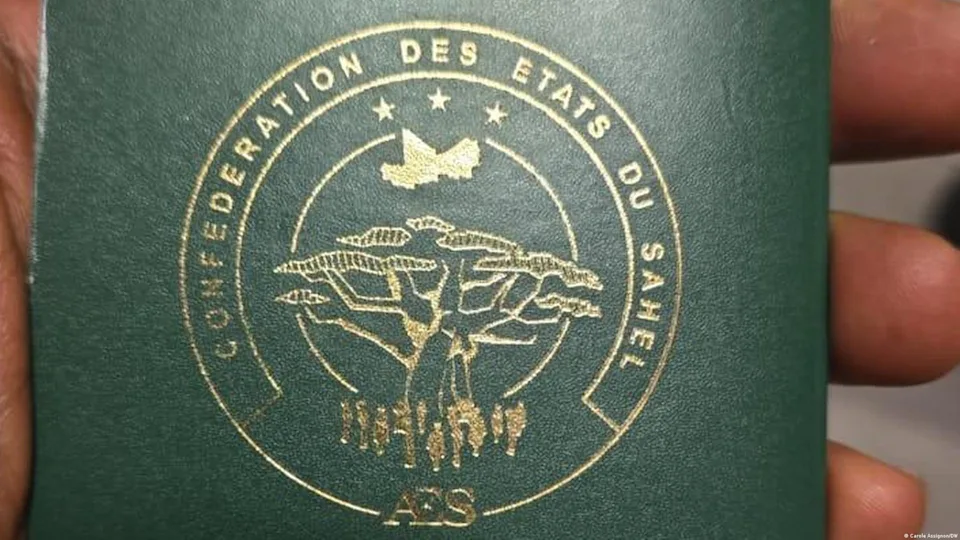
Can ECOWAS redefine its future without Sahel allies?
Beyond symbolic gestures, West African leaders face a critical question: how to reimagine ECOWAS after the departure of Mali, Burkina Faso, and Niger, now united under the Sahel States Confederation. While these nations are no longer part of the bloc, their geographical proximity demands continued cooperation.
Discussions are expected to focus on maintaining cross-border trade, preserving free movement of people, and strengthening security cooperation against a rising tide of terrorism that ignores national boundaries. The challenge lies in reconciling political differences while addressing shared threats.
According to ECOWAS analyst Aliou Diakite, the stakes couldn’t be higher. “Leaders must tackle the bloc’s future amid escalating organized crime linked to terrorism, shifting political landscapes from elections, climate pressures, health crises, and pandemics—all factors forcing urgent action on ECOWAS’s evolution over coming years.”
Regional standby force remains stalled
Several critical issues affecting West African citizens persist unresolved from one summit to the next. The most glaring example is ECOWAS’s long-promised standby force, designed to serve as a rapid-response mechanism against terrorism, political upheavals, and regional instability.
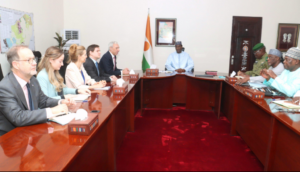
This week’s preparatory meetings in Freetown among defense and security officials signal renewed determination to accelerate the force’s deployment. Guinean cooperation coordinator Michel Ange Bangoura acknowledges institutional frameworks are in place but stresses “the remaining hurdle is securing the necessary resources.”
When pressed on a potential implementation timeline, Bangoura remains cautiously optimistic: “During these ongoing discussions, immediate deployment is on the table—including selecting a host nation to house the force’s headquarters.”
The summit will also confront ECOWAS’s institutional reforms, aiming to rebuild trust after years of political crises and military takeovers across West Africa.

Related Posts