
The 13th of October 2026 marked a decisive shift in Sahel security dynamics as France and Chad signed a landmark defense cooperation agreement in Paris. This historic pact signals a bold new chapter in Franco-Chadian relations following years of military withdrawals and diplomatic friction across the region.
Paris and N’Djamena reset defense relations after years of withdrawal
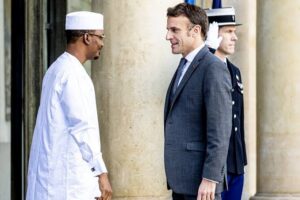
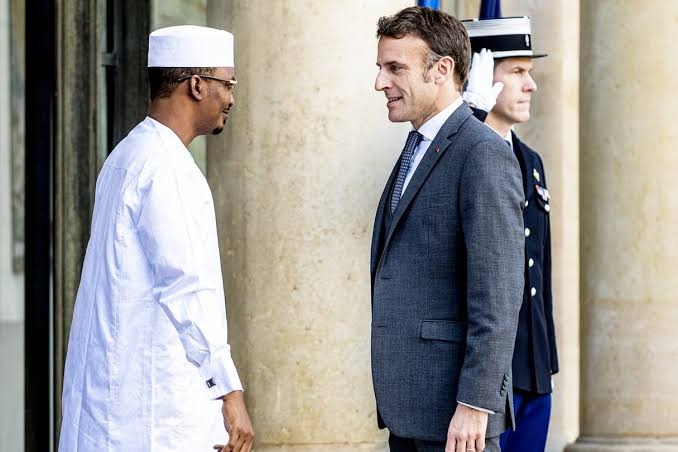
Emmanuel Macron welcomed Chad’s transitional leader Mahamat Idriss Déby to the Élysée Palace for a high-stakes summit that culminated in a renewed defense cooperation framework. The agreement ends nearly two years of strained relations that began when N’Djamena terminated its military cooperation pact with France in November 2024. The withdrawal of French troops and military facilities in early 2025 had fundamentally altered the security landscape in the Sahel.
This new declaration represents more than just diplomatic rehabilitation – it establishes a comprehensive framework focusing on defense training, technical expertise, industrial collaboration and technological innovation. The partnership aims to directly bolster Chad’s military capabilities while maintaining full sovereignty over strategic decisions.
Chad emerges as Sahel’s new security linchpin
Geopolitical realities have elevated Chad’s strategic importance as France recalibrates its Sahel presence. Bordering conflict-ridden Sudan, Libya and the volatile Lake Chad basin, Chad occupies a critical position in regional security architecture. The new cooperation prioritizes border surveillance, counter-terrorism operations and enhanced military training programs.
For Paris, this agreement represents a pragmatic adaptation to the post-withdrawal era. The new framework eliminates permanent military presence while maintaining operational flexibility through targeted support and expert exchanges. The focus has shifted from troop deployments to capability building that empowers Chad to address its own security challenges.
Regional tensions shadow the Franco-Chadian rapprochement
Niger’s delicate diplomatic balancing act
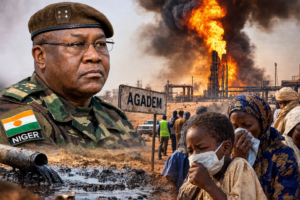
The timing of this agreement couldn’t be more sensitive given the volatile regional climate. The August 28-29 2026 events in Niamey – which Niamey attributed to external actors including Chad – created immediate diplomatic complications. Paris has categorically denied any involvement, but the incident underscores the fragile diplomatic landscape.
Chad and Niger share deep security concerns about transnational terrorism and regional instability. However, their strategic priorities and international partnerships have diverged significantly. This new Franco-Chadian partnership operates within a strictly bilateral framework that doesn’t directly address Niger’s security interests or diplomatic grievances.
Beyond military cooperation: Economic and cultural revival
The October summit transcended defense matters to chart a new course for bilateral relations. Both presidents committed to comprehensive economic and cultural cooperation that addresses development deficits in Chad while creating mutual economic benefits. Key sectors identified for development include infrastructure, energy, healthcare, transportation and education.
This economic pivot responds to urgent development needs in Chad where youth employment and public service delivery remain critical challenges. The conflicts in neighboring countries have further strained resources, making this cooperation vital for regional stability and economic recovery. By shifting from military-dominated relations to balanced partnerships, both nations seek to build sustainable foundations for long-term cooperation.
Testing ground for France’s Sahel diplomacy reset
A model for future engagements
This agreement serves as a proving ground for France’s new Sahel strategy that emphasizes partnership over permanent deployments. The deal formalizes commitments in military training, technology transfers, operational support and institutional capacity building. For Macron, this represents a calculated gamble to rebuild influence through strategic cooperation rather than troop presence.
The partnership’s success depends on Chad’s ability to leverage this support while maintaining strategic autonomy. For Déby’s transitional government, this represents an opportunity to strengthen national capabilities while avoiding the pitfalls of over-reliance on external partners. The agreement reflects both nations’ recognition that sustainable security requires development solutions as much as military ones.
The Franco-Chadian turning point signals a fundamental recalibration of power dynamics in the Sahel. While challenges remain in navigating regional tensions and differing strategic visions, this new partnership demonstrates that diplomacy can triumph over military withdrawal to create lasting regional stability.