
Chad decentralization debate: senator criticizes overcentralization hurdles
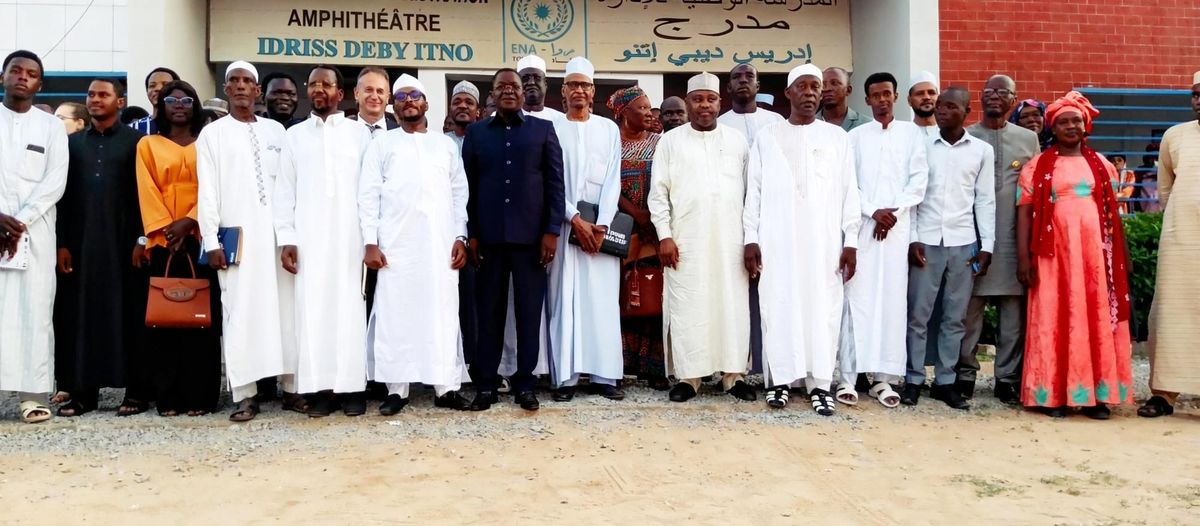
The debate on decentralization in Chad has reached a critical juncture, with former Prime Minister and current Senator Albert Pahimi Padacké leading the charge against what he describes as excessive centralization. In a packed lecture hall at the National School of Administration (ENA) in N’Djamena, Padacké addressed a diverse audience of officials, students, and political actors during a high-profile conference-debate held on May 29, 2026.
The event, titled “Decentralization in the dynamics of development: the case of provincial councils”, drew attention to the gap between Chad’s official commitments to decentralization and the reality on the ground. While the constitutional framework exists, Padacké argued that the central government’s reluctance to relinquish control has rendered the process ineffective.
The promise of local governance
In his opening remarks, Padacké highlighted the theoretical benefits of decentralization: bringing administration closer to citizens, empowering local initiatives, and ensuring fairer wealth redistribution. He emphasized that provincial councils could play a pivotal role in addressing urgent social needs—education, healthcare, and infrastructure—with greater efficiency and relevance. However, he cautioned that Chad’s development cannot progress harmoniously if every decision, no matter how minor, remains subject to approval from the capital’s ministries.
The paralyzing grip of centralization
Padacké’s analysis revealed a stark paradox: despite legal provisions for decentralization, Chad’s governance remains deeply centralized. He described how the central administration resists transferring not only decision-making power but also financial resources to provincial councils. These councils, though formally established, lack the autonomy to implement policies, operating instead as extensions of the central state. “Decentralization without financial autonomy is nothing more than an administrative illusion,” Padacké asserted.
A call for transformative reforms
The conference evolved into a passionate plea for bold reforms. Padacké urged collective awareness and political will to dismantle the vertical centralization that stifles provincial progress. He advocated for empowering local leaders by transforming provincial councils into autonomous economic engines rather than mere transmission belts for the capital’s directives. The subsequent discussions with the audience, including future senior civil servants from the ENA, underscored the urgency and sensitivity of local governance reforms in Chad’s institutional landscape.