
Chad
Chad’s cotton industry seeks French funding to regain momentum
Chad, Central Africa’s second-largest cotton producer, secures a €19.35 million ($22.5 million) grant from France to revitalize its struggling cotton sector.
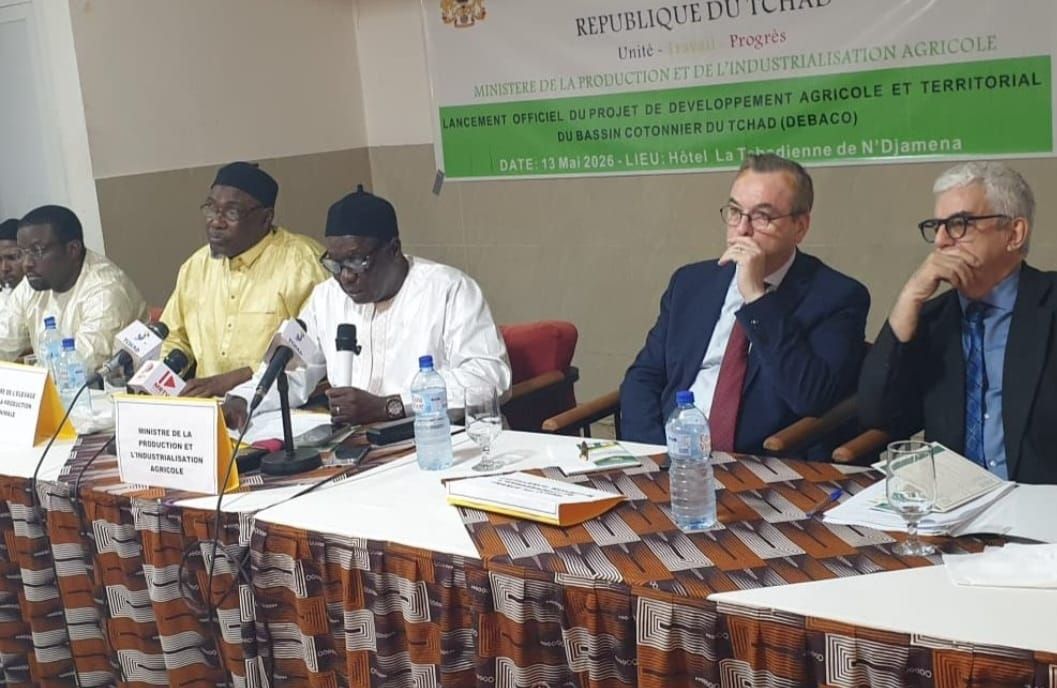
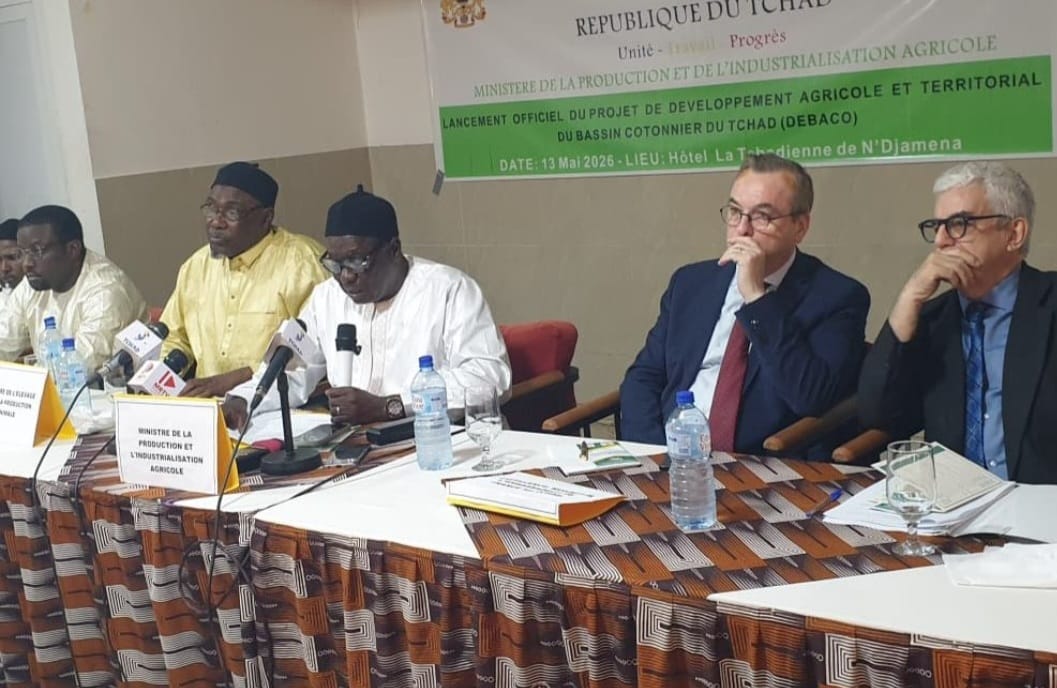
Chad’s cotton industry, Central Africa’s second-largest producer, is turning to French support to overcome years of fluctuating output and revive its struggling sector. The government in N’Djamena announced the launch of the Projet de Développement agricole et territorial du bassin cotonnier du Tchad (DEBACO) on May 13, a five-year initiative backed by €19.35 million ($22.5 million) in funding from the French Development Agency (AFD).
DEBACO represents a strategic shift in France’s engagement with Chad’s agricultural sector, adopting a comprehensive rural development approach. While the program prioritizes cotton, it also extends support to key food crops like sorghum, maize, cowpeas, and groundnuts, reinforcing food security in the region.
« The DEBACO project will enhance land-use planning, secure livestock corridors, prevent conflicts, and establish local dialogue frameworks among stakeholders, » stated Chad’s Ministry of Production and Agricultural Industrialization.
The initiative targets two key provinces—Mayo-Kebbi Ouest and Moyen-Chari—which together account for nearly a quarter of Chad’s annual cotton production, according to USDA data.
Rebuilding a volatile industry
Chad’s cotton sector has faced significant instability in recent years, with output swinging unpredictably. Local production data from the Programme régional de production intégrée du coton en Afrique (PR-PICA) reveals stark fluctuations: cottonseed production surged by 9% in 2023-2024, reaching 111,262 tonnes, before plummeting to 57,774 tonnes in the following season—a nearly 50% decline. However, PR-PICA forecasts a modest recovery for 2025-2026, with production expected to rise by 29.8% to 75,000 tonnes.
The question remains whether DEBACO’s interventions can provide the long-term stability Chad’s cotton industry desperately needs.



