
Challenging Ousmane Sonko’s policies in Senegal carries risks
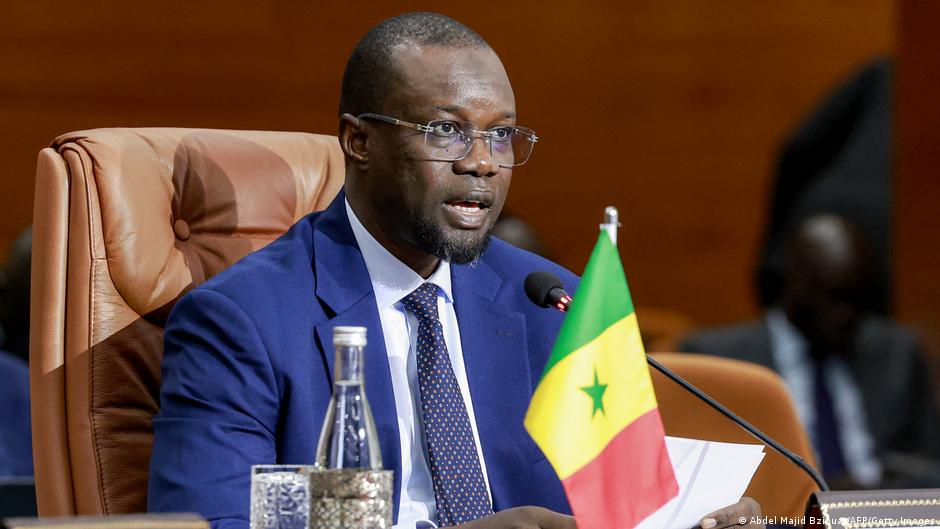
In Senegal, openly criticizing Ousmane Sonko has become a high-stakes endeavor. The leader of the ruling Pastef party, now President of the National Assembly, commands a loyal and vocal following whose online activism often crosses into intimidation. Civil society leaders and journalists report growing unease over the climate of fear that now permeates political discourse in the country.
Those who dare to question Sonko’s actions or statements frequently face coordinated smear campaigns on social media, orchestrated by his most ardent supporters. This digital intimidation has fostered a culture of self-censorship, with many choosing to remain silent rather than risk online harassment or worse.
Media under pressure from the start
Sonko’s relationship with the press has been tense since he took office as Prime Minister in April 2024. In one of his early public addresses, he issued a stern warning to journalists:
“We will no longer tolerate media outlets publishing unverified claims about individuals under the guise of press freedom. Every word must be backed by credible sources.”
These remarks sent shockwaves through Senegal’s media landscape, raising concerns about potential restrictions on journalistic independence.
Judges in the crosshairs
Sonko has also targeted Senegal’s judiciary, repeatedly casting doubt on its integrity. In November 2025, during a public meeting, he accused certain magistrates of obstructing financial investigations, accusing them of perpetuating the very system he has long opposed. His comments drew sharp rebukes from the legal community, deepening tensions between the executive and the judiciary.
Women’s rights: stalled progress
Beyond politics and governance, Sonko’s leadership has sparked concerns about the protection of women’s rights in Senegal. Feminist activists point to stagnation in key areas, including the enforcement of the 2010 gender parity law. According to Ossama Monique Sagna, a prominent feminist advocate:
“The current government has fewer women in ministerial positions than its predecessor under Macky Sall. This represents a clear regression in political representation for women in decision-making roles.”
While Macky Sall’s final cabinet included seven women, Sonko’s administration—before recent reshuffles—had only four, accounting for roughly 13% of cabinet posts. This decline has fueled criticism and disappointment among advocates for gender equality.
Sagna adds that structural challenges persist, with little progress on long-standing feminist demands. She highlights the continued delay in reforming the Family Code, which still contains discriminatory provisions against women, as well as the lack of effective implementation of the Maputo Protocol, particularly regarding reproductive rights and protections against gender-based violence. The situation is further exacerbated by a rising tide of feminicides, with at least 18 cases reported in Senegal in 2025 alone.
Despite widespread outrage, there has been little decisive action from authorities to address these systemic issues, leaving many women’s rights advocates feeling abandoned by the political establishment.