
In the heart of the Sahel, Mali stands at a precarious crossroads. The nation’s leadership clings to power, yet the foundations of its authority are increasingly shaky. A wave of coordinated assaults has exposed vulnerabilities that the government can no longer ignore. The recent surge in violence has not only claimed lives but has also reshaped the security landscape in ways that demand urgent attention.
a day of unprecedented violence shakes the nation
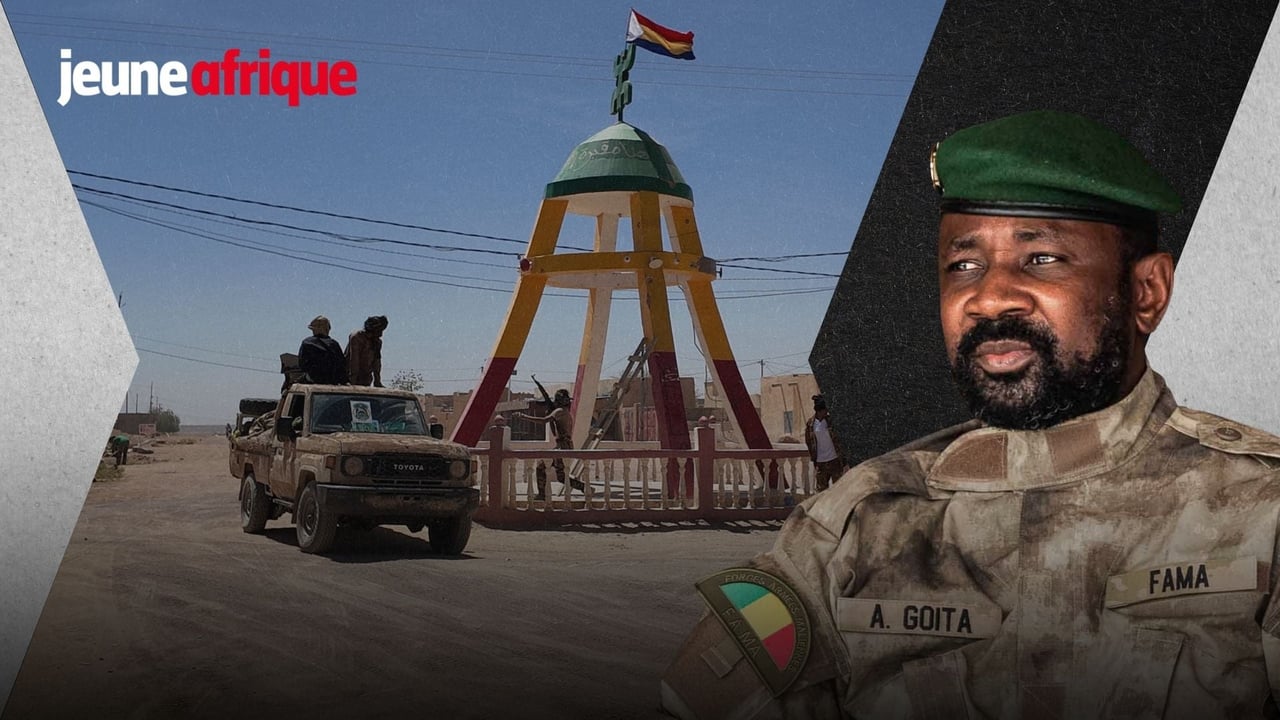
April 25, 2026, marked a turning point for Mali. On that day, coordinated attacks unfolded across multiple cities, leaving a trail of destruction in their wake. Government buildings were targeted, key security personnel were struck down, and the nation’s defenses were pushed to their limits. Among the casualties was the Minister of Defense, whose death sent shockwaves through the country’s leadership and underscored the gravity of the crisis.

a new alliance emerges in the shadow of conflict
The attacks revealed an unsettling reality: jihadist groups and separatist rebels have forged an alliance, one that has been growing bolder with each passing month. This partnership, once hidden in the shadows, is now openly challenging the government’s control over key regions. The fall of Kidal to rebel forces served as a stark reminder of how quickly the tide can turn in this prolonged struggle.
the government’s response: between resilience and uncertainty
Despite the chaos, authorities in Bamako insist that the state remains intact. Officials acknowledge the severity of the situation but emphasize that the crisis has not yet reached a point of irreversible collapse. However, the loss of a high-ranking defense official has raised questions about the government’s capacity to protect its citizens and maintain stability. The coming weeks will be critical in determining whether Mali can regain its footing or whether the cracks in its foundation will widen further.
what lies ahead for Mali
The path forward is fraught with challenges. The government must navigate a complex web of threats, from extremist violence to political fragmentation. Meanwhile, the international community watches closely, aware that the outcome in Mali could have far-reaching consequences for the entire Sahel region. For now, the nation remains suspended in a state of fragile balance, its future hanging in the balance.