
Mali has reached a critical turning point in its efforts to reintegrate returning migrants, with a new injection of 121 million FCFA into 90 socio-economic projects. The announcement marks a significant shift in government strategy, but concerns linger over transparency and long-term impact.
The funding, entirely financed by the Special Investment Budget, targets sectors such as livestock, agriculture, trade, and artisanal crafts. Beneficiaries hail from Bamako and key regions including Gao, Tombouctou, Nioro, Kita, and San. Yet while the initiative aligns with the state’s narrative of empowering diaspora contributions, serious questions persist about execution and oversight.
New Funding Commitment: A Breath of Fresh Air or Window Dressing?
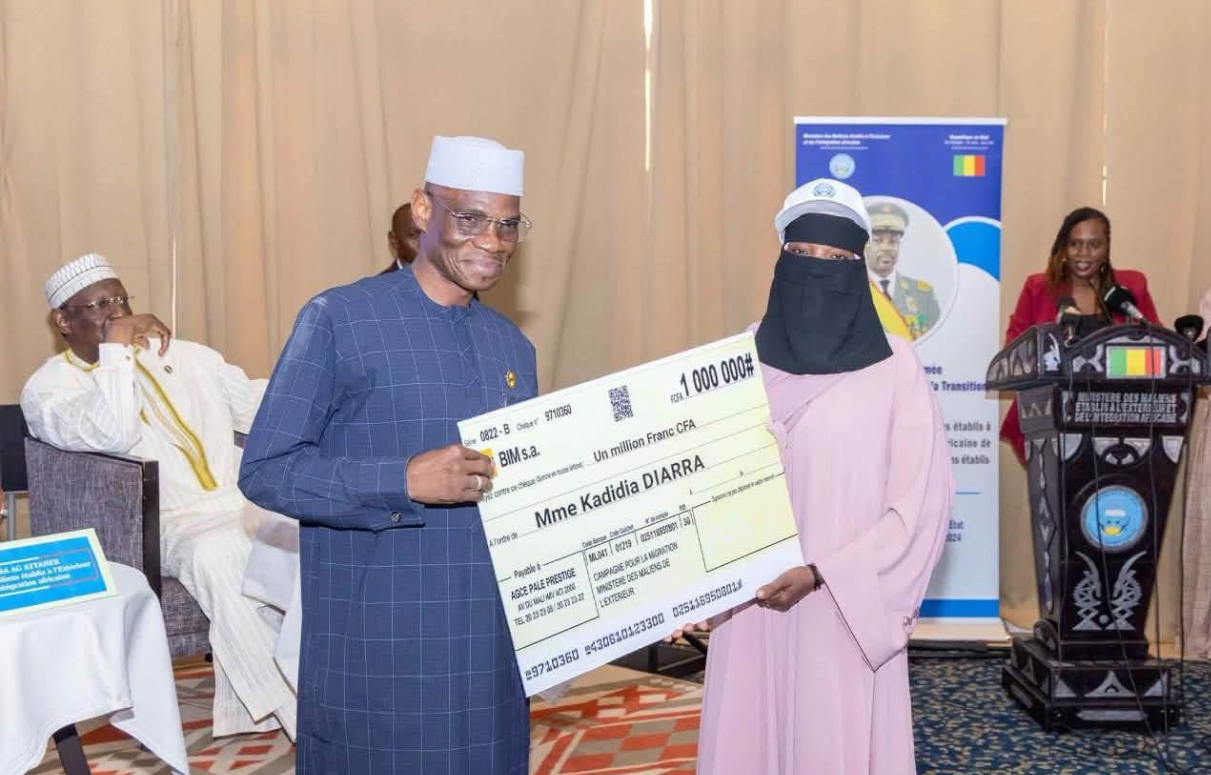
Minister of Malians Abroad and African Integration, Mossa Ag Attaher, oversaw the handover ceremony, emphasizing “rigor,” “exemplary management,” and “territorial monitoring.” The minister also highlighted priority support for migrants forcibly returned from Saudi Arabia—often overlooked by international organizations.
The numbers tell a compelling story: 90 projects selected from 206 applications, averaging 1 to 2 million FCFA per initiative. But beneath the polished announcement, a pattern of opacity emerges. Public selection criteria remain unpublished, leaving room for doubt about whether decisions are merit-based or influenced by less transparent factors.
From Opaque Selection to Unverified Outcomes
No list of beneficiaries, project details, or exact funding allocations has been disclosed. In a nation where public trust in fund management is fragile, this lack of transparency raises red flags. How can stakeholders ensure funds reach intended recipients without dilution or misallocation? And how can the government prove these investments deliver lasting economic stability?
Previous editions of the program—75 projects funded in 2025 and 40 by civil society groups in 2024—similarly lacked detailed reporting. Without post-implementation audits or performance indicators, it’s unclear how many projects remain viable. Are these one-time handouts or sustainable pathways to self-reliance?
Scale and Sustainability: A Drop in the Ocean?
Since 2022, the MPRR-SSA program (largely EU-funded and implemented with the IOM) has supported over 27,800 returnees and 14,000 reintegration projects. Compare this to Mali’s latest initiative: 90 projects and 121 million FCFA. The disparity underscores a harsh reality—the national effort, while well-intentioned, risks being symbolic rather than transformative.
Such a limited scope fuels skepticism. Can a handful of micro-projects truly address the needs of thousands of returnees? The disconnect between rhetoric and scale threatens to undermine credibility, portraying a fragmented effort as a comprehensive solution.
Unanswered Questions and Structural Gaps
The funding’s origin within the Special Investment Budget sparks further concerns. In a strained fiscal environment, are these 121 million FCFA diverting resources from higher-priority needs? The program’s reach—whether limited to recent returnees or including long-term residents—remains unspecified. Worse still, there’s no clarity on how this initiative interfaces (or clashes) with existing IOM and partner-led mechanisms, risking duplication or critical gaps in support.
The program’s noble goal—helping migrants rebuild after often harrowing migration experiences—deserves rigor. Yet without transparency, accountability, and measurable outcomes, it risks remaining a black box: applications received, funds disbursed, and silence on results.
What’s Next for Mali’s Migrant Reintegration?
The ball is in Mali’s court. Transparency must extend beyond photo opportunities to include public beneficiary lists, transparent selection criteria, and independent impact assessments. Only then can the promise of reintegration move beyond rhetoric and into tangible change for returning migrants.
Until then, doubts will persist—and in a field as sensitive as migrant reinsertion, doubt is never neutral.