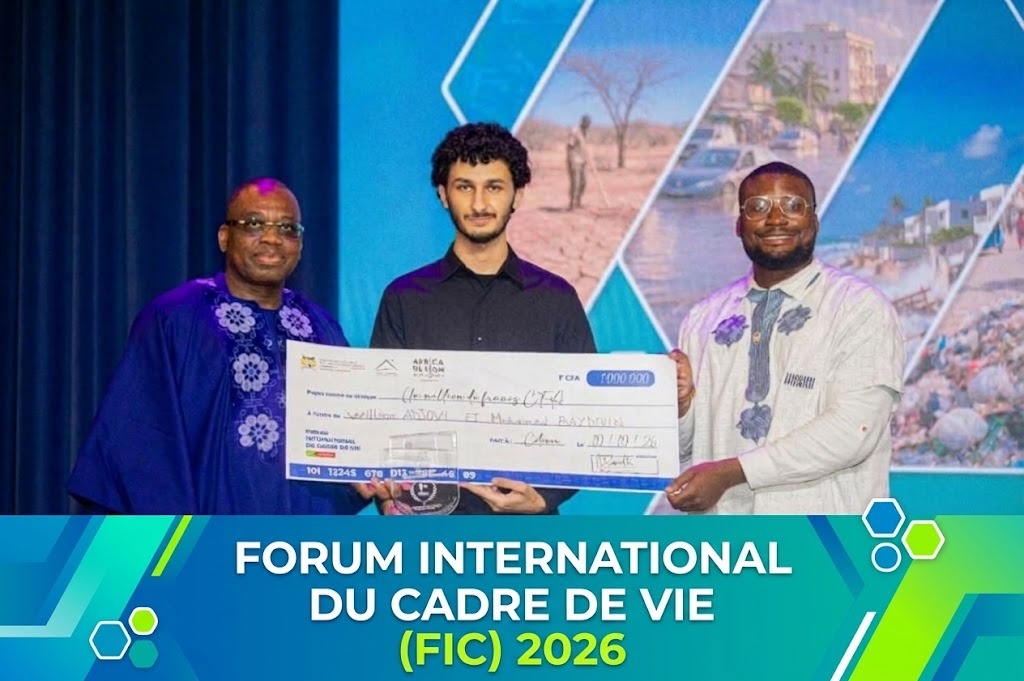

Benin is at a decisive juncture in its urban development. The Forum International du Cadre de Vie (FIC) 2026, held in Cotonou this October, has become the catalyst for a major shift toward sustainable cities that prioritize livability, environmental resilience, and economic opportunity for all citizens.
From vision to action: how FIC 2026 is accelerating change
The fourth edition of FIC 2026 brought together urban planners, policymakers, innovators, and citizens to reimagine the future of Benin’s cities. With a focus on climate-smart urban development, the forum emphasized practical solutions—better housing, cleaner mobility, smarter waste management, and flood prevention—that directly enhance daily life. The message was clear: sustainable cities are not just about green buildings and carbon targets. They’re about creating places where people can thrive today, not someday in the distant future.
One of the standout moments was the hackathon, where young innovators proposed real-world fixes. Among them, a bus stop design project by Willson Edwin Mardochet Adjovi and Mohamed Baydoun stood out for its user-centered approach. It highlighted how everyday infrastructure—something as simple as a bus stop—can become a building block of a more accessible, people-first city.
Building homes that last and work for everyone
Quality housing isn’t just about shelter—it’s about dignity, comfort, and affordability. Benin’s latest urban agenda is shifting toward local material innovation, particularly in construction. Using locally sourced materials like compressed earth blocks or bamboo can reduce costs, support local economies, and create jobs for artisans and builders across the country.
Yet, as officials and experts agree, innovation must be backed by standards. At the close of the forum, Ismaïl Yasso, Director General of Construction and Housing, underscored the need for certification frameworks to ensure that local materials meet safety and durability requirements. Without these, trust—and ultimately adoption—will remain limited. The goal is clear: to make durable, climate-resilient housing accessible without compromising on quality or affordability.
A pathway to economic empowerment
The push for better housing isn’t just a social imperative—it’s a pathway to economic empowerment. By investing in local supply chains and upskilling builders, Benin can nurture a thriving green construction sector. This doesn’t just mean more jobs; it means resilient livelihoods that grow with the city’s needs.
Mobilizing mobility: why better transport is transformative
Long commutes, unreliable transit, and unsafe pedestrian routes drain time, resources, and health from citizens. The FIC 2026 mobility dialogue focused on integrated urban transport systems that prioritize pedestrians, cyclists, and public transit over private vehicles. It’s not just about reducing carbon emissions—it’s about reclaiming public space and returning dignity to daily movement.
Initiatives like the bus stop project aim to improve not only function but also aesthetics and security, making transit not just efficient, but pleasant. The challenge now lies in scaling such ideas beyond pilot projects and embedding them into municipal planning.
Floods, waste, and clean water: the sanitation imperative
In many neighborhoods, the rainy season brings more than just rain. Overflowing drains, accumulated waste, and untreated wastewater create hazards that threaten homes, health, and hope. The FIC 2026 highlighted the need for integrated urban infrastructure—planning that anticipates flooding risks, manages stormwater, and ensures clean water access.
Award-winning project by Nelly Mahouna Gbaguidi and Meryl Agnikpe showcased a community-centered approach to wastewater treatment. By combining local knowledge with modern technology, such solutions can transform unsanitary districts into safe, healthy spaces for families. But success hinges on consistent implementation and maintenance—resources that must be allocated now, not after the next crisis.
Green cities, green jobs: investing in a sustainable future
The transition to climate-smart cities isn’t a cost—it’s an investment. In addition to housing and transport, sectors like recycling, renewable energy, and urban greening offer new avenues for employment and entrepreneurship. Young innovators at the FIC 2026 hackathon demonstrated how digital tools and grassroots ingenuity can accelerate this transition.
But ideas alone won’t build the future. As Ismaïl Yasso emphasized, projects must be investment-ready—with clear feasibility, financial models, and community buy-in. The goal is not just to reduce carbon footprints, but to grow an inclusive green economy where every citizen benefits from the city’s transformation.
From Cotonou to the countryside: embedding change at every level
The FIC 2026 didn’t just end with speeches. It began with action—like the tree-planting ceremony at the public school in Fidjrossè. Small, symbolic moves like this remind us that sustainable cities are built from the ground up. But they only work if nurtured. Without ongoing care, even the best-laid plans wither.
At the forum’s conclusion, Minister Georges Ale called for accountability: specific actions, defined responsibilities, and measurable outcomes. The true test of FIC 2026 isn’t what was discussed—it’s what gets built, maintained, and lived in the months and years ahead.
What citizens can expect next
- Faster access to affordable, durable housing using local, certified materials
- Public transit networks designed for people, not cars
- Cleaner neighborhoods through improved waste and wastewater systems
- New green jobs in construction, maintenance, and recycling
- Reduced flood risks through integrated urban planning
The FIC 2026 wasn’t just another conference. It marked a turning point in Benin’s urban story. Now, the work to turn promises into places begins. And the people of Benin are watching.