
From Rwanda to the global stage: a landmark deal with lasting impact
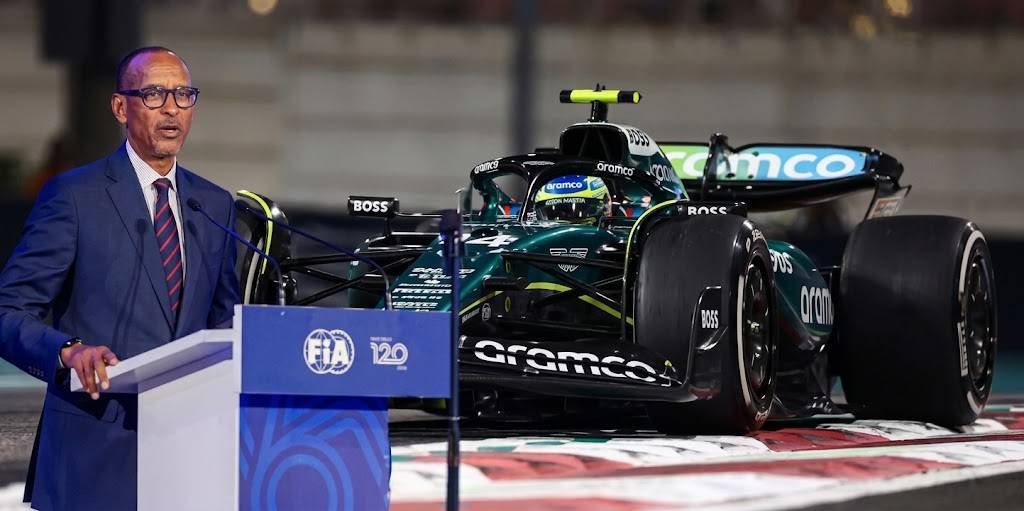
The Formula 1 world is about to write a new chapter in Africa—and Rwanda is leading the charge. In a decisive move that signals a turning point for the sport on the continent, the East African nation has secured a ten-year agreement to host the African Grand Prix on a purpose-built circuit near Bugesera, just outside Kigali. This landmark deal isn’t just about racing—it’s about accelerating Rwanda’s global standing, unlocking economic momentum, and redefining what’s possible in African motorsport.
Bugesera rises: a world-class circuit takes shape in the heart of Rwanda
Set against the undulating hills of Bugesera, about 40 kilometers south of Kigali and in the shadow of the country’s new international airport under construction, the future circuit is already capturing imaginations. Designed by Wurz Design—led by former F1 driver Alex Wurz—and Tilke Engineers and Architects, the track is being engineered to meet the highest FIA standards, ready to welcome the fastest single-seaters on the planet.
The layout will leverage Rwanda’s dramatic topography, blending natural elevation changes with cutting-edge design to create a high-speed challenge for drivers and a visually stunning spectacle for fans. But the vision extends far beyond race day. The facility is being conceived as a year-round hub for motorsport events, major concerts, international conferences, and high-profile business summits—transforming every visit into an economic opportunity rather than a one-off event.
Beyond the podium: how Rwanda is banking on F1 for lasting growth
The Formula 1 agreement isn’t simply a sporting milestone—it’s a strategic investment in Rwanda’s future. With the government positioning itself as a gateway for global events, the arrival of F1 promises to supercharge tourism, attract foreign direct investment, and create thousands of jobs across hospitality, transport, security, and event services. The new airport’s proximity to the circuit will streamline access for teams, sponsors, and thousands of international fans, reinforcing Kigali’s role as a modern, connected hub in Africa.
The timing could not be more strategic. Rwanda has already demonstrated its ability to host world-class events, from the 2025 UCI Road World Championships to major football and basketball competitions. Now, with the F1 deal, the country is doubling down on its Visit Rwanda brand, aiming to convert global visibility into sustainable economic benefits for local businesses and communities.
Officials are also placing emphasis on skills development—training technicians, fostering local engineering talent, and nurturing entrepreneurship in the automotive sector. The goal? To ensure that the F1 legacy translates into meaningful, long-term opportunities for Rwandans, not just fleeting exposure.
Speed, strategy, and sustainability: challenges on the road ahead
While the momentum is undeniable, the road to the first green light is paved with challenges. Construction timelines, infrastructure readiness, and FIA compliance are all critical milestones that must be met before racing can begin. The exact date for the inaugural Grand Prix remains unconfirmed, dependent on the completion of the circuit and supporting facilities.
Yet the stakes are high. With over 100 million Formula 1 fans across Africa—and a growing young audience hungry for motorsport—Rwanda is seizing a rare opportunity to bring the sport closer to home. The challenge now lies in delivering a world-class event that not only dazzles on the track but also delivers tangible benefits to the economy and society. Success could inspire other African nations to follow, turning the Bugesera circuit into a model for the continent’s sporting and economic future.
The human side: building an F1 ecosystem from the ground up
Behind the headlines and blueprints is a community transformation in motion. From vocational training programs for mechanics and hospitality staff to partnerships with local suppliers and startups, the F1 project is sparking a new wave of ambition across Rwanda. For young engineers, aspiring pit crews, and entrepreneurs, the circuit represents more than a race—it’s a chance to gain international exposure, secure high-skill jobs, and build businesses that can compete globally.
As the country prepares to welcome the world, one thing is clear: this is not just a race. It’s a statement. It’s a catalyst. And for Rwanda and African motorsport, it could be the breakthrough moment they’ve been waiting for.