
chinese buses in Senegal boost local jobs when conditions are met
A European parliamentarian argues that local workforce development must be the priority in infrastructure contracts
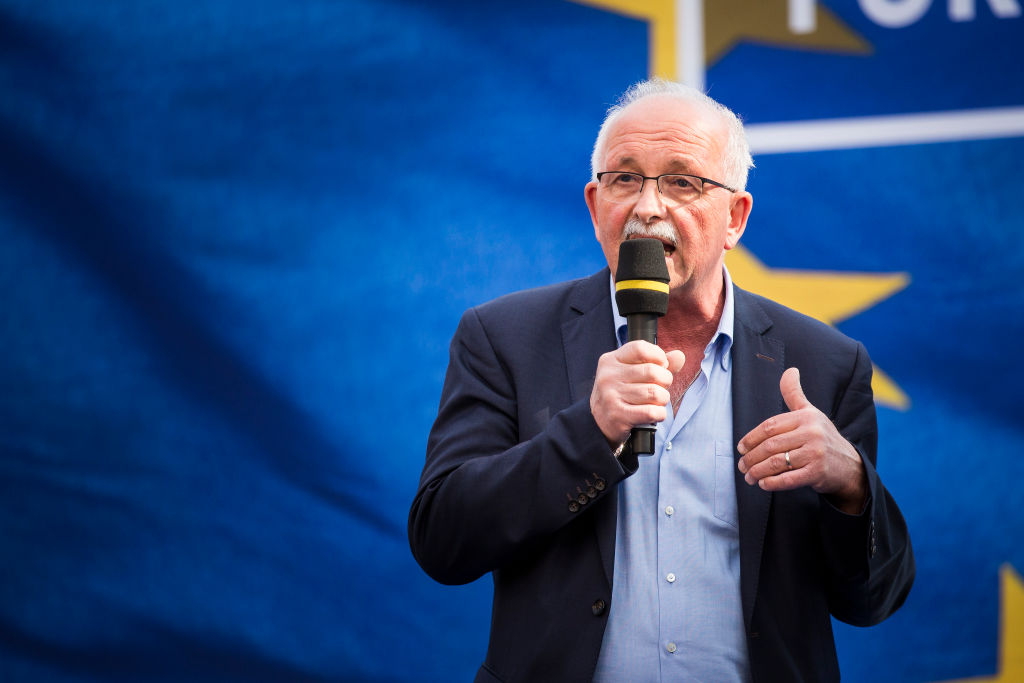
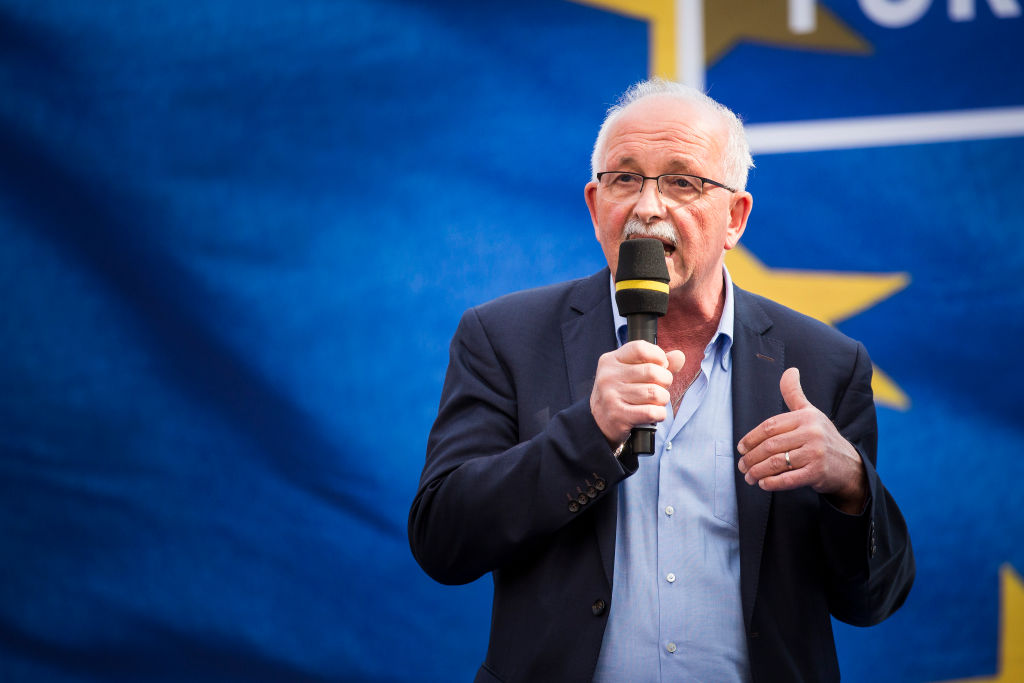
Key European policymakers are taking a pragmatic stance on Senegal’s upcoming bus procurement deal, emphasizing that Chinese investment must translate into tangible benefits for local workers. Udo Bullmann, a prominent socialist MEP from Germany, made this position clear during discussions about a €300 million European Union development fund allocation for Dakar’s public transport upgrades.
The controversy stems from an international tender where a state-linked Chinese company appears set to secure the contract despite previous EU findings of unfair subsidy practices against similar entities. While some European officials have condemned the potential outcome as reckless, Bullmann adopts a more nuanced perspective. His backing of the Chinese bid comes with a critical caveat: “The determining factor is whether African skilled labor is employed and African value is created.”
During a recent Brussels meeting, Bullmann reiterated this stance, stressing that his support depends entirely on the project’s ability to generate high-value employment for Senegalese workers. “I don’t care about the origin of the investment as long as it builds capacity in Africa,” he stated, while acknowledging limited knowledge of Senegal’s specific project details.
The timing of this debate coincides with a recent Senegal-China government delegation visit where both nations agreed to establish a local bus assembly plant in Senegal. This initiative could serve as a model for how foreign investment in infrastructure should operate—prioritizing technology transfer and workforce development over mere cost efficiency.
Bullmann, who chairs the European Parliament’s delegation to South Africa, is currently coordinating the African Days event in Brussels, bringing together African and European policymakers. He advocates for Europe as Africa’s preferred partner, arguing that “if you seek exploitation, turn to China; if you want political repression, turn to the United States; if you want partnership, turn to Europe.”
Contrasting views emerged during a May EU development committee meeting where Jozef Síkela, the EU’s development chief, announced plans to embed “European preference clauses” in future development aid packages—an approach Bullmann firmly rejects. “The real priority must be local production rules that give African products preference,” he asserted, calling for EU-funded tenders to systematically favor African manufacturing solutions.
Barry Andrews, chair of the European Parliament’s Development Committee, previously advised Senegalese authorities to select the bid that best serves their national interests. “Essentially, you’d be asking Senegalese taxpayers to pay twice as much,” Andrews noted, highlighting that the Chinese bid undercuts the sole European competitor, Scania, by more than 50%.



