
Niger battles rising cholera cases amid health crisis
More than 600 cholera patients have been hospitalized in recent weeks across Maradi and Zinder, Niger’s most affected regions.

Health authorities monitoring outbreak
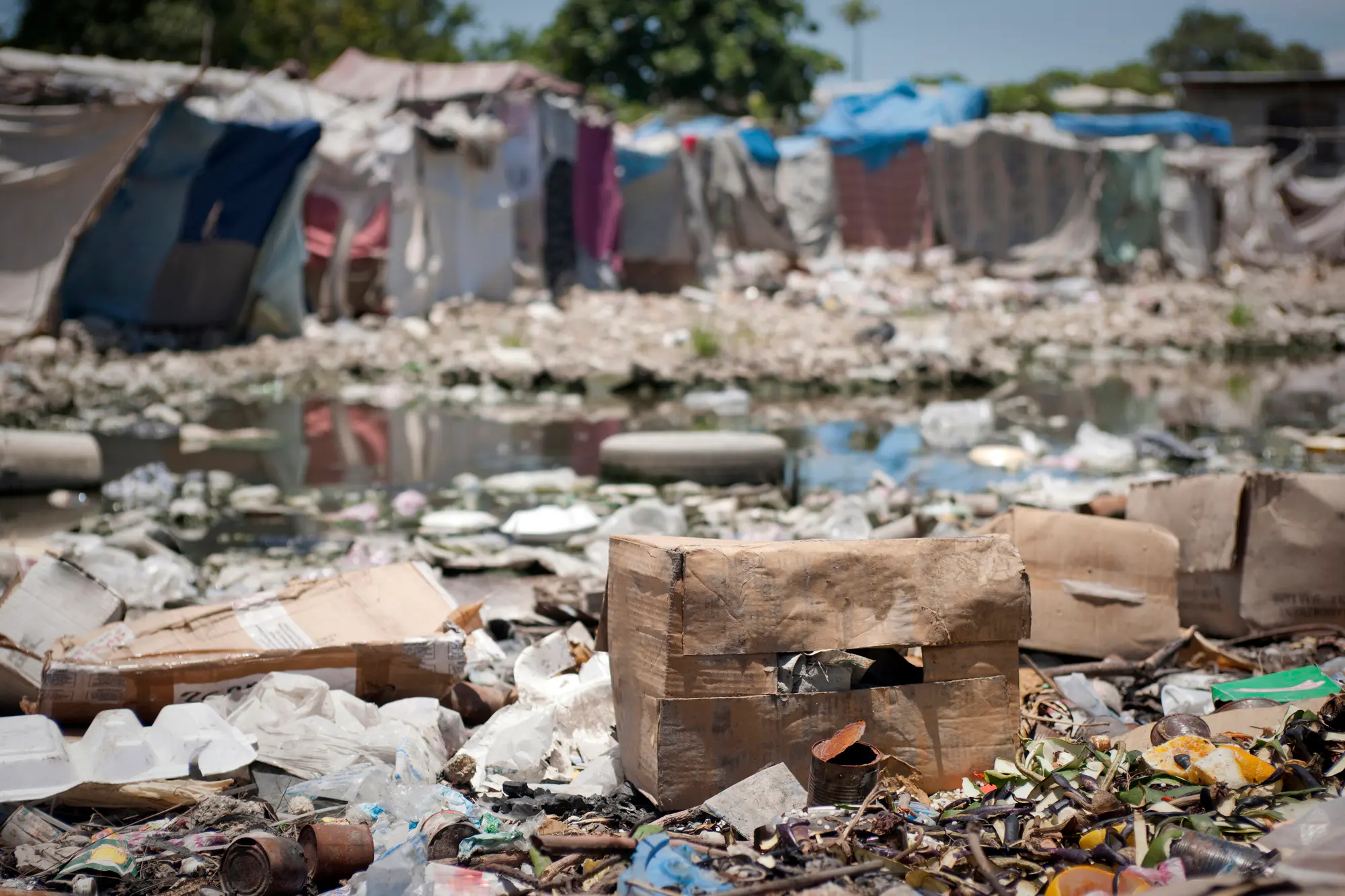
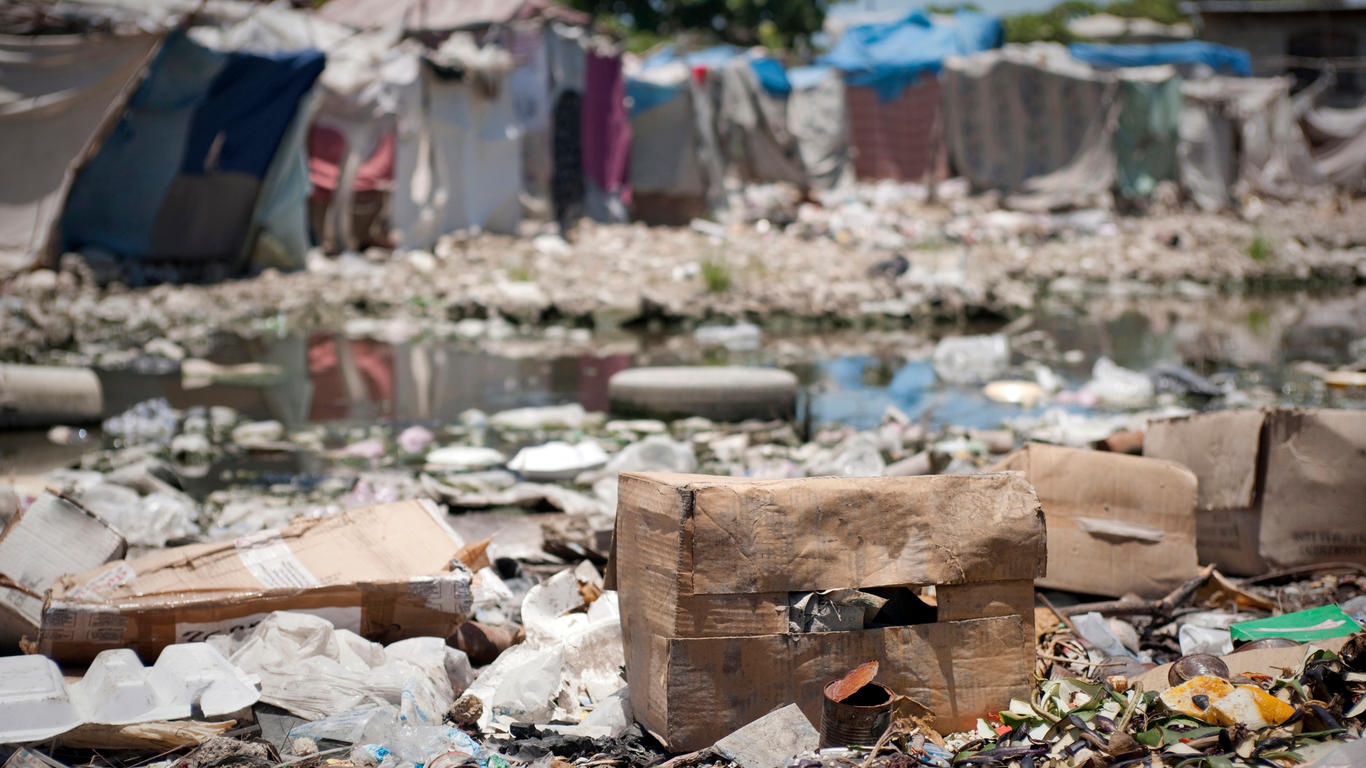
Heavy rainfall along the Niger-Nigeria border has triggered a fresh cholera outbreak in the region. This acute intestinal infection stems from bacteria thriving in contaminated and stagnant water. According to official reports, over 600 cases have been confirmed across affected areas, with 400 recoveries recorded and 156 patients currently undergoing treatment.
The spread of cholera accelerates due to poor hygiene practices, inadequate sanitation facilities, and failing wastewater systems. Contaminated food and water serve as primary transmission routes. Public health experts emphasize the urgent need for improved hygiene measures and community awareness campaigns to curb further infections.
Critical role of awareness campaigns
Since the major 2018 cholera epidemic, Niger has experienced sporadic outbreaks. However, declining immunity among populations has left communities particularly vulnerable this year. Health authorities are conducting targeted education initiatives, promoting free treatment options, and distributing prevention guidelines to high-risk groups.
Long-term solutions required
While emergency response teams have established treatment centers in hotspot regions, including Maradi and Zinder, where at least 19 fatalities have been reported, experts warn that sustainable control demands substantial investment in water infrastructure and sanitation systems. Torrential rains continue to exacerbate contamination risks, making immediate and long-term interventions equally critical.

Related Posts