
« Natural wealth only serves a nation’s sovereignty when it strengthens stability, not fuels instability. » This principle guided the Democratic Republic of Congo’s bold diplomatic stance at the United Nations this week.
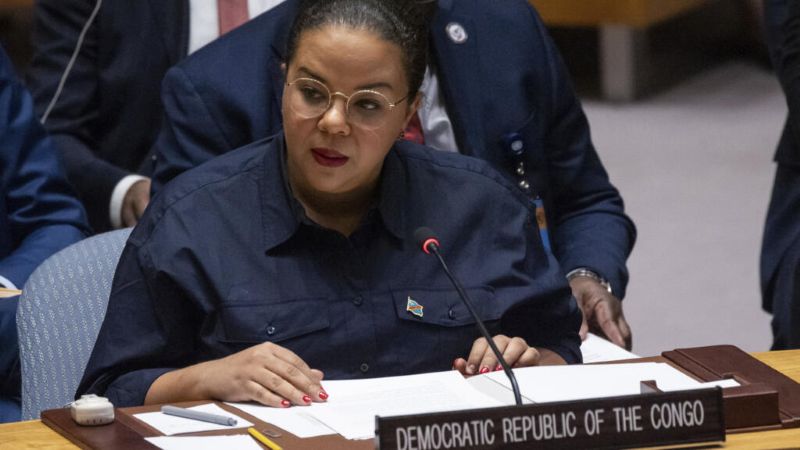
On July 14, 2026, Kinshasa’s top diplomat took center stage at the UN High-Level Meeting on Critical Minerals for the Energy Transition. Minister of State for Foreign Affairs, International Cooperation, and Francophonie, Thérèse Kayikwamba Wagner, delivered a speech that was both a strategic vision and a sharp critique of the global system governing strategic minerals.
From raw exporter to industrial powerhouse: Congo’s bold ambition
The Congolese government is no longer willing to be confined to the role of a passive supplier of raw materials. Instead, it is pushing for a radical transformation: turning the DRC into Africa’s leading hub for the industrial processing of minerals essential to electric batteries, digital technologies, and renewable energy systems.
In her address, Minister Kayikwamba Wagner emphasized that the current global energy transition cannot be deemed ‘fair’ as long as resource-rich nations continue to export unprocessed minerals, allowing other countries to capture the added value. She argued that true sustainability in the energy sector requires investing in local infrastructure, energy, research, and technology, while modernizing artisanal mining practices in the DRC.
« The debate is no longer about where critical minerals come from, but where the value they generate ultimately resides, » she declared, calling for a global governance system that ensures fair distribution of economic benefits along the entire supply chain.
Rwanda in the crosshairs: Congo denounces illicit mineral trade
Beyond economic stakes, Kinshasa placed the issue of critical minerals within the security context of the DRC’s eastern provinces. Referencing findings from UN expert reports, the minister highlighted the case of Rubaya, a key tantalum mining site accounting for nearly 15% of global demand. According to these reports, at least 1,400 tons of coltan were illegally smuggled into Rwanda following the takeover of the area by the M23 rebel group, with direct support from Kigali. This illicit trade reportedly generates approximately $800,000 monthly for the armed movement.
The Congolese diplomat condemned the lack of UN sanctions against Rwanda’s defense forces, despite clear evidence linking the country to the financing of armed groups through the exploitation of natural resources. This omission, she argued, exposes the weaknesses in the international system designed to combat the use of resource revenues in funding conflicts.
Linking natural resources to peace, security, and sustainable development
During its presidency of the UN Security Council, the DRC is advocating for a more coherent international framework that directly ties the governance of natural resources to conflict prevention, peacebuilding, security, and sustainable development. Kinshasa is pushing for greater accountability across the entire supply chain—producers, traders, processors, financial institutions, industries, and consumer countries—to ensure mineral traceability effectively combats fraud, smuggling, and armed group financing, without undermining legitimate artisanal miners.
This diplomatic offensive is reshaping the global conversation on critical minerals. No longer content with merely protecting its resources, the DRC is demanding a fundamental reform of global governance in the energy transition. The message is clear: resource-rich nations must finally benefit from the economic returns of their natural wealth.
By delivering this message at the UN, Congolese diplomacy aims to intensify international pressure on Rwanda over the illicit exploitation of natural resources in eastern DRC. Simultaneously, it seeks to position the issue of strategic minerals at the heart of discussions on international peace, security, and sustainable development.