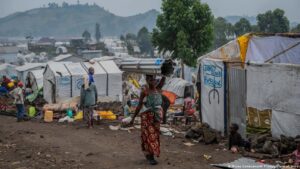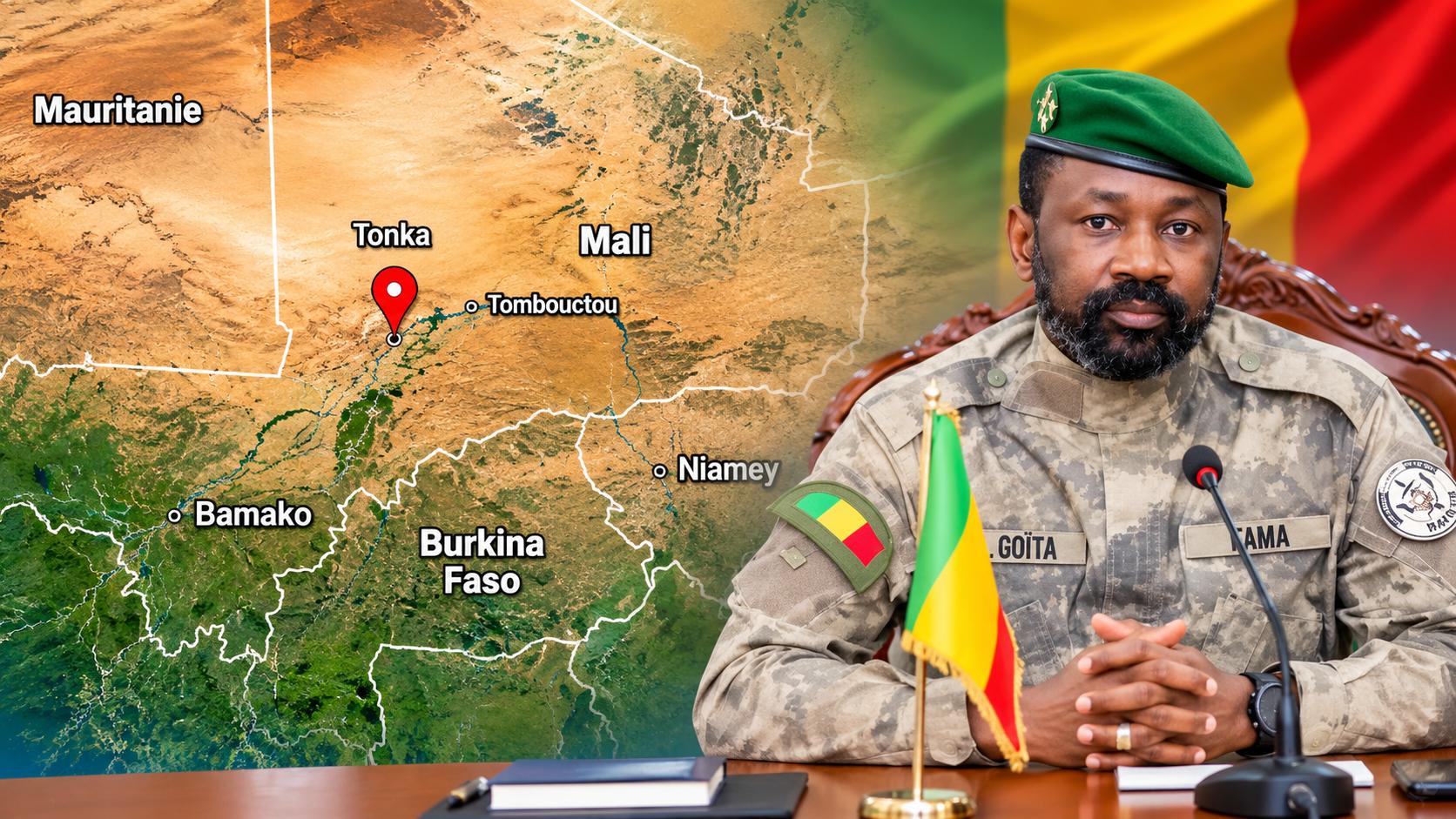

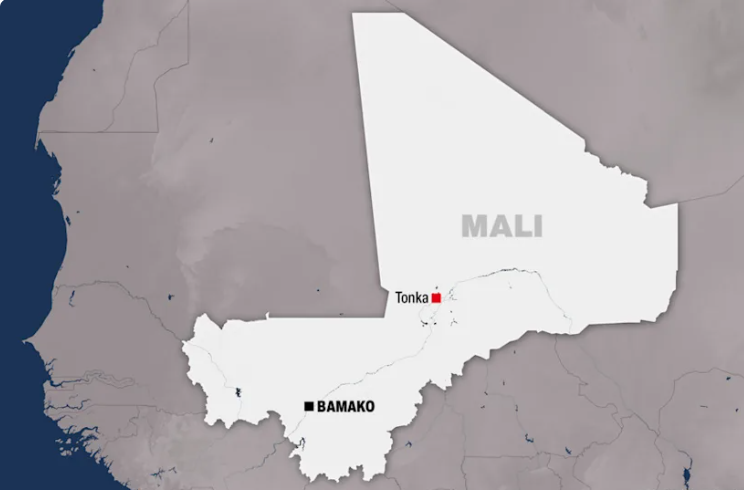
Mali faces another tragic blow as armed assailants, linked to the Jamaat Nusrat al-Islam wal Muslimin (JNIM), launch a fresh attack on a remote Malian community. The assault, which left civilians dead and displaced families, underscores the persistent insecurity gripping several regions of the country despite ongoing military efforts.
The latest violence is a stark reminder of how armed groups continue to exploit gaps in security coverage, striking areas far from urban centers. This pattern of attacks raises serious questions about the effectiveness of current security measures in protecting Mali’s most vulnerable populations.
Beyond battlefield clashes, the threat has expanded to target civilians and public figures perceived as opponents to extremist ideologies. The targeted killing of Malian blogger and influencer Mariam Cissé sent shockwaves across the nation. Known for her vocal support of the Malian Armed Forces on social media, she was reportedly abducted and executed by jihadist fighters. The assassination not only represents a grave loss but also highlights the deliberate use of terror by armed groups to silence dissent and instill fear.
military efforts alone fall short in restoring stability
Since seizing power, Mali’s transitional government has prioritized military capacity-building, investing in advanced weaponry, strengthening security partnerships, and intensifying ground operations. While these measures demonstrate a commitment to regaining control, the recurring attacks and targeted killings reveal the limitations of a purely military approach.
Security experts argue that addressing the root causes of instability requires more than firepower. Structural issues such as underfunded education systems, widespread youth unemployment, and economic marginalization play a critical role in fueling recruitment by extremist groups. Strengthening local governance, investing in youth education, and fostering economic opportunities are increasingly seen as essential components of a sustainable counterterrorism strategy.
a dual challenge: security and long-term development
The Malian government now faces a dual imperative: sustaining military operations while implementing policies that address the socio-economic grievances driving instability. Analysts emphasize that sustainable peace cannot be achieved through force alone. Without inclusive development, equitable access to education, and meaningful economic participation, vulnerable communities remain susceptible to radicalization.
The recent wave of violence—from large-scale attacks to targeted assassinations—reveals a disturbing trend: extremist groups are not only waging war but also systematically eliminating voices of opposition. For analysts, the future stability of Mali will depend not just on the resilience of its armed forces but also on the state’s ability to restore public trust, rebuild institutions, and provide young people with viable alternatives rooted in opportunity and participation.
As the crisis persists, the need for a balanced strategy that combines security with socio-economic development has never been more urgent. Only through such an integrated approach can Mali hope to break the cycle of violence and restore lasting peace to its people.