
Kinshasa’s streets remained unusually subdued on Wednesday afternoon as businesses cautiously reopened following a nationwide stay-at-home protest called by opposition groups. The demonstration, organized under the banner of the Article 64 Coalition (C64), aimed to pressure President Félix Tshisekedi into abandoning his constitutional reform agenda. While opposition leaders claim widespread public participation, government officials insist the initiative had minimal impact and vow to press forward with their plans.
Capital frozen under tight security
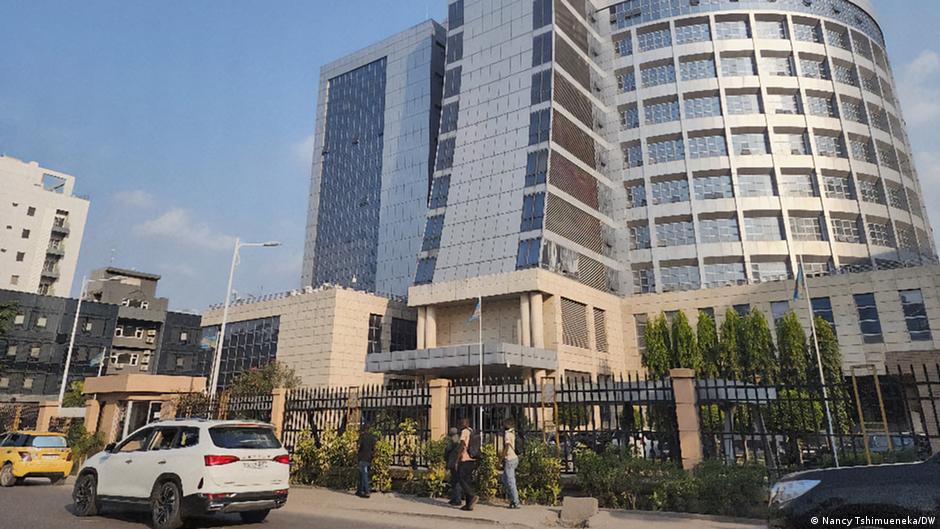
Across multiple districts in the Democratic Republic of the Congo’s capital, residents largely heeded the opposition’s call to stay indoors. The combination of heightened security presence and fears of potential unrest transformed Kinshasa’s usual bustling thoroughfares into near-ghostly corridors.
A local resident shared their observations: “I haven’t seen students on the streets. There’s no traffic. Schools are closed. We don’t want the Constitution changed. If we didn’t resist, we’d have to go to work. The people refuse this reform.”
Another resident described the tense atmosphere: “It’s difficult here. Soldiers and police are everywhere, dispersing crowds. No one can move freely—no cars, no motorbikes. The shops are shut. The situation is dire.”
Opposition claims massive turnout
Opposition figures declared the protest a resounding success, asserting that nearly all Kinois complied with their directive. Prince Epenge, spokesperson for the Lamuka coalition, framed the demonstration as an unmistakable rejection of the president’s leadership.
“The people of Kinshasa responded at a rate of 99.9%. By staying home, they sent a clear message to Félix Tshisekedi, rejecting his authoritarian attempt to alter the Constitution to cling to power. It’s time he heeds the people’s verdict,” Epenge warned.
Opposition leaders announced plans for escalated actions to thwart the constitutional changes, signaling prolonged political confrontation ahead.
Government dismisses protest impact
The ruling party dismissed claims of significant public engagement, with officials insisting that daily life in Kinshasa continued as normal. Christian Lumu Lukusa, Vice President of the Union for Democracy and Social Progress (UDPS) Youth League, attributed reports of a shutdown to opposition-instigated fearmongering.
“Despite attempts to incite violence, the people didn’t follow the opposition’s orders. Kinshasa is fully operational,” Lukusa stated, adding that the government remains steadfast in pursuing constitutional reform.
“The reform isn’t just a preference—it’s a national necessity. It modernizes our institutions and aligns with the public’s will,” he emphasized.
Referendum looms amid escalating tensions
Lukusa confirmed that the proposed amendments would proceed to a national referendum, following Parliament’s approval of the referendum bill on May 27. The opposition, however, has condemned the move as unconstitutional, setting the stage for further clashes between the two camps in the coming weeks.