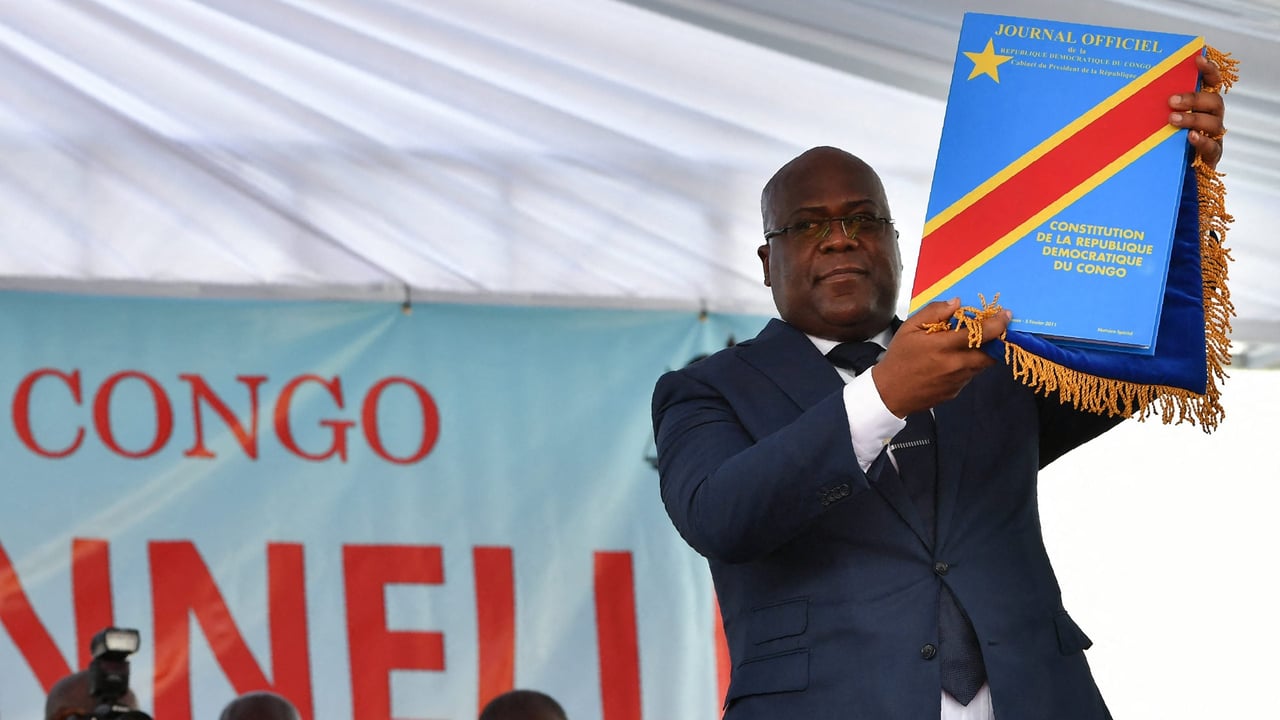

Kinshasa has come to a virtual standstill as opposition forces mobilize to challenge President Félix Tshisekedi’s leadership. Protesters have flooded the streets, demanding political reforms and a shift in governance that reflects their aspirations. The capital’s usual rhythm has been disrupted, with businesses shuttering early and public transportation grinding to a halt.
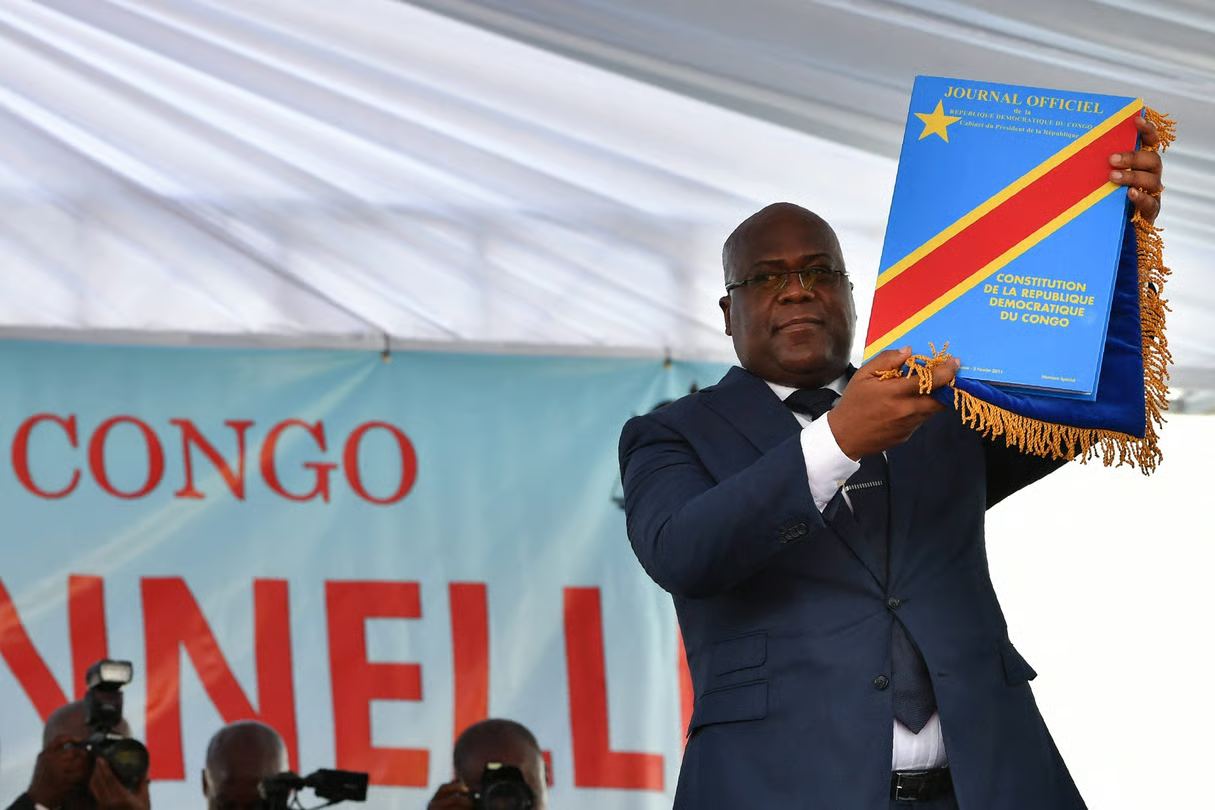
The demonstrations, which have gained significant traction across the city, underscore deep-seated frustrations with the current administration. Opposition leaders, including prominent figures like Moïse Katumbi, Matata Ponyo Mapon, and Martin Fayulu, have rallied their supporters, amplifying calls for change. The unrest has escalated tensions, leaving residents and authorities on edge.
What’s driving the protests?
The opposition’s grievances stem from a perceived erosion of democratic values and a lack of accountability in government. Citizens are voicing concerns over economic hardship, corruption, and policies they argue have failed to deliver tangible benefits. These protests are not just about dissatisfaction—they represent a collective push for a new direction.
Key demands from the opposition
- Immediate electoral reforms to ensure transparency and fairness in future elections.
- Stronger anti-corruption measures to tackle graft at all levels of government.
- Economic policies that prioritize job creation and reduce inequality.
- Respect for constitutional limits on presidential terms to prevent power consolidation.
Impact on daily life in Kinshasa
The protests have paralyzed the city, with schools closing, markets operating at reduced capacity, and public services disrupted. Transportation networks, including buses and taxis, have suspended operations, leaving commuters stranded. The economic fallout is already being felt, with small businesses bearing the brunt of the slowdown.
Residents describe a climate of uncertainty, where the future of the country hangs in the balance. While some remain hopeful for meaningful change, others fear prolonged instability could further destabilize the region.
Government response
Efforts to quell the unrest have included heightened security measures and public statements urging calm. However, the opposition remains steadfast, rejecting any dialogue that doesn’t address their core demands. The standoff shows no signs of easing, with both sides digging in their heels.
As Kinshasa braces for what could be a prolonged standoff, the question remains: Will the protests force a reckoning with the status quo, or will the government double down on maintaining control?