
Éducation : la Côte d’Ivoire prépare une politique linguistique pour valoriser les langues nationales
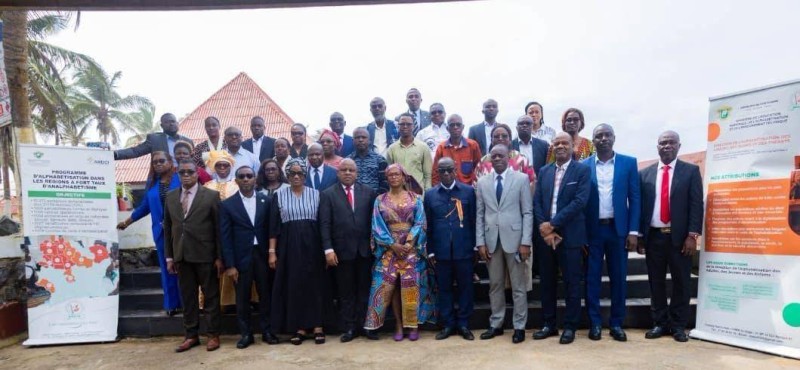
Côte d’Ivoire has embarked on a significant new phase, aiming to elevate its national languages within the country’s educational framework. From July 10 to 12, 2026, a crucial workshop convened in Grand-Bassam. This gathering served to present findings from extensive field research and to pre-validate the ambitious draft for an Education Linguistic Policy. The proceedings were overseen by Minister N’Guessan KOFFI, who heads the Ministry of National Education, Literacy, and Technical Education.
This pivotal meeting brought together key figures from the education sector, leading experts, and various technical and financial partners. Their collective objective was clear: to equip Côte d’Ivoire with a robust reference framework for the enhanced integration of national languages into learning processes, thereby contributing significantly to improving the overall quality of education.
During the opening remarks, MAH Louhan Mamadou, Director of Adult Literacy and Youth Education (DAAJE), extended his gratitude to Minister N’Guessan KOFFI for his unwavering commitment to this vital project. He lauded the emphasis placed on promoting national languages, recognizing them as a fundamental engine for national development.
“Côte d’Ivoire boasts a remarkable linguistic diversity, a cultural heritage that must be preserved to, among other things, elevate the quality of education. It is within this dynamic that the development of the Education Linguistic Policy is rooted,” he declared, underscoring the imperative of safeguarding this rich legacy while harnessing it for educational advancement.
Representing the minister, Inspector General DIOMANDÉ Mabintou épouse CHERIF, who also serves as Secretary General of the General Inspectorate, conveyed the government’s appreciation to the technical and financial partners for their consistent dedication to strengthening the Ivorian education system.
She highlighted the formidable challenges confronting education systems amidst profound global transformations. According to her, improving the quality of learning, narrowing disparities, fostering inclusion, and preparing young people for evolving economic, social, technological, and cultural landscapes all necessitate educational policies firmly grounded in national realities.
“Language is precisely one of these precious resources,” she asserted, emphasizing that incorporating national languages is a decisive factor in making educational content more accessible and more relevant to local contexts.
The conclusions anticipated from this workshop carry immense strategic importance. They are expected to finalize a comprehensive linguistic policy document designed to guide the use and adoption of languages throughout the Ivorian educational system. Ultimately, this initiative seeks to transform national languages into a powerful catalyst for inclusion, academic achievement, and the preservation of cultural heritage, all while bolstering the effectiveness of learning for future generations.