Côte d’Ivoire and Ghana strengthen partnership for sustainable cocoa
Côte d’Ivoire and Ghana strengthen partnership for sustainable cocoa
The presidents of Côte d’Ivoire and Ghana reaffirm their commitment to building a sustainable cocoa economy amid global and climate challenges.
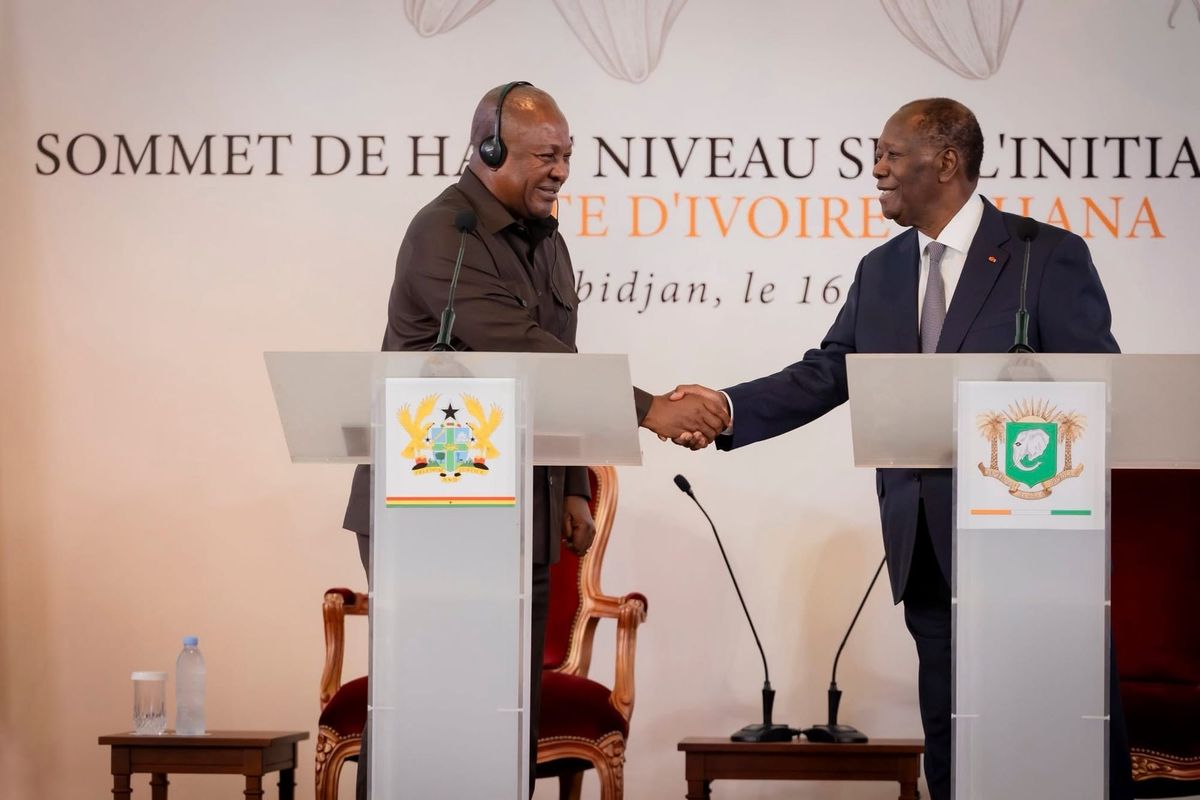
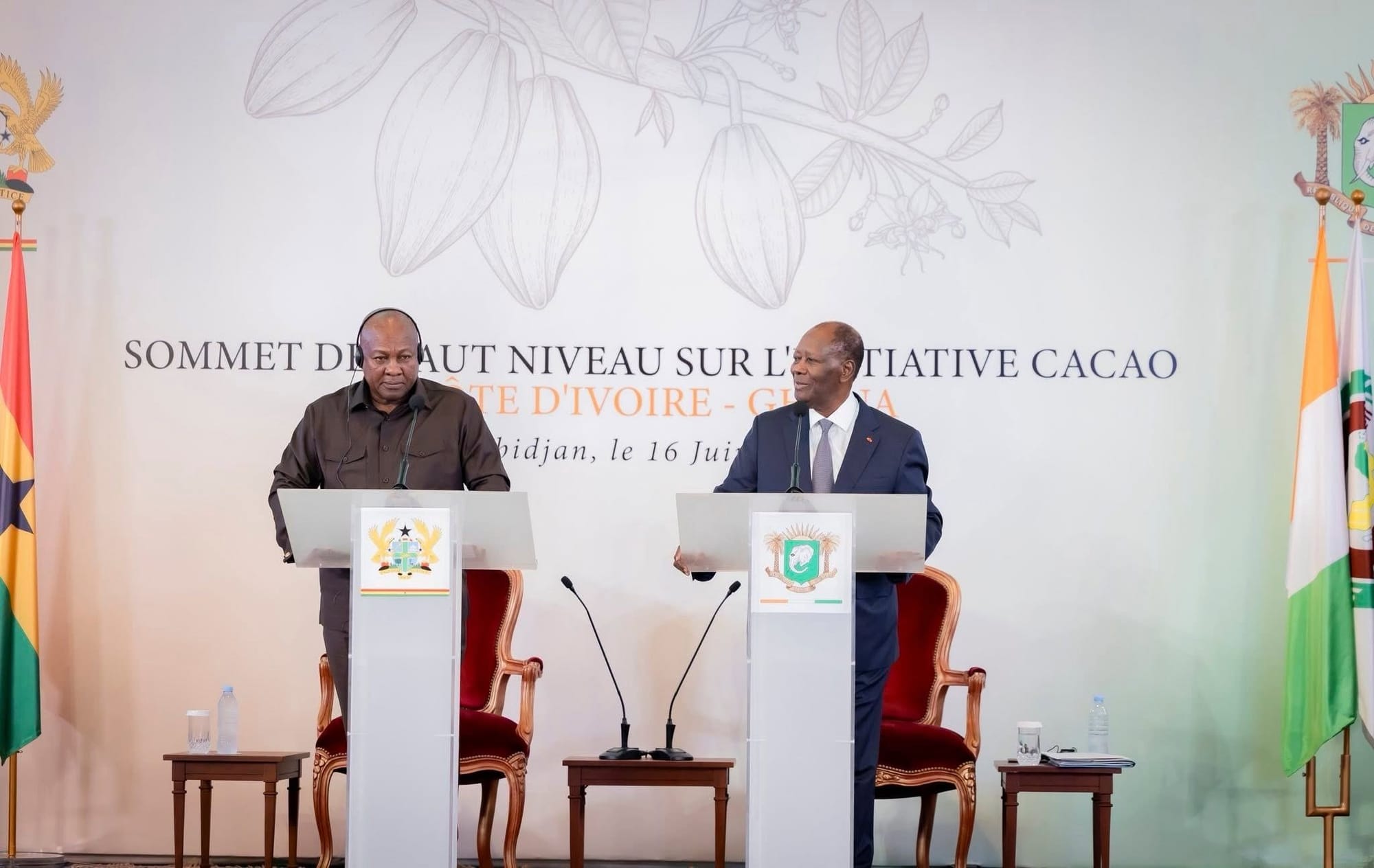
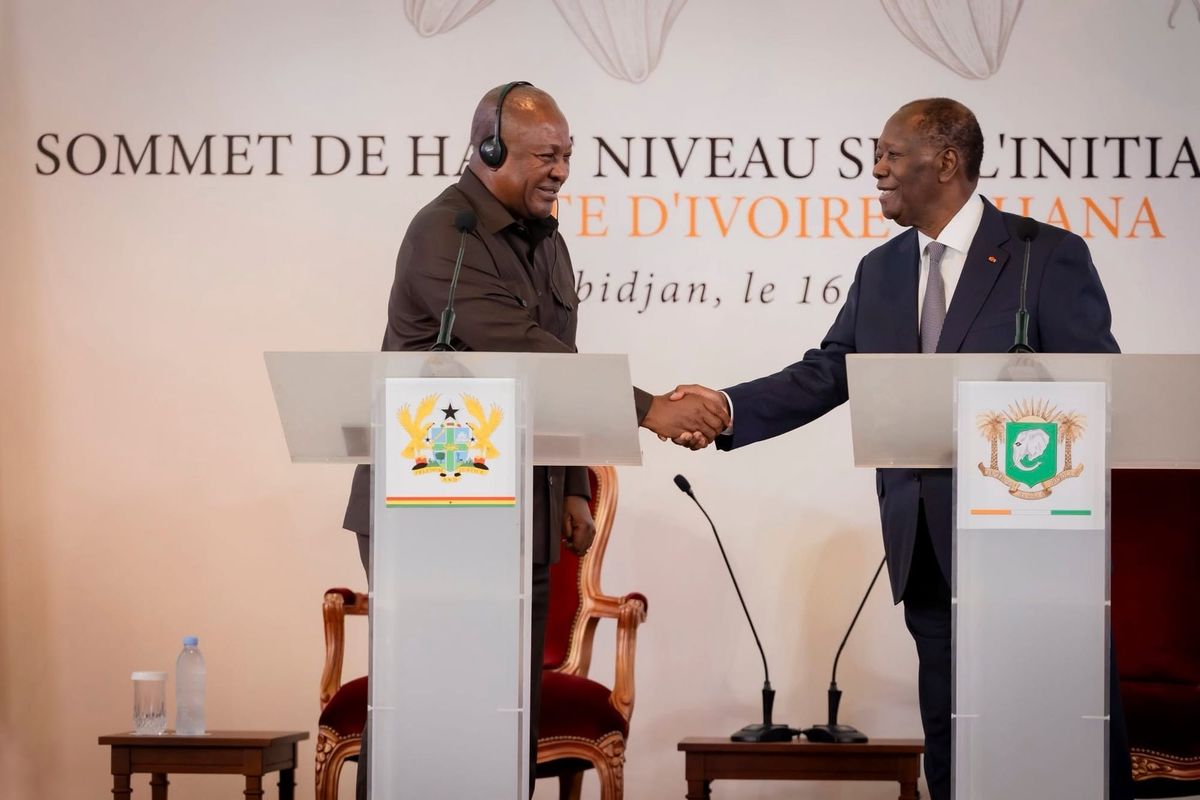
During the high-level summit on the Côte d’Ivoire-Ghana “Cocoa Initiative” held on 16 June 2026, Ivorian President Alassane Ouattara and his Ghanaian counterpart John Dramani Mahama reiterated their joint resolve to foster a sustainable cocoa economy.
“Together with my brother, President John Dramani Mahama, we reaffirm today our determination to continue building a fair, prosperous, and sustainable cocoa economy for Côte d’Ivoire, Ghana, and Africa,” said President Ouattara.
For the Ivorian leader, the future of the cocoa sector represents a critical issue of economic sovereignty, social stability, and shared prosperity for both nations. Cocoa sustains millions of people in rural areas, significantly contributing to household incomes, job creation, and the mobilisation of resources needed to fund development policies.
Ouattara welcomed the significant gains achieved through the Côte d’Ivoire-Ghana Cocoa Initiative but cautioned against overlooking ongoing challenges, including global price volatility, climate change impacts, and new international regulatory demands for sustainability and traceability. He called for gradually building an African coalition of cocoa-producing countries capable of representing the continent’s voice in global cocoa governance.
For his part, the Ghanaian president stressed the need to continue investing greater efforts and funds into the sector to enable its growth.
John Dramani Mahama expressed hope that Côte d’Ivoire and Ghana would further strengthen institutional synergies to enhance bilateral relations, which would foster development and resilience in the cocoa sector. “Our goal is to provide farmers with all the necessary tools to continue producing cocoa beans,” he stated.
It is worth noting that the two countries together account for more than 60% of global cocoa production, while the African continent supplies nearly 80%.