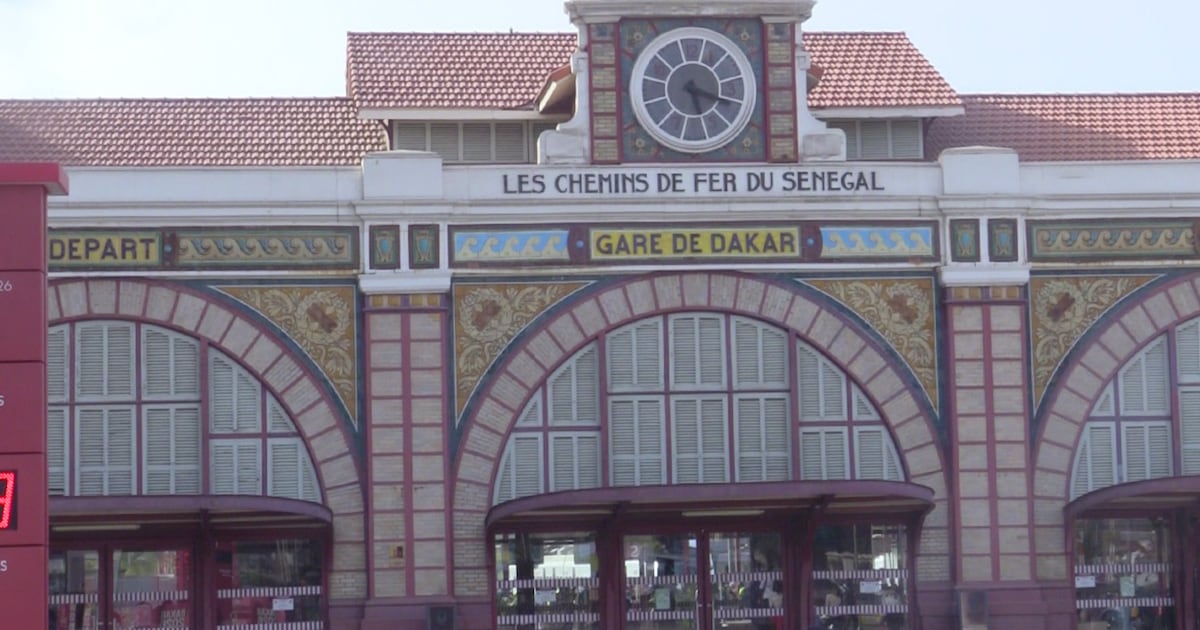

With the introduction of the Train Express Régional (TER), these landmarks underwent renovations—but their historic essence remains untouched. A deliberate choice to protect and showcase a heritage now officially recognized and celebrated.
the legacy of Dakar’s 1914 railway hub
Built in 1914, Dakar’s central station was for generations the heartbeat of the Dakar-Niger railway network. Long before Senegal’s independence, it stood as a symbol of economic growth and trade across French West Africa. Rufisque’s station shared a similar fate, serving as a vital link in the groundnut trade, connecting the port to inland regions.
After years of neglect and a shift from rail to road transport, both stations have been revitalized thanks to the TER project launched in 2019.
more than stations: living museums of time
Today, their walls still echo with history, captivating locals, travelers, and tourists alike. Many see them not just as transit points, but as priceless legacies to pass down to future generations.
Amadou Diallo, a long-time resident of Dakar, emphasizes the importance of preserving their original architecture. «Keeping the historic design of Dakar’s station isn’t just about aesthetics—it’s about safeguarding collective memory. The UNESCO has already recognized these pre-independence structures, including both stations, as heritage sites. Their vintage appearance isn’t accidental; it’s intentional, and it’s crucial for younger generations to understand their origins.»
a blend of colonial charm and modern function
Regular visitor Moustapha Fall agrees, praising the stations’ architectural beauty as a draw in itself. «The design reflects the colonial era, with thoughtful renovations that preserve the original style. It offers a glimpse into the past—how things were built and how people lived. The station is stunning, and many visit just to photograph its grandeur.»
Recognized as historic monuments in Senegal, the stations now represent a seamless fusion of history and modernity. Rufisque’s Old Town has been on UNESCO’s tentative list since 2005, underscoring its global significance as both an urban and architectural treasure.
For traveler Victor Hugo Manga, their preservation strengthens the connection between past and present amid rapid modernization. «Every day, residents and visitors step through these halls and encounter a living piece of history. With the TER now operational, it’s even more vital to retain this heritage. It helps children and students visualize how their grandparents lived and appreciate how far we’ve come.»
Together, Dakar and Rufisque’s stations stand as enduring symbols—more than transit points, they are silent custodians of a shared past that Senegal is determined to preserve.