
Niger’s Dosso region struck by coordinated terror attacks
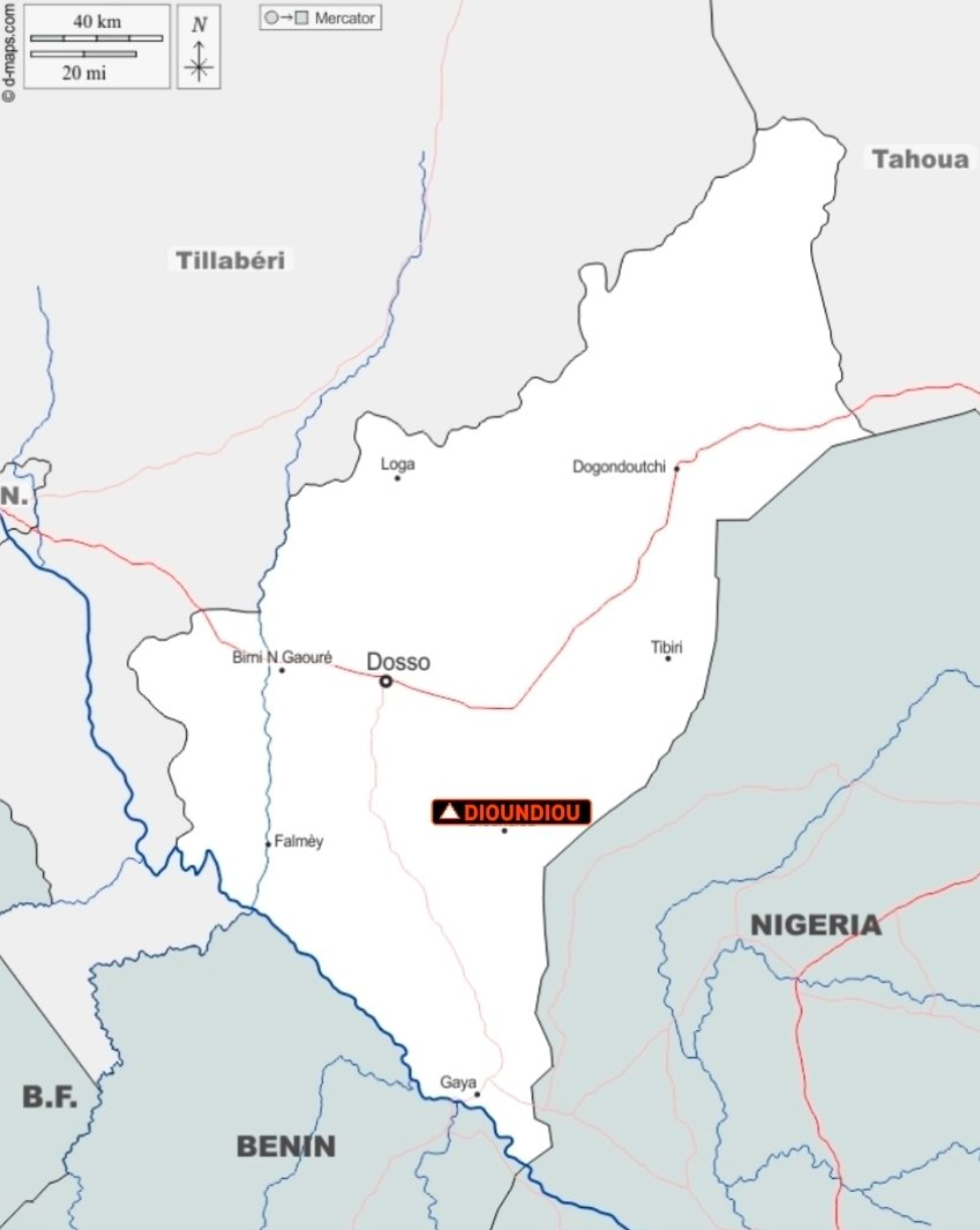
Two villages in the Dioundou area have been devastated by brutal assaults within a single week, leaving a trail of destruction and despair. Libo I and Libo II, located in the Dosso region of Niger, became the latest targets of suspected members of the ISSP Lakurawa group—a faction linked to the Islamic State operating in the Sahel.
First strike leaves six dead
In the early hours of May 25, 2026, armed assailants launched a violent night raid on Libo I and Libo II. The attack resulted in the deaths of six civilians, including women and children, as gunfire erupted through the sleeping villages. Survivors described the scene as one of sheer terror, with attackers moving systematically through homes under the cover of darkness.
Second assault completes destruction
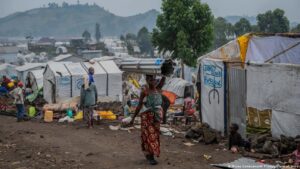
Just days later, on May 28, the same group returned—this time with a calculated intent to erase all signs of life. Homes were set ablaze, granaries reduced to ashes, and livestock stolen, leaving hundreds without food or income. The dual onslaught has left the communities shattered, with many displaced and struggling to survive.
Terror group ISSP Lakurawa expands its reign of terror
Security analysts confirm that the ISSP Lakurawa—a branch of the Islamic State in the Sahel Province—has increasingly targeted remote regions of Niger. Known for their brutal tactics, the group has escalated operations along the country’s borders, exploiting weak state presence and porous frontiers.
Their signature includes nighttime ambushes, mass executions, systematic looting, and the destruction of essential infrastructure. For residents of Dioundou, once considered relatively safe compared to the volatile “three borders” zone, these attacks represent a tragic shift in the security crisis.
Military regime fails to protect civilians
The latest violence underscores the National Council for the Safeguard of the Homeland (CNSP)’s inability to fulfill its core pledge: restoring peace and security nationwide. Since the 2023 coup, the situation has worsened, with rural populations bearing the brunt of the crisis.
Despite a strategic shift away from Western allies toward new partnerships—including Russian support—the promised military reinforcements and joint patrols have failed to shield vulnerable villages. The failure to protect Libo I and Libo II highlights the widening gap between government claims and ground reality.
Security collapse spreads beyond rural areas
The attacks on Dioundou are part of a dangerous trend: armed groups are no longer confined to remote villages but are now targeting critical infrastructure. Recent assaults on major airports and key logistics hubs—once considered secure—reveal the depth of the crisis.
If even fortified zones like airports are vulnerable, how can isolated border villages expect protection? The expanding reach of these groups signals a growing tactical advantage, leaving communities trapped between terror and state failure.
Time for decisive action
The villages of Libo I and Libo II now stand as symbols of a nation in distress. With lives lost, homes destroyed, and livelihoods wiped out, the urgency for change cannot be ignored. The CNSP’s nationalist rhetoric rings hollow in the face of such devastation.
Without a fundamental reevaluation of military strategy and a renewed commitment to civilian safety, Niger faces the grim prospect of further territorial fragmentation. The time for action is now—before more communities fall victim to the scourge of terror.