
DRC opposition unites in citywide strike against third term bid
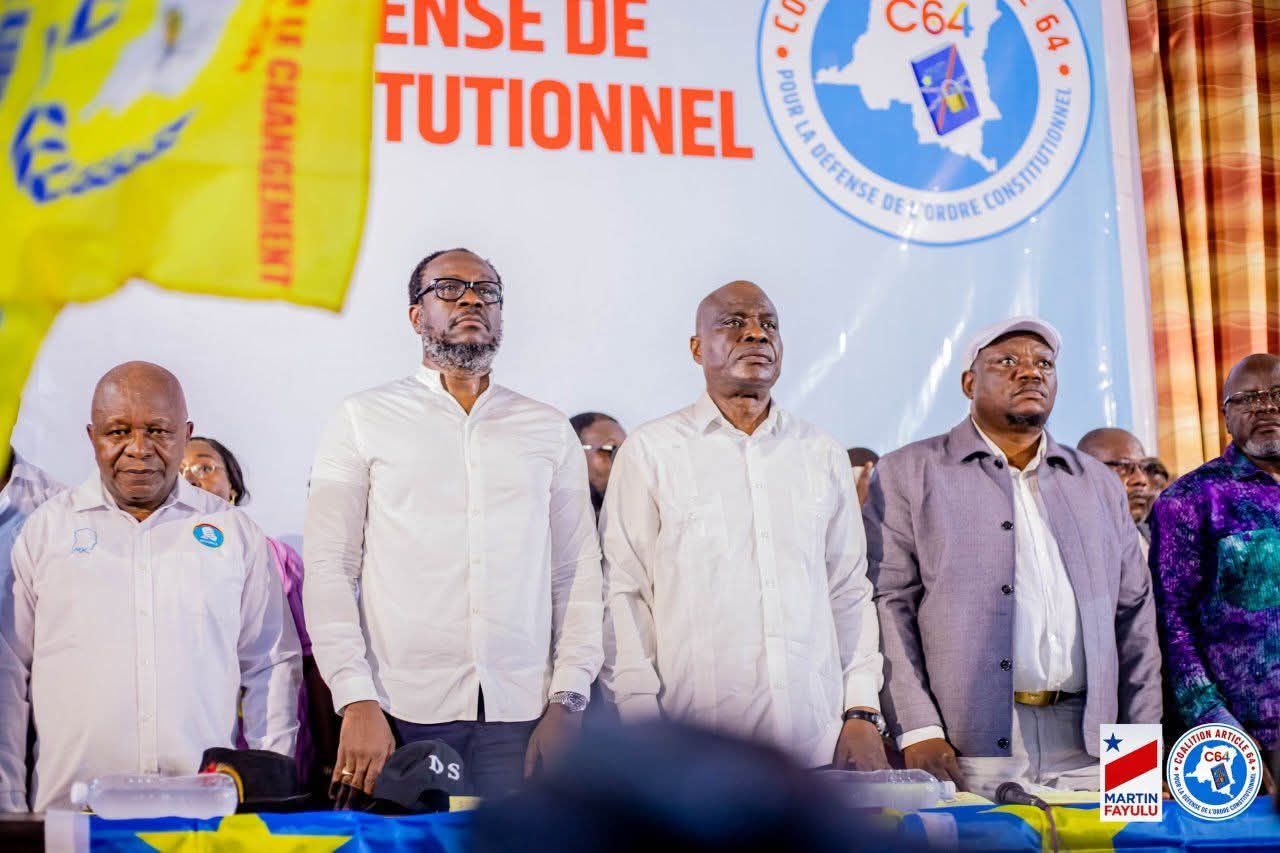
As the constitutional revision process gains momentum, influential voices are raising alarms about a potential power grab. On June 3, political opponents and civil society leaders, organized under the banner of the C64 coalition, called for a nationwide “city dead” strike to protest President Félix Tshisekédi’s push for a third term. The response was overwhelming: Kinshasa, usually bustling with activity, came to a virtual standstill as businesses shuttered their doors in solidarity with the protest.
Constitutional reform in DRC hinges on power dynamics
The opposition, emboldened by the strike’s success, is expected to escalate mobilizations until President Tshisekédi abandons his third-term ambitions. Yet all signs suggest this will not be enough to sway the leader, who has shown no intention of stepping down after two constitutional terms. His strategy to bypass constitutional limits through a referendum mirrors tactics used elsewhere in Africa, where leaders often engineer electoral outcomes to secure their agendas. The message is clear: Félix Tshisekédi, confident in his position, will not back down. To counter opposition momentum, pro-government forces are mobilizing their own base, with religious leaders scheduled to hold a pro-reform rally on June 5. The fate of the constitutional revision now rests on which side can command greater influence on the ground. If President Tshisekédi’s camp prevails, the changes will proceed; if the opposition mobilizes effectively, the proposal may collapse entirely. Such is the political calculus in Africa, where leaders repeat past mistakes yet expect different results.
From opposition to power: Tshisekédi’s shifting priorities
Having risen to power amid contested circumstances, President Tshisekédi now faces criticism for prioritizing political ambition over pressing national crises. While armed groups control swathes of eastern DRC, and Ebola continues to ravage communities, the president’s focus on constitutional reform appears misplaced. Civil society leaders had previously urged urgent, inclusive dialogue through their Social Pact, warning that delays risk deepening instability. Months later, there has been little progress toward such a consensus. Is Tshisekédi overestimating his political capital, or does he genuinely believe constitutional changes will resolve DRC’s challenges? Whatever the case, history suggests African leaders often repeat the same errors until their own missteps force a reckoning.