
The fateful events of September 26, 2022, in the northern Burkinabè village of Gaskindé continue to cast a long shadow over the country’s political and military landscape. On that day, a military convoy carrying vital supplies to the besieged town of Djibo was ambushed, resulting in at least 37 deaths—including 27 soldiers—and dozens of injuries. The attack, claimed by the Group for the Support of Islam and Muslims (GSIM), an Al-Qaïda affiliate, marked a turning point in Burkina Faso’s escalating security crisis.
From tragedy to political upheaval
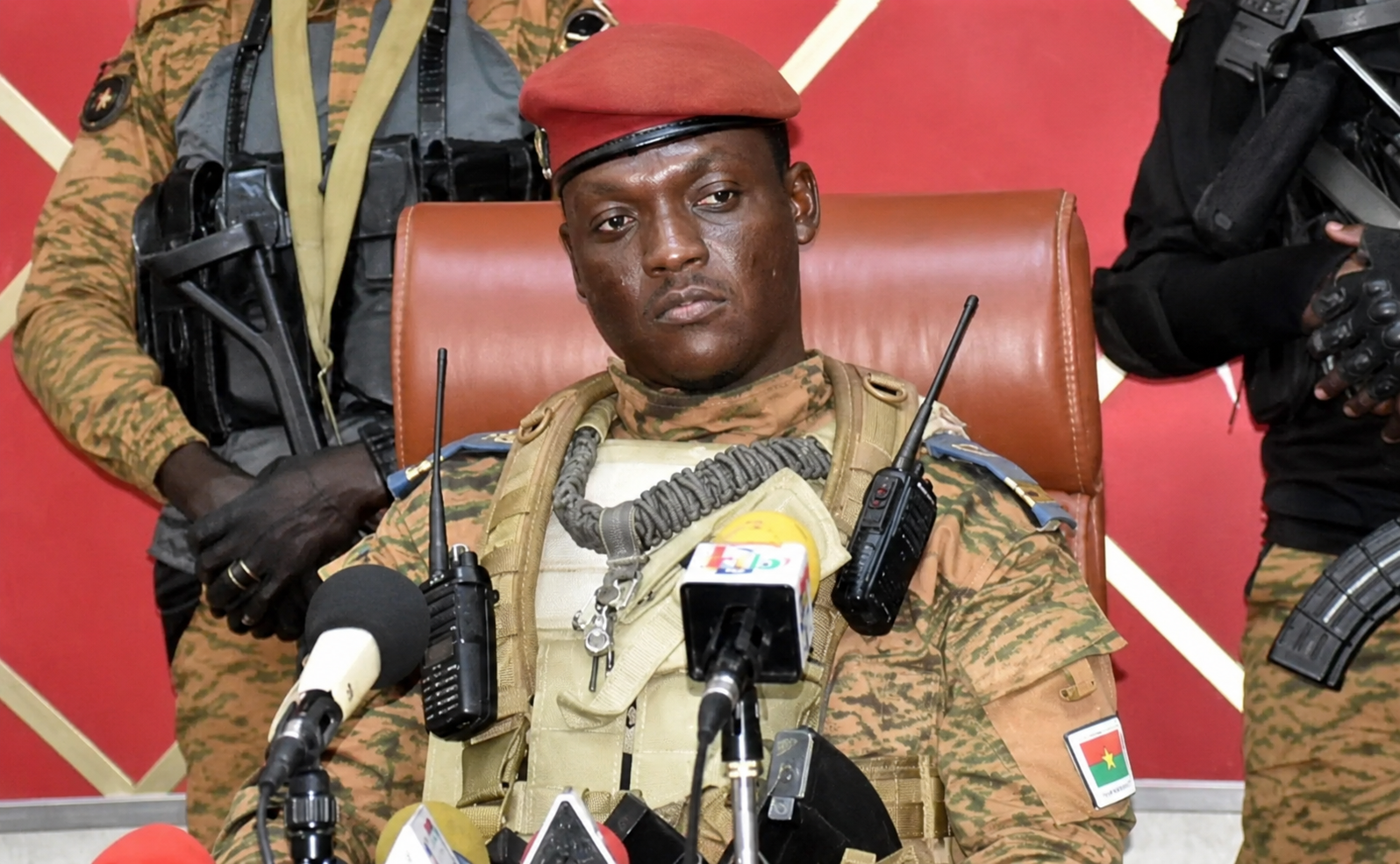
The Gaskindé ambush did not merely claim lives; it triggered a seismic shift in Burkina Faso’s corridors of power. Just four days later, on September 30, 2022, Captain Ibrahim Traoré led a coup that ousted Lieutenant Colonel Paul-Henri Sandaogo Damiba. The rapid succession of these events raised immediate questions about the circumstances surrounding the attack and its political fallout.
Initial reports following the ambush pointed to an internal investigation into how such a precisely targeted assault could have occurred. Key concerns emerged:
- The attackers’ exceptional level of preparation and coordination;
- Their apparent knowledge of the convoy’s exact route;
- Gaps in security protocols that may have facilitated the attack;
- Possible internal leaks or complicity within military ranks.
Yet before these inquiries could yield any public conclusions, the political landscape was upended. To date, no official report has been released to clarify the tragedy’s circumstances.
Institutional silence fuels distrust
In any nation facing a high-casualty attack, transparency is expected. Typically, this includes independent investigations, detailed public reports, the identification of responsible parties, and—where applicable—legal consequences. In Gaskindé’s case, none of these steps have materialized.
The consequences of this opacity are far-reaching:
- Families of the victims remain in the dark about how their loved ones died;
- No public accountability has been established for potential internal failures;
- Speculation thrives in the absence of authoritative explanations.
This lack of clarity undermines confidence in military institutions and erodes public trust—a critical asset in any counterterrorism effort.
The political weight of an unresolved tragedy
Gaskindé quickly became a symbol of the Damiba regime’s alleged inability to restore security. Captain Traoré’s justification for seizing power hinged on the need to address the country’s deteriorating security situation. Yet the new leadership has done little to shed light on one of the most pivotal events used to justify its rise.
A troubling question lingers: If the coup aimed to correct the failures of the previous administration, why has it not taken the opportunity to clarify Gaskindé’s circumstances and restore national confidence?
Governance built on transparency must extend beyond criticizing past mistakes. It requires concrete answers to lingering questions. By failing to do so, the current regime risks reinforcing perceptions that it demands accountability from others while avoiding it for itself.
Internal failures and the fight against terrorism
History shows that armed groups thrive where institutions are vulnerable—whether through intelligence failures, corruption, infiltration, or command dysfunction. The Gaskindé ambush exemplifies how such vulnerabilities can have devastating consequences.
An attack of this scale on a military convoy demands rigorous scrutiny of internal processes. The effectiveness of Burkina Faso’s counterterrorism efforts depends not only on battlefield performance but also on the willingness of institutions to confront their own shortcomings. A strong army is built on trust—between soldiers, their leaders, and the population—a trust that cannot endure when national tragedies remain shrouded in uncertainty.
The unfulfilled demand for truth
Nearly four years after the ambush, Gaskindé remains a raw and unresolved wound in Burkina Faso’s national psyche. The families of the fallen, soldiers on the front lines, and citizens alike deserve clarity. Beyond political considerations, this is a matter of justice, remembrance, and public responsibility.
No nation can build lasting stability on unanswered questions. The people of Burkina Faso will continue to demand answers about Gaskindé until a credible, independent, and transparent investigation sheds full light on what happened. Only then can the victims’ families find closure, and only then can the nation begin to heal.