
Behind the scenes of Niger’s recent decision to reopen schools in Diffa lies a complex web of security concerns, administrative measures, and fundamental rights. What began as a targeted response to insurgent threats has sparked unintended consequences, raising critical questions about collective punishment and the protection of Nigeria’s most vulnerable populations.
From targeted security measures to blanket restrictions
The closure of schools and public infrastructure in Diffa was initially framed as a necessary step to safeguard communities from armed group threats. However, reports emerged of restrictions disproportionately affecting the Mohamid community, including school closures and reassignments of teachers. These moves, while intended to enhance security, blurred the line between preventive action and punitive measures.
The timing of these administrative decisions—announced in early October—coincided with broader discussions about state-led interventions in conflict zones. Yet the lack of transparency surrounding their implementation fueled controversy. Were these measures truly rooted in security imperatives, or did they reflect deeper administrative or political motivations?
When security policies collide with children’s rights
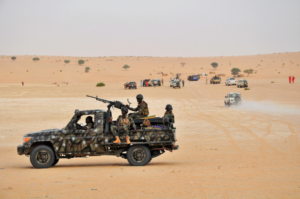
The closure of schools in Diffa did not exist in a vacuum. Niger, like many nations in the Sahel, grapples with the dual challenge of countering insurgency while upholding constitutional rights. The crisis in Diffa, situated on the shores of Lake Chad, has been exacerbated by the activities of groups like Boko Haram, which have displaced thousands and disrupted essential services.
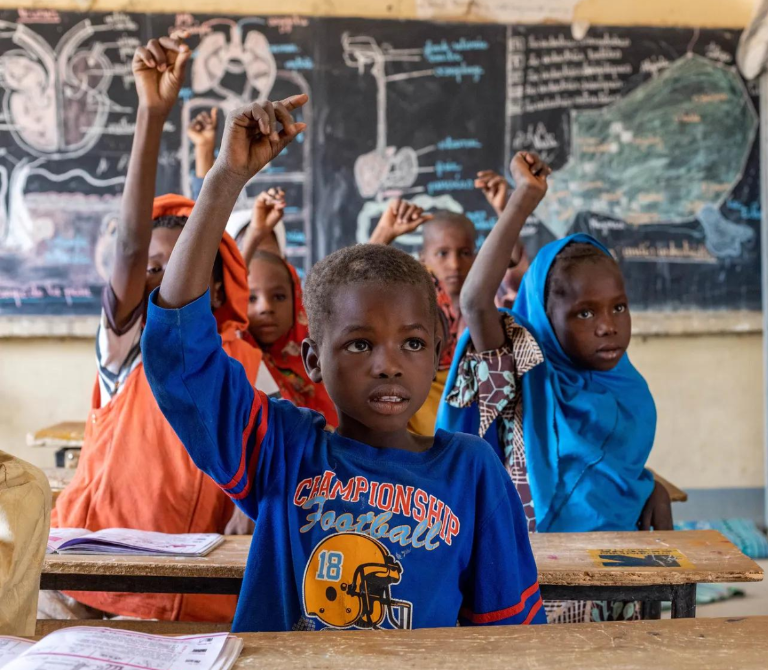
Yet the decision to restrict access to education for entire communities raised alarms. The United Nations Convention on the Rights of the Child, to which Niger is a signatory, explicitly prohibits discrimination in access to schooling. When schools close based on collective affiliation rather than individual risk, the state risks undermining its own legal obligations—and the futures of countless children.
The human cost of collective punishment
- Interrupted learning: For many children in Diffa, temporary school closures turned into prolonged absences, forcing families into precarious choices between safety and education.
- Erosion of trust: Parents questioned the legitimacy of blanket restrictions, particularly when framed as security measures without clear evidence of individual wrongdoing.
- Long-term risks: Prolonged disruptions in education can deepen inequality, trapping vulnerable children in cycles of poverty and vulnerability.
Why Diffa’s school reopening is more than just a policy shift
The recent decision to reverse these restrictions and reopen schools to all communities marks a pivotal moment. It reflects a growing recognition that security measures must be balanced with human rights—and that no child should be penalized for the actions of others.
Yet the path forward remains fraught with challenges. Ensuring classrooms are fully staffed, materials are available, and students feel safe requires more than a policy announcement. It demands sustained effort from local authorities, educators, and communities alike.
Building a sustainable framework for inclusive education
For Diffa’s schools to serve as engines of stability rather than flashpoints of division, several steps are critical:
- Transparent accountability: Clear criteria for school closures and reopenings, with justification based on evidence rather than community affiliation.
- Community engagement: Involving local leaders and families in decisions about school operations to rebuild trust.
- Legal compliance: Aligning all educational policies with Niger’s constitutional guarantees and international human rights commitments.
Diffa’s schools as a microcosm of Niger’s bigger challenges
The fate of Diffa’s education system is inextricably linked to broader national issues: the balance between security and liberty, the role of the state in protecting marginalized groups, and the urgent need for equitable development in conflict zones. Schools are not just places of learning—they are symbols of state legitimacy and sources of hope in fragile regions.
As Niger navigates these tensions, the reopening of Diffa’s schools serves as both a relief and a reminder. Relief, because it signals a potential return to normalcy for thousands of children. A reminder, because the road to lasting stability requires more than policy reversals—it demands a commitment to justice, inclusion, and the protection of fundamental rights.
In Diffa, the stakes could not be higher. For the children of this region, the right to education is not a privilege—it is the foundation of their future.