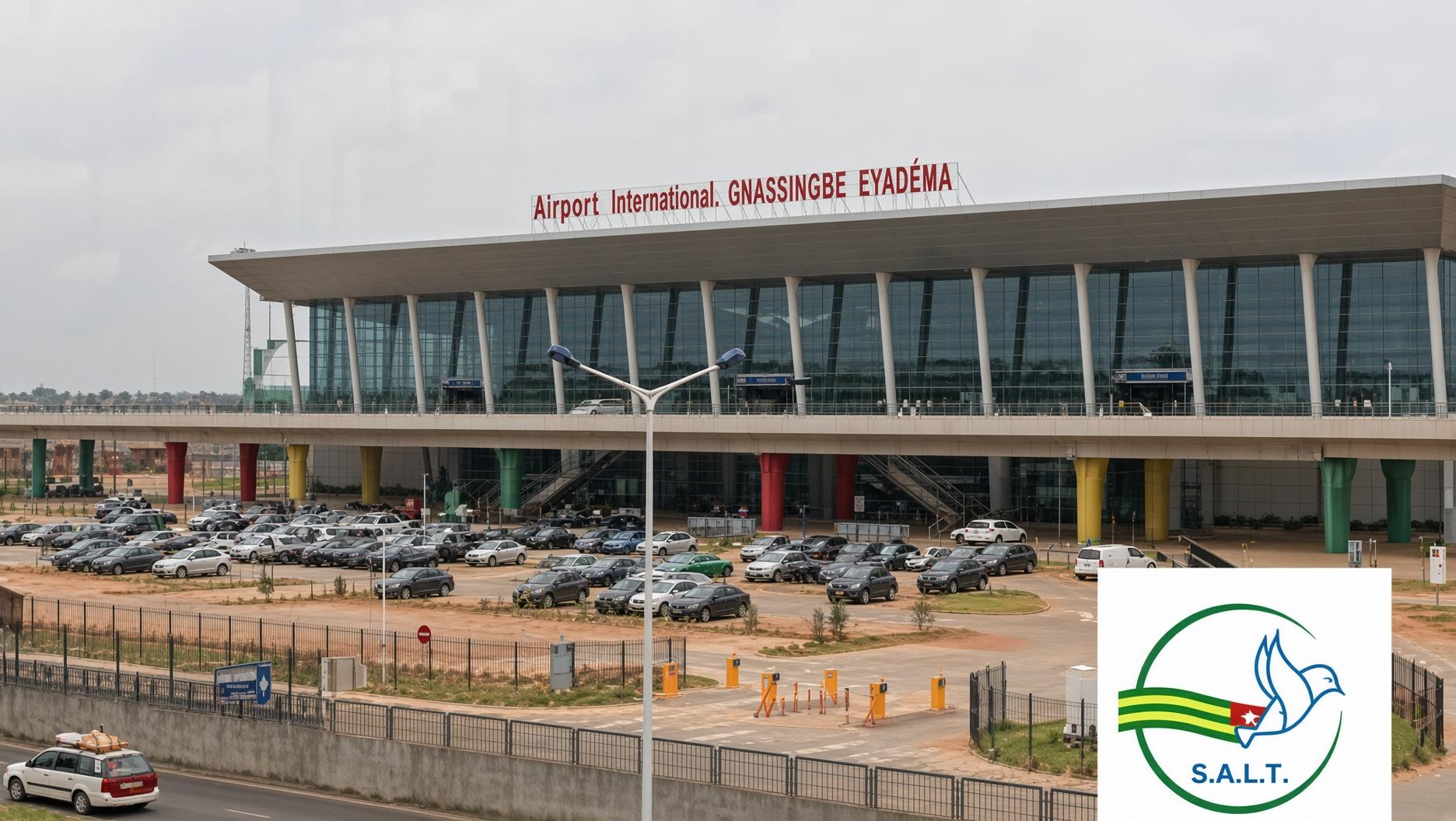

The crisis unfolding at Lomé’s international gateway wasn’t just another operational hiccup—it exposed the raw gaps in public management and forced a dramatic shift in strategy. As sanitation failures escalated into a national embarrassment, Togo’s government is now leaning on private sector acumen, specifically Lagardère Travel Retail, to rescue its ambitions of transforming the Gnassingbé-Eyadéma International Airport (AIGE) into a West African commercial powerhouse.
The sanitation scandal that shattered confidence and triggered reform
The turning point came not with a single misstep, but with a cascade of failures culminating in a sanitation disaster that went viral. In early October 2026, a malfunctioning drainage system in the departure hall caused raw sewage to flood public areas—a scene captured on mobile phones and broadcast across social platforms. What authorities initially dismissed as a “minor technical glitch” was later recognized as the visible symptom of a deeper decay.
Passengers, airlines, and diplomats alike witnessed the gap between Lomé’s stated modernization goals and the grim reality of cracked floors, overflowing pipes, and inadequate waste management. The incident didn’t just tarnish the airport’s reputation; it shattered public trust in the Société Aéroportuaire de Lomé-Tokoin (SALT), the state-run operator tasked with maintaining one of West Africa’s busiest transit hubs.
From public failure to private takeover: the anatomy of a strategic pivot
Faced with overwhelming evidence of institutional incapacity, the Togolese government has made a calculated choice: surrender direct control over commercial operations to an internationally recognized player. Lagardère Travel Retail, a subsidiary of the Bolloré-backed Louis Hachette Group, is now poised to assume responsibility for duty-free concessions and retail management at AIGE.
This decision reflects a broader regional trend where capitals from Dakar to Accra are turning to global operators to avoid the pitfalls of underfunded, understaffed state agencies. But in Togo, the stakes are especially high. The AIGE isn’t just an airport—it’s a symbol of national ambition, a gateway to regional integration and economic growth. Allowing it to fall into disrepair would undermine decades of investment in connectivity and trade.
Why Lagardère? The calculus behind the choice
The selection wasn’t arbitrary. Lagardère brings a track record of restoring underperforming airport concessions across Africa, revamping retail footprints, and improving passenger experience through technology and service standardization. Its global network ensures high-margin duty-free sales, which could directly fund further infrastructure upgrades—something the public sector has struggled to deliver.
Yet this pivot is not without its critics. Detractors argue that handing over prime commercial real estate to a French multinational—one with deep colonial-era ties—amounts to a loss of economic sovereignty. They point to concerns that local vendors and small artisans could be sidelined in favor of international brands, draining revenue from the local economy.
Can modernization coexist with national ownership?
The government faces a delicate balancing act. On one hand, it needs Lagardère’s expertise to restore operational credibility and prevent further reputational damage. On the other, it must ensure that the airport’s transformation doesn’t become a one-way street benefiting foreign shareholders while leaving Togolese businesses behind.
To address these concerns, officials are reportedly negotiating strict local content clauses and affirmative procurement policies. These measures aim to preserve opportunities for Togolese entrepreneurs while leveraging Lagardère’s commercial muscle to attract international routes and investors.
The success of this model—if it holds—could redefine how African nations modernize critical infrastructure without ceding long-term control. For now, Lomé’s airport stands at a crossroads: between foreign-led efficiency and the preservation of national pride.
The road ahead: rapid fixes and long-term trust
For Lagardère, the immediate priority is damage control: repairing sewage systems, upgrading waste treatment, and restoring cleanliness and dignity to passenger areas. These aren’t just cosmetic changes—they’re essential to regaining the confidence of travelers and aviation partners.
But the deeper challenge lies in building a sustainable partnership. Lagardère’s contract will likely include performance benchmarks tied to passenger satisfaction, retail revenue reinvestment, and transparency in financial flows. The government, for its part, must ensure that revenues generated from duty-free sales are channeled into broader airport upgrades and not lost to mismanagement.
If executed well, this partnership could serve as a model for other West African nations wrestling with similar challenges. If mishandled, it risks reinforcing old narratives of neocolonial interference and economic extraction.