
The hidden layers behind Algeria and Niger’s latest military agreement
On October 21, 2026, a military cooperation protocol between Algeria and Niger was signed in Algiers, marking what officials call a strategic milestone. Yet beneath the carefully worded communiqués and ceremonial handshakes lies a landscape of unanswered questions. What does the document actually contain? How will it be implemented? And most importantly, what does it reveal about the shifting power dynamics in the Sahel?
The absence of public clarity isn’t unusual in military diplomacy—confidentiality often cloaks sensitive details. But when such an agreement is touted as a breakthrough, the lack of transparency raises legitimate concerns. Is this a genuine step toward shared security, or merely a symbolic gesture with little operational substance?
What the official narrative omits about the Algeria-Niger security deal
The joint statement issued after the signing highlighted a commitment to “strengthen military and security cooperation” and “enhance coordination between the two armed forces.” These phrases, while reassuring, offer no insight into the concrete mechanisms intended to achieve them.
Does the protocol include joint training programs for Nigerien troops? Are there provisions for regular staff exchanges or intelligence-sharing protocols? Will coordinated border surveillance or technical assistance be part of the arrangement? Publicly available information provides no answers. While secrecy in defense agreements is often justified, it becomes problematic when the accord is positioned as a major advancement.
The ambiguity extends beyond operational specifics. The financial allocations, implementation timelines, and monitoring frameworks remain undisclosed. Without these details, it’s impossible to determine whether this is a robust partnership with measurable outcomes or merely a framework for future discussions.
How Algeria and Niger’s security interests align—and where they diverge
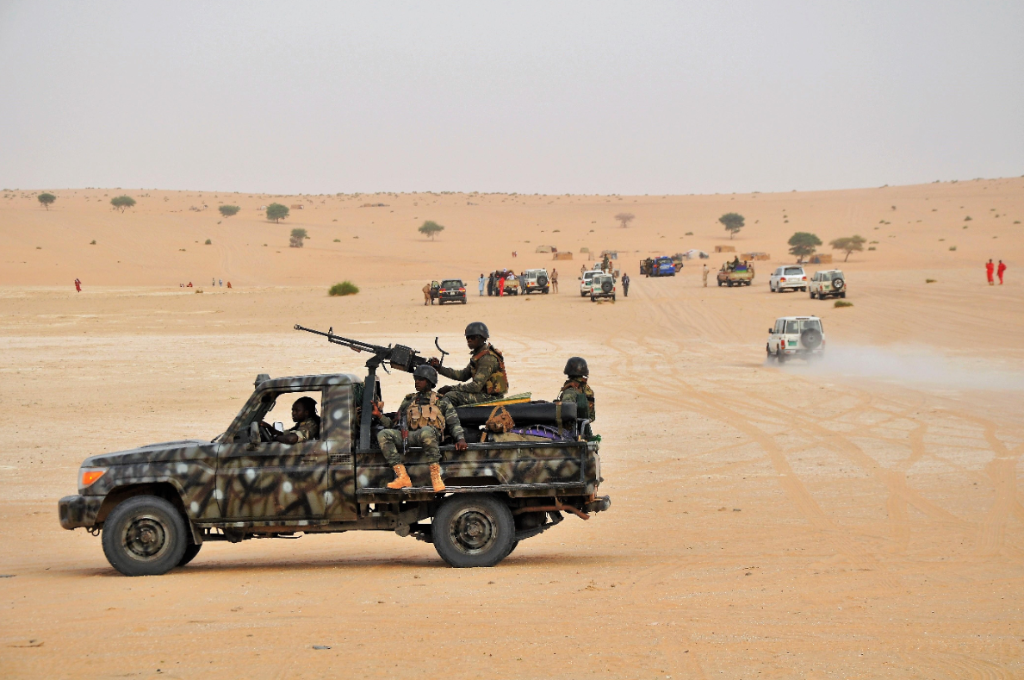
The timing of the agreement is no coincidence. Both countries face pressing security challenges: Niger grapples with armed groups near its borders with Mali and Burkina Faso, while Algeria prioritizes securing its southern frontiers. A strengthened bilateral alliance could enhance information exchange, capacity-building, and cross-border coordination.
However, the distinction between potential goals and confirmed clauses is critical. There is no evidence in public records that the protocol mandates joint military operations, troop deployments, or mutual defense commitments. Such distinctions matter—cooperation does not automatically imply alliance.
Budget, oversight, and accountability: the missing pieces of the puzzle
The success of any military cooperation hinges on three key factors: funding, structure, and accountability. Yet none of these are clearly defined in the available disclosures.
Will there be a dedicated budget for the initiative? Has a timeline for implementation been established? Will a joint commission oversee progress and ensure compliance? Without measurable benchmarks or transparent reporting mechanisms, the protocol risks remaining a vague commitment rather than a transformative security partnership.
Even the roles and responsibilities of each party remain unclear. If intelligence-sharing or coordinated operations become part of the arrangement, how will oversight be maintained to prevent misuse or unintended escalation?
Regional ripple effects: how Algeria-Niger cooperation fits into a shifting Sahel landscape
The agreement arrives at a time of realignment in Sahelian diplomacy. Niger, alongside Mali and Burkina Faso, is part of the Alliance of Sahel States (AES). Algeria, meanwhile, pursues its own regional security objectives through bilateral and multilateral channels.
Will this protocol complement existing AES initiatives, or does it signal a separate path? Without further details, it’s premature to interpret this as the formation of a new military axis or a strategic realignment against other regional actors. What is certain is that Algeria and Niger’s evolving relationship will influence broader security dynamics in the Sahel.
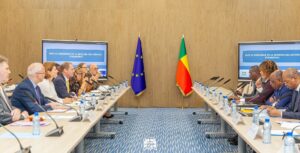
The high-profile meeting between Niger’s Defense Minister Salifou Modi and Algerian President Abdelmadjid Tebboune underscores the political weight of the accord. While it reinforces the bilateral bond, it does not confirm any hidden or additional commitments beyond what has been publicly stated.
Transparency as the bridge between intention and impact
The crux of the issue isn’t the existence of the agreement—it’s the inability to assess its substance. For Algerian and Nigerien authorities to foster trust and clarity, they could release a more detailed outline of the protocol’s objectives, implementation phases, and follow-up mechanisms, while safeguarding legitimate operational secrets.
Such transparency would help distinguish between immediate, actionable commitments and long-term cooperation goals. It would also allow analysts and neighboring countries to accurately gauge the pact’s regional implications.
Until then, the Algeria-Niger military protocol remains a promising headline without a fully revealed story. In a region where security challenges demand concrete solutions, the value of such agreements ultimately depends on what lies beneath the surface.