
The Sahel’s deepening instability isn’t just a headline—it’s a multilayered crisis reshaping security risks for travelers, businesses, and aid workers. Behind the headlines lies a complex web of insurgencies, criminal networks, and fragile governance that has pushed three key West African nations—Mali, Niger, and Burkina Faso—into the highest warning category for international travel. But what’s driving this escalation, and why is the situation so difficult to navigate?
Unpacking the U.S. travel advisory: what level 4 really means
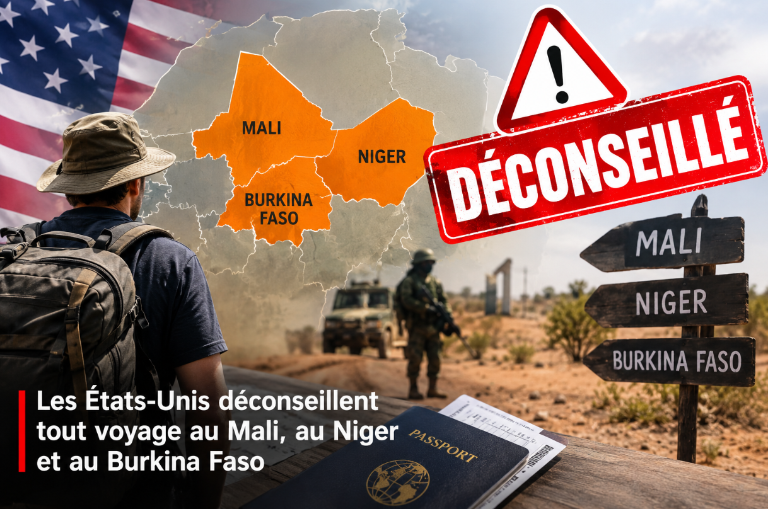
Washington’s “Do Not Travel” advisory, issued in 2026, isn’t a knee-jerk reaction—it reflects a sustained assessment of escalating threats. The United States has assigned its highest risk level to the Sahel due to overlapping dangers: widespread terrorism, targeted kidnappings, rampant crime, and worsening public health threats. These aren’t isolated incidents; they’re part of a systemic breakdown in security that affects civilians, security forces, and foreign nationals alike.
Unlike advisory levels that apply regionally, the level 4 classification covers entire countries, signaling that risks are pervasive and unpredictable. For travelers, this means no safe zones. For businesses and humanitarian organizations, it means rethinking logistical and operational strategies in a region where road networks, supply chains, and access to emergency services are under constant threat.
Mali: when terror and instability blur the boundaries of safety
In Mali, the U.S. government warns that even travel within the capital, Bamako, is not risk-free. While the city remains the most stable urban center, pockets of extreme danger persist. The advisory highlights the growing presence of armed groups linked to Al-Qaeda and ISIS, which have expanded their operations beyond remote zones into more populated areas.
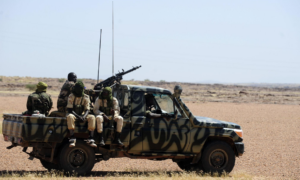
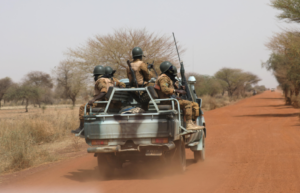
Attacks on military convoys, roadside ambushes, and targeted strikes on government outposts have become routine. Civilian targets—markets, public transit, and residential areas—are also increasingly vulnerable. The U.S. embassy has severely limited travel for its personnel, confining movement to Bamako due to the inability to guarantee safe passage elsewhere.
Kidnappings for ransom have surged, targeting both locals and foreigners. The risk is compounded by the remoteness of many areas and the limited capacity of consular services to respond rapidly in crisis situations. For anyone considering a trip to Mali in 2026, the message is clear: the line between necessity and peril is dangerously thin.
Beyond Bamako: the Sahel’s widening shadow
The danger isn’t confined to major cities. Northern regions such as Timbuktu and Gao remain under de facto militant control, while central Mali—once seen as relatively stable—has seen a surge in violence linked to intercommunal tensions and jihadist infiltration. Travel outside Bamako requires armed escorts, armored vehicles, and meticulously planned routes—luxuries few private travelers can afford.
Niger: a powder keg at the heart of the Sahel
Niger has become a flashpoint in the region’s security crisis. The U.S. advisory cites terrorism, kidnappings, and escalating crime as primary threats. Armed groups operating near the borders with Mali and Burkina Faso have intensified cross-border incursions, exploiting porous borders and weak state control.
The government’s response has included curfews, roadblocks, and emergency protocols, especially outside Niamey. But these measures offer little comfort to travelers. The U.S. embassy has restricted all non-essential travel, and even routine movement beyond the capital is discouraged. Consular support outside Niamey is virtually nonexistent—a critical factor for Americans and other foreigners living or working in the country.
Humanitarian workers, journalists, and business representatives face real dilemmas. While some NGOs continue operations with heavy security details, the cost and complexity of securing safe passage have led many to suspend field activities entirely.
When infrastructure fails: the cost of instability
Transport networks are collapsing under the strain. Major highways are frequently targeted, forcing travelers onto circuitous routes or air transport—both expensive and logistically challenging. Fuel shortages, border closures, and the threat of ambushes make overland travel a gamble. For organizations relying on supply chains or personnel mobility, the risks are financial as much as they are personal.
Burkina Faso: the frontline of jihadist expansion
In Burkina Faso, the crisis has reached a tipping point. The U.S. considers the entire country a no-go zone due to the rapid expansion of jihadist groups. Attacks are no longer confined to rural areas; they now strike urban centers, including Ouagadougou. Hotels, restaurants, and public spaces have been targeted in coordinated strikes, turning everyday activities into potential hazards.
The scale of violence has overwhelmed local authorities. Entire provinces are under de facto militant control, and local defense forces—often poorly equipped—struggle to hold territory. The U.S. government has followed suit, limiting its personnel to Ouagadougou and suspending all travel outside the capital.
Kidnappings remain a primary tool of intimidation. Foreign nationals working in mining, aid, and energy sectors are especially vulnerable. Even brief trips to high-risk zones can result in prolonged detention or worse, with little hope of rapid intervention from international actors.
Economic fallout: when security trumps opportunity
The impact extends far beyond safety. Foreign investment has plummeted. Tourism—once a modest but growing sector—has evaporated. Mining operations face shutdowns or relocation. Local economies are collapsing under the weight of insecurity, displacement, and disrupted trade. For international actors, the message is unambiguous: the benefits of engagement no longer outweigh the risks.
What this means for you: how to assess the risks in 2026
Whether you’re a traveler, a business owner, or an aid worker, the Sahel’s current reality demands a sober reassessment. Travel to Mali, Niger, or Burkina Faso is not just discouraged—it’s actively discouraged for reasons that go beyond temporary instability. These are long-term structural threats that show no signs of abating.
Before making any plans, consider the following:
- Legal and insurance implications: Many travel insurance policies exclude high-risk zones. Check your coverage carefully before booking.
- Operational feasibility: Can you secure safe transport, accommodation, and emergency support? If not, the trip may not be viable.
- Consular limitations: U.S. embassies cannot guarantee rapid response in level 4 zones. Delays in evacuation or assistance could be life-threatening.
- Alternatives: With risks spreading across the Sahel, even bordering countries like Benin, Togo, or Ghana are becoming safer destinations for West African travel.
Above all, recognize that the security landscape in these countries is fluid. A region safe last month may not be safe today. Authorities recommend continuous monitoring of official advisories and a readiness to pivot plans at short notice.
Behind the scenes: why the warnings won’t ease soon
The roots of the Sahel’s crisis run deep. Weak governance, climate-induced migration, ethnic divisions, and foreign militant infiltration have created a perfect storm. International counterterrorism efforts have struggled to gain traction, and state authority is fragmenting in many areas. Until these underlying issues are addressed, the region will remain a high-risk zone.
For now, the message from Washington is clear: the Sahel is not experiencing a temporary surge in violence—it is trapped in a cycle of systemic instability. Traveling there in 2026 is not a risk worth taking.