
The Ebola epidemic in the Democratic Republic of the Congo has expanded to a fourth province, Haut-Uélé, health authorities have confirmed. Since the outbreak was declared in May, the virus has infected 1,274 people and caused 360 deaths. Ituri remains the epicentre of the crisis, as medical teams struggle to contain the spread in a region plagued by access difficulties, armed violence, and distrust among some communities.
Until now, three Congolese provinces were affected: Ituri (bordering Uganda and South Sudan), neighbouring North Kivu, and South Kivu. Twenty cases including two deaths have been recorded in Uganda.
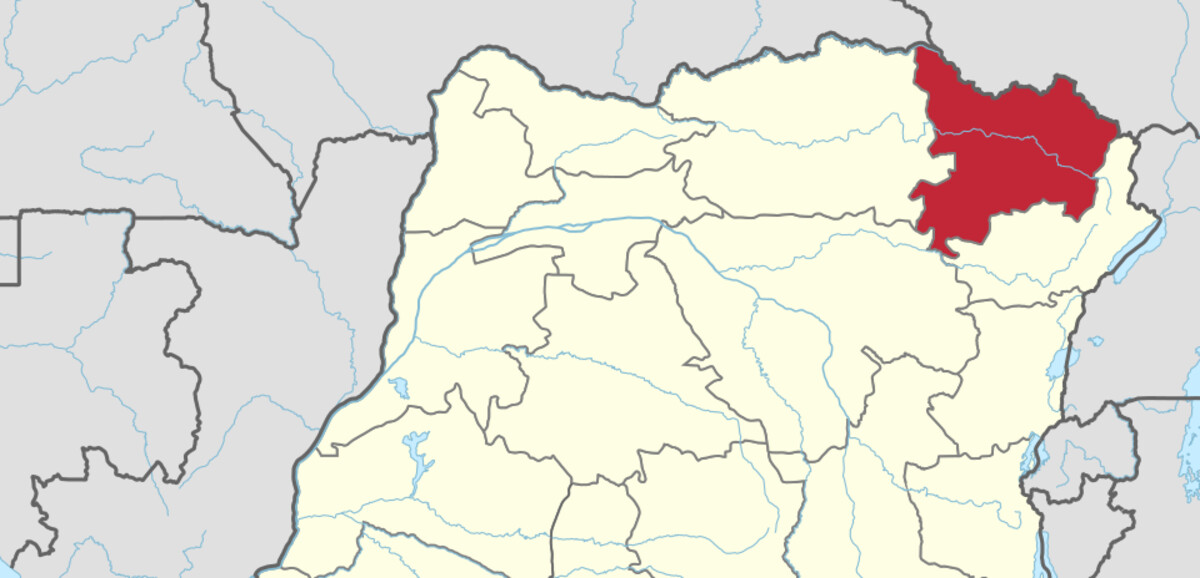
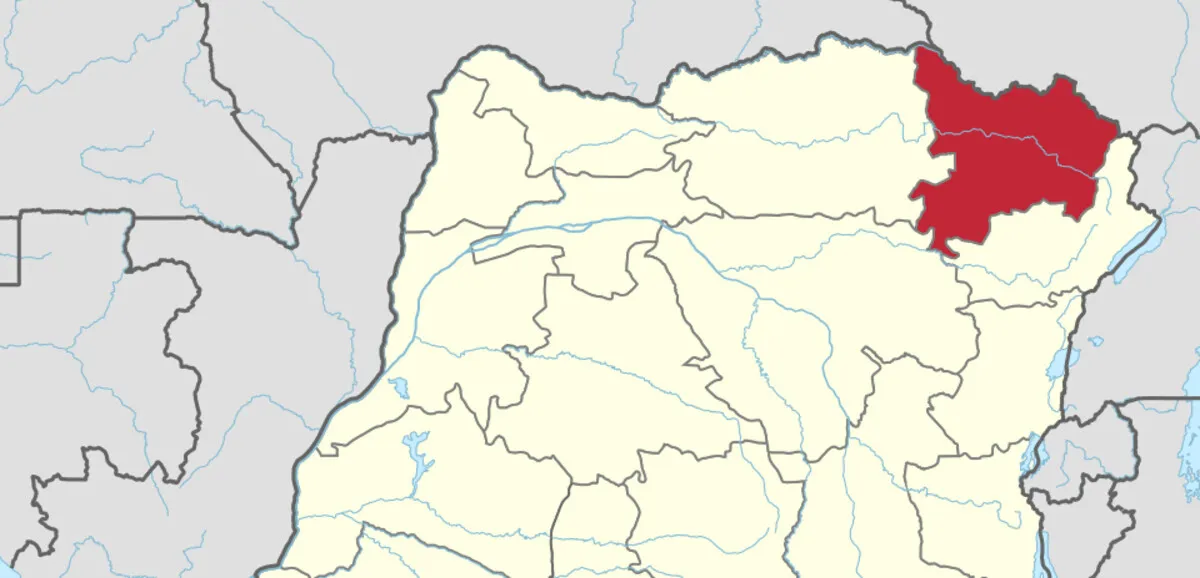
Haut-Uélé now becomes the fourth province affected. This region, adjacent to Ituri, shares borders with South Sudan and the Central African Republic. A person infected in Ituri travelled to Haut-Uélé, importing the virus there. That patient has since died.
“We will contain this epidemic, but it will take more time,” said Dr Jean-Jacques Muyembe, a leading figure in the response.
Health authorities are working to trace the chain of transmission and identify potential contacts. In many instances, the disease has been spread during funeral rites, as the body of an Ebola victim is highly contagious. For weeks, humanitarian workers on the ground have been organising burials that adhere to strict sanitary measures, despite strong community resistance, to prevent any human contact with the deceased.
In the DRC as elsewhere in Africa, funeral rites often last several days, with family and friends traditionally touching the body during ceremonies.
Ongoing violence from armed groups complicates response
Recent weeks have seen incidents at health centres, often triggered by angry community members demanding the remains of their loved ones. Haut-Uélé shares features with Ituri: both are remote areas at the crossroads of multiple countries, rich in gold, and characterised by intense trade and transit, which facilitates the spread of the virus.
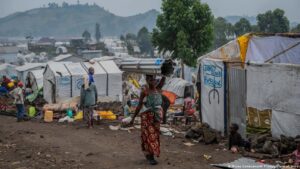
These regions are also plagued by violence from armed groups. In Ituri, massacres have occurred regularly for about a decade, carried out by community militias or the ADF armed group, which is affiliated with the Islamic State. The ADF has recently made incursions into Haut-Uélé, which is also troubled by armed groups from neighbouring countries. The security context, in which the Ebola epidemic continues to worsen, hampers the deployment of the health response, which was launched late. Humanitarians and scientists say health authorities were slow to detect the virus.
Epidemiological investigations yet to be confirmed suggest the first suspected deaths date back to January. In Ituri, efforts have recently been stepped up, but health facilities—often under-resourced in one of the world’s poorest countries—still lack equipment and basic supplies such as protection kits and chlorine.
Ebola treatment centres set up with WHO and several NGO teams are already saturated, with an occupancy rate of over 138%, according to the National Institute of Public Health. So far, 78 healthcare workers have been infected, 18 of whom have died.
Experts and health authorities agree that more than six weeks after the official declaration of the epidemic, the peak has not yet been reached, and the crisis could last between six months and a year. Ebola, transmitted through contact with bodily fluids, has killed more than 15,000 people in Africa over the past 50 years. The deadliest outbreak in the DRC caused nearly 2,300 deaths from 3,500 cases between 2018 and 2020.