
Economic repercussions of the Bénin-Niger border closure
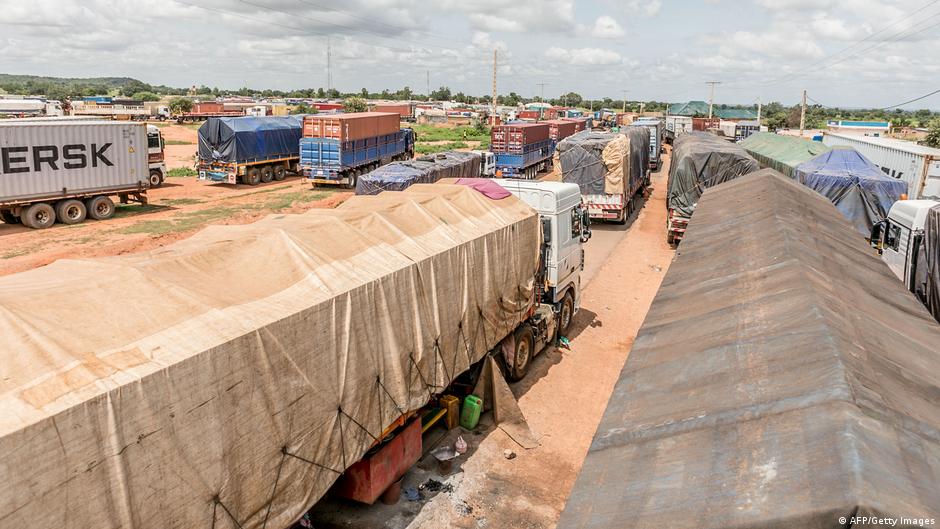
Even with alternative routes through Nigeria, traders and transporters are experiencing substantial financial setbacks and a noticeable deceleration in their operations.
The extended closure of the border between Niger and Bénin, a direct result of the military coup on July 26, 2023, has unleashed profound economic repercussions across the region.
The ongoing impact of the Niger-Bénin border shutdown continues to exert immense pressure on the Nigerien economy. For many months, businesses and transport operators have been forced into urgent adaptations simply to sustain their operations.
Nigeria emerges as an alternative route
The Béninese corridor historically served as a vital artery for Niger’s supply chain. Its closure compelled numerous merchants to divert their trade through Nigeria, a path that proved not only lengthier and more costly but also fraught with increased risks.
“We have felt the impact profoundly, affecting us emotionally, commercially, and financially. It’s a stark reality,” explains Nigerien economic operator Yacouba Dan Maradi. “For a period, we managed to use the Nigeria bypass, but even that wasn’t without its financial hazards. However, I believe we are now moving past those challenges.”
Profitability severely diminished
Similarly, hydrocarbon transporters face considerable challenges. Extended delivery schedules have drastically cut into the profitability of their operations.
Mody Hassane, Secretary General of the Hydrocarbon Transporters’ Union, paints a grim picture of the economic situation for drivers. He states, “The border closure has severely impacted our transport sector. Previously, drivers like us could complete two to three trips monthly. Now, a single journey can stretch for two to three months. We’re no longer discussing economics; we’re dealing with substantial losses.”
The combination of escalating logistical expenses and a deceleration in commercial exchanges means the Nigerien economy continues to bear the brunt of its border closure with Bénin. Merchants and transporters alike now fervently hope for a sustained normalization of trade between Niger and Bénin, aiming to revitalize economic activity and reinstate the regular flow of goods.