
Children in Niger’s Sahel region, particularly near the borders with Mali and Burkina Faso, are facing an alarming surge in violence, with increasing numbers being killed or forcibly recruited by armed groups, according to a recent report.
The 64-page document, titled “Left with nothing but myself”: The growing toll of conflict on children in Tillabéri, highlights the devastating impact of the conflict involving the Islamic State in the Greater Sahara (EIGS) and the Support Group for Islam and Muslims (GSIM), affiliated with Al-Qaeda. These groups have been accused of war crimes, including targeted killings of civilians and deliberate attacks on schools, leaving a generation traumatized by unrelenting violence.
In Tillabéri, a region already ravaged by conflict, women and girls face severe restrictions on their freedom, risking abductions or forced marriages to fighters. Many children—especially boys—are being targeted for recruitment, often lured with promises of food, money, or clothing. Survivors describe harrowing scenes, including targeted shootings in homes and relentless attacks on villages.
In Tillabéri, an entire generation is growing up surrounded by death and destruction.
Matt Wells, Deputy Director of Crisis Response at Amnesty International
targeted killings and forced recruitment
The violence has intensified in 2021, with over 544 civilian deaths recorded between January and July alone—up from 397 in 2020, according to the Armed Conflict Location & Event Data Project (ACLED). Among the victims, more than 60 children have been killed in Niger’s portion of the tri-border zone, with the EIGS primarily responsible for large-scale massacres.
Witnesses described motorbike-mounted gunmen storming villages, firing indiscriminately at men and teenage boys. One 13- or 14-year-old survivor recalled: “We’re used to gunfire and seeing bodies piled up.” A 14-year-old boy, whose friend Wahab was killed, shared: “I still have nightmares about being chased by motorbike riders, or seeing Wahab plead with the attackers.”
Beyond killings, armed groups are actively recruiting children, particularly in Torodi, near the Burkina Faso border. The GSIM targets boys as young as 15, though some recruits are even younger, offering incentives like food, money, or clothing. Training sessions range from one week to three months, and children are often used as spies or lookouts—roles that, under international law, constitute direct participation in hostilities.
attacks on education and healthcare
The EIGS and GSIM have systematically targeted schools, burning down buildings and threatening teachers, forcing closures across Niger’s Tillabéri region. By June 2021, 377 schools were shut, depriving over 31,000 children of education. Many rural schools, built with flammable materials like thatch, are particularly vulnerable.
A 15-year-old boy from Mogodyougou explained: “Teachers fled… They would have been killed otherwise.” The closures have left children idle, with one 14-year-old stating: “We weren’t happy when school closed… Afterward, we just stayed home with nothing to do.”
The conflict has also crippled healthcare access, as armed groups loot medical centers and authorities restrict civilian movement, hindering humanitarian aid. Immunization rates have plummeted, and diseases like measles are on the rise.
food insecurity and forced displacement
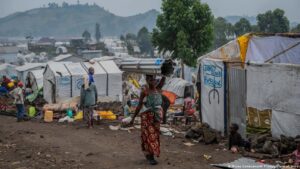
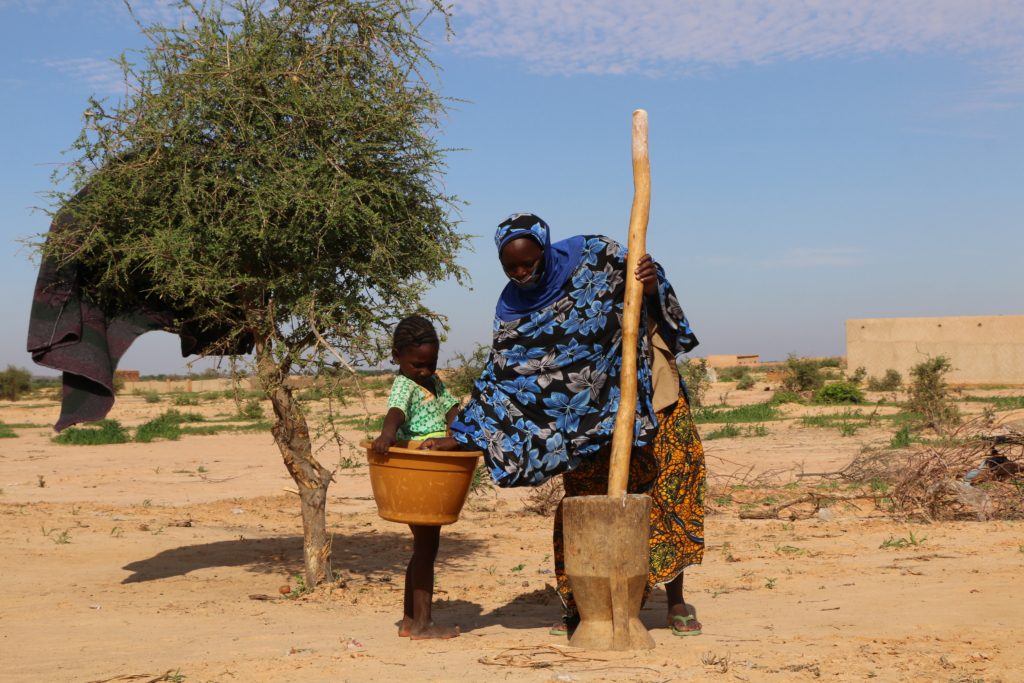
Armed groups frequently destroy grain stores, loot shops, and steal livestock during attacks, leaving families destitute. A mother of seven, whose family’s granaries were burned in an attack on Zibane, lamented: “Everything was burned… I have nothing left but myself.” Satellite imagery confirms these targeted burnings, which have displaced tens of thousands, emptying entire villages.
Additionally, the EIGS and GSIM impose “taxes” on communities, often through violence. Humanitarian organizations warn that 2.3 million people in the region could face food insecurity due to these attacks, compounded by drought and floods.
psychosocial trauma and urgent calls for action
The relentless violence has left deep psychological scars on children, with symptoms including nightmares, insomnia, anxiety, and loss of appetite. Many lack access to psychosocial support. A 15-year-old displaced from his village pleaded: “I just want peace to return… The government needs to care about our lives here in the camp—food, water, and school. We need school.”
Nigerian authorities and international partners must urgently equip children with the tools to build a future.
Matt Wells, Deputy Director of Crisis Response at Amnesty International
Experts stress that the conflict, which began in Mali in 2012, has spread to neighboring Burkina Faso and Niger, with armed groups vying for control of border areas. The crisis has displaced 1.9 million people, with 13.2 million requiring humanitarian aid in 2021.
The report, based on interviews with 119 individuals, including 22 children and humanitarian workers, underscores the urgent need for protection, education, and mental health support for children caught in the crossfire.