
The Sahel is at a critical juncture, and the balance sheets are devastating. As Mali grapples with unprecedented violence, the once-unshakable rhetoric of certain panafricanist ideologues is starting to crack under pressure. Military setbacks and political miscalculations are exposing the gap between grand theories and on-the-ground realities.
Military setbacks reveal flaws in Russia’s Sahel strategy
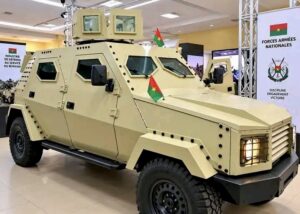
Recent coordinated attacks on Kati and Kidal have sent shockwaves through the region. Despite the Africa Corps‘s heavy deployment, the boldness and tactical coordination of armed groups have shattered the illusion of Moscow’s promised ironclad protection. These incidents in key strategic zones underscore the glaring weaknesses of a security approach that appears to be losing steam at a rapid pace.
Kemi Seba’s shifting stance: a slow-burning evolution
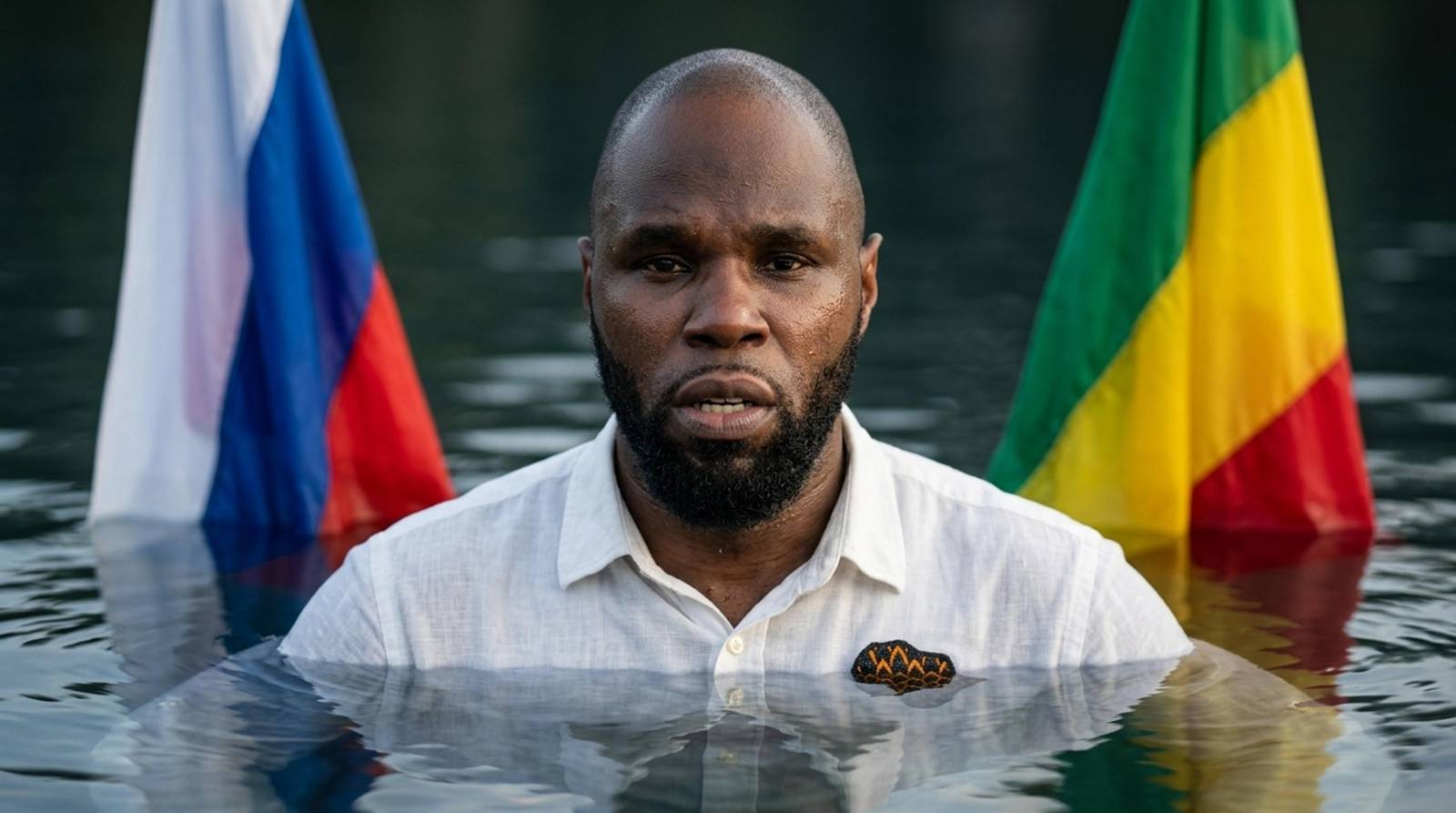
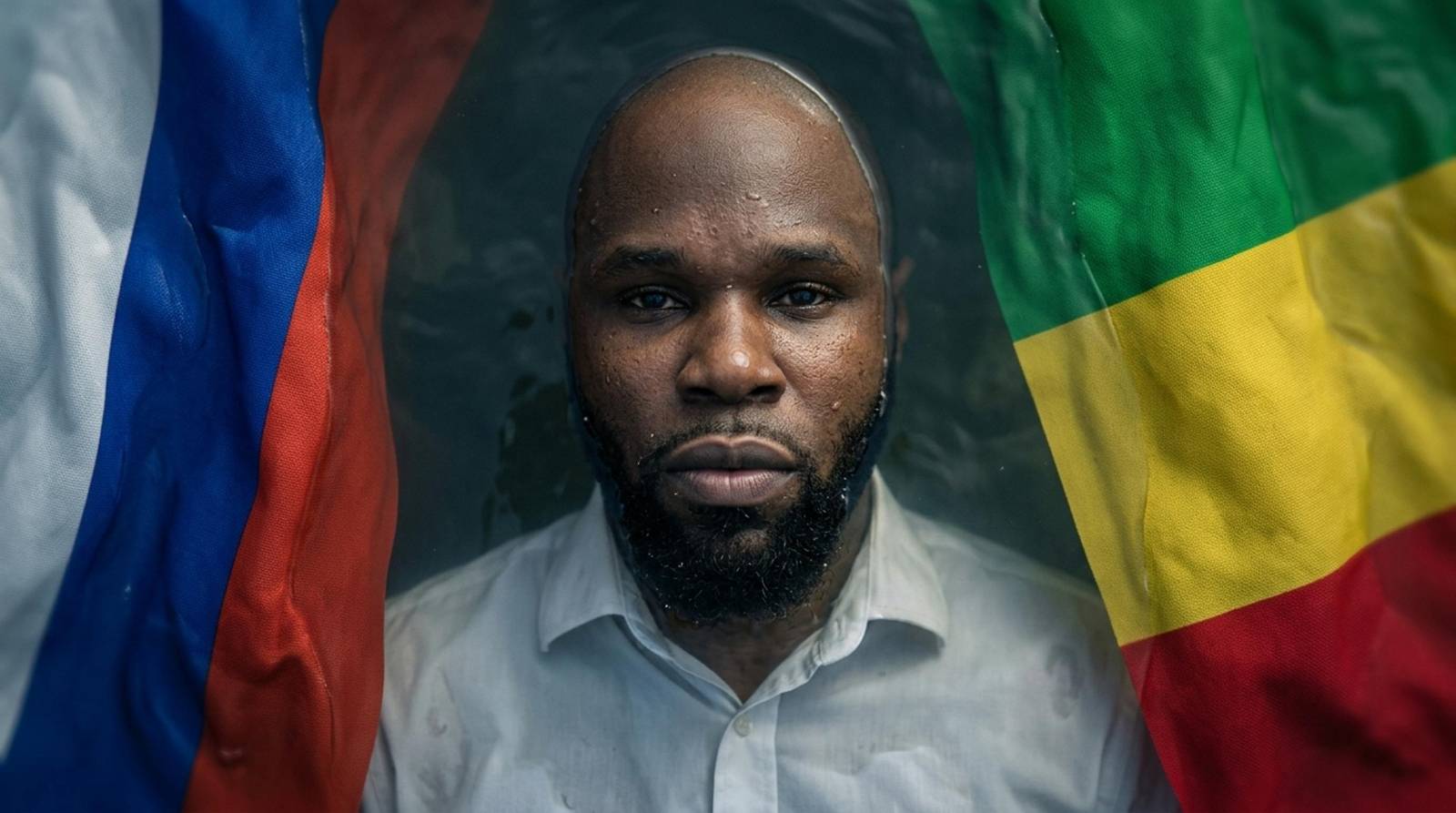 In the midst of this turmoil, the shifting position of panafricanist activist Kemi Seba stands out. Once a staunch advocate for Russian influence in the region, Seba now openly criticizes Moscow’s presence, dismissing it as merely transactional. But this isn’t a sudden revelation—it’s the culmination of a gradual shift in tone.
His transformation began long ago, following his arrest and forced political asylum in South Africa. The distance from the Sahelian frontline marked a turning point, pushing his discourse toward growing bitterness. Today, by highlighting Moscow’s focus on extracting mineral resources, Seba is merely confirming a split that started during his time in exile. The ‘liberator’ of yesterday now seems acutely aware that his former ally’s priorities no longer align with his own vision for the region.
Alliance of Sahel States (AES) grapples with hard truths
Seba’s evolving stance is just one symptom of a broader unease. For Burkina Faso and Niger, the events in Mali serve as a stark warning. The once-celebrated narrative of an Eastern miracle solution is colliding with harsh realities: insecurity is worsening, and the cost of foreign support—whether military or political—is becoming increasingly steep in terms of sovereignty.
The Sahel now stands at a crossroads. With a Russian partner seemingly driven by self-interest and media voices adjusting their stances based on personal circumstances, the people of the region remain trapped in limbo, waiting for a tangible and lasting solution to their security challenges.