
A profound sense of urgency is gripping northern Mali as the nation’s security landscape undergoes a rapid and dramatic transformation. Following the symbolic capture of Kidal, various armed factions are making significant territorial gains. Concurrently, the Groupe de soutien à l’islam et aux musulmans (JNIM) is launching an unprecedented political offensive, calling for the dissolution of the current transitional administration.
A resurgence of territorial instability
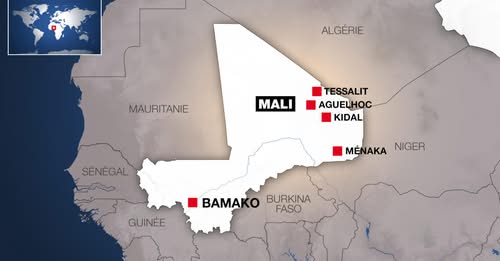
The current situation mirrors the dark events of 2012. On Friday, May 1, 2026, combatants from the JNIM and the Front de libération de l’Azawad (FLA) successfully seized the strategic military outposts of Tessalit and Aguelhoc. The withdrawal of the Forces armées maliennes (FAMa) and their Russian partners from Africa Corps allowed the insurgent forces to occupy these sites without significant resistance.
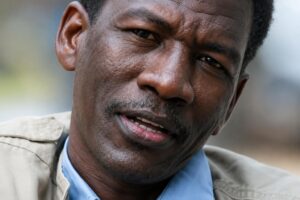
A widely circulated image, verified by multiple outlets, illustrates the gravity of the situation: Seidane Ag Hitta, a prominent leader within the JNIM, was seen displaying the keys to the Tessalit camp. This development occurs five years after the conclusion of the French Barkhane operation. Since April 25, several localities, including Ber, Tessit, Hombori, and Gourma Rharous, have fallen out of government control, leaving the residents of Gao and Tombouctou in a state of anxious uncertainty.
Bamako’s strategic response and international backing
Despite these significant territorial losses, the leadership at the Koulouba palace remains defiant. General Assimi Goïta has called for a “national surge,” asserting that no form of pressure will force Mali to abandon its current political path.
The state’s defensive efforts are currently focused on two primary areas:
- Military operations: The Malian air force has increased its precision strikes in Kidal, targeting administrative buildings and rebel logistics hubs. While the FLA disputes the effectiveness of these raids, Bamako maintains that numerous hostile elements have been neutralized.
- Supply chain security: As a jihadist blockade threatens the main routes to the capital, a massive convoy of 800 fuel tankers successfully reached its destination this Friday, protected by both ground troops and aerial support.
In Moscow, the Kremlin, through spokesperson Dmitri Peskov, reaffirmed its total commitment to the transitional authorities, dismissing any suggestions of a Russian withdrawal following the recent setbacks in Kidal.
The JNIM’s shift toward political rhetoric
A notable change in this conflict is the evolving discourse of the JNIM. In a statement released on the night of April 30, the group moved away from its traditional militant language in favor of a political narrative that echoes the rhetoric of its opponents.
The organization is now appealing to the nation’s “vital forces,” including political parties and religious leaders, to establish a “united front” for a “peaceful transition” intended to end what they term the “military junta’s rule.” By employing concepts such as “sovereignty” and “dignity,” the JNIM is attempting to garner support from a population exhausted by years of war, even as it maintains its core objective of implementing Sharia law.
This strategic shift has created a dilemma for the Malian political class, with some questioning whether a dialogue with former enemies is necessary to prevent further national collapse.
Internal pressures on the transitional government
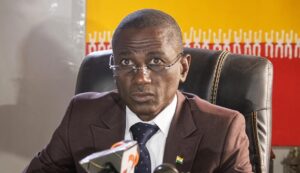
The atmosphere in Bamako is increasingly tense, reaching into the heart of the state apparatus. The public prosecutor has announced the detention of several Malian military personnel, who are suspected of collaborating with the attackers during last weekend’s operations.
Between the territorial expansion of rebel groups, the JNIM’s ambiguous political overtures, and the economic strain caused by blockades, the transitional regime is facing its most severe crisis to date. The struggle for the future of Mali is no longer confined to the northern deserts; it is now being fought on the grounds of political legitimacy within the capital itself.