
The economic landscape of West Africa is undergoing a significant adjustment in May 2026, as households grapple with persistent inflation while fuel prices at the pump reveal stark contrasts between neighboring nations. A growing disparity has emerged, particularly between Côte d’Ivoire and Bénin, reshaping consumer perceptions and regional market dynamics.
The ivoirian dilemma: high costs despite petroleum production
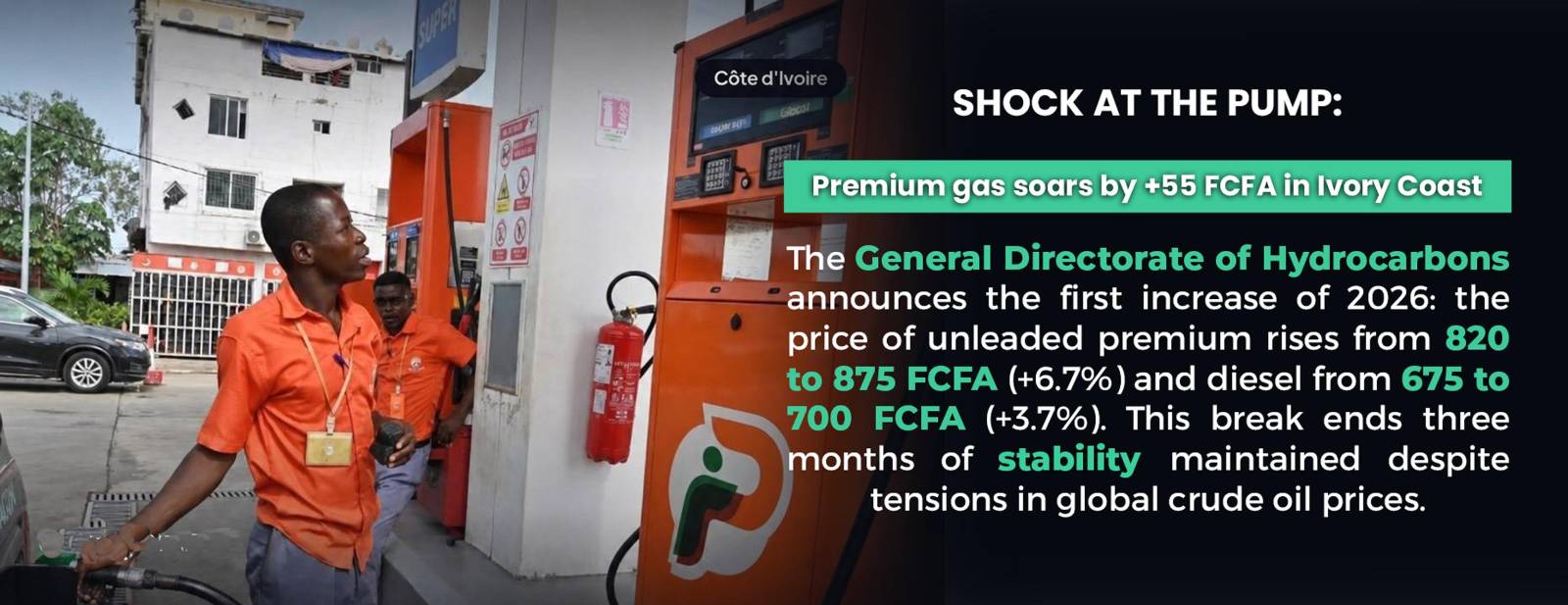
The Direction Générale des Hydrocarbures de Côte d’Ivoire has recently implemented a substantial price adjustment, marking the first increase of the year. While the country boasts petroleum reserves, the latest tariffs reflect a challenging reality for consumers. The Super unleaded price has risen from 820 to 875 West African CFA francs per liter—a 6.7% surge—while diesel now exceeds 700 CFA francs.
This development has sparked widespread concern among Ivorian citizens, who question why a petroleum-producing nation fails to offer more competitive fuel prices. The impact extends beyond the pump, as higher fuel costs inevitably drive up transportation expenses, further straining household budgets and the price of essential goods.
Bénin’s strategic restraint: stability through policy
In contrast, Bénin has adopted a measured approach to fuel pricing, prioritizing social stability despite lacking significant domestic oil production. As global oil prices surge due to geopolitical tensions in the Middle East, Bénin’s government has maintained competitive rates since May 1, 2026:
- Unleaded gasoline: 725 CFA francs/L
- Diesel: 750 CFA francs/L
The price gap is striking: gasoline in Bénin is 150 CFA francs cheaper per liter than in Côte d’Ivoire. This achievement stems from a deliberate policy of fiscal restraint and targeted subsidies, ensuring that energy costs do not exacerbate inflationary pressures on essential goods.
The larger economic implications
The divergent fuel pricing strategies between the two nations highlight a broader debate on resource management and economic sovereignty in West Africa. For Ivorian consumers, the price hike feels like an invisible tax, eroding purchasing power and limiting economic opportunities.
While Côte d’Ivoire possesses significant petroleum resources, the benefits have not translated into tangible relief for its citizens. Meanwhile, Bénin’s pragmatic fiscal policies demonstrate how strategic governance can offset the absence of natural resources, ensuring resilience in the face of global economic pressures.
Ultimately, this disparity raises a critical question: Does energy sovereignty truly serve its purpose if it fails to safeguard the economic well-being of the population?