
Former ally of pastef leader criticizes ousmane sonko’s stance on republic
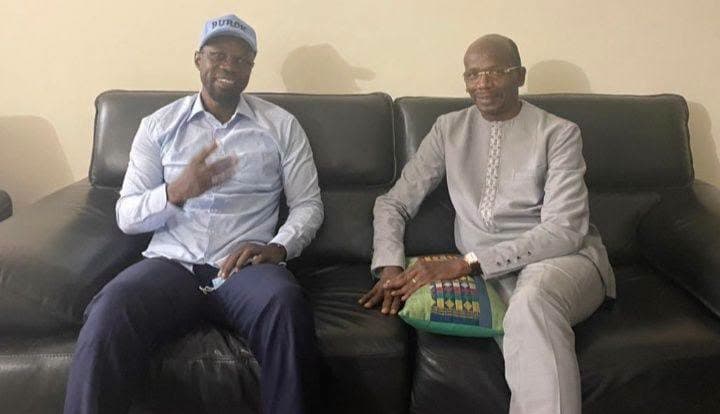
In a recent television appearance, Lansana Gagny Sakho, Chairman of the Board of Directors at the APIX, shared his perspectives on his evolving relationship with political figures in Senegal. He emphasized his unwavering commitment to the nation’s republican institutions, contrasting his stance with that of Ousmane Sonko, leader of the Pastef party.
During the interview, Sakho recounted his initial alignment with Pastef, driven by admiration for the individuals behind the political project rather than the ideology itself. However, he clarified that he declined an offer to lead the Ministry of Water and Sanitation after the political transition, prioritizing his principles over political positions. « My refusal to accept a role was not about the position itself but about staying true to my values. From the very beginning, I chose the Republic, » he stated.
Sakho did not mince his words when addressing Sonko’s relationship with the Republic. He accused the opposition leader of undermining state cohesion through public statements, particularly during critical moments, such as when the President was abroad. « Certain remarks made in Sonko’s absence revealed a lack of alignment with the Republic’s values. These statements not only embarrassed the Head of State but also deepened divisions within the government, » he asserted.
The discussion also touched on the evolving dynamics within Senegal’s judicial system. Sakho highlighted the replacement of former Minister of Justice Ousmane Diagne, suggesting it was an attempt to install a more compliant figure. « The perception that magistrates could be controlled was misguided. Judges are not puppets; they operate within a framework of independence, » he remarked. He underscored that the judiciary has made significant strides in recent times, dispelling notions of external manipulation.
Sakho’s remarks come amid a wave of resignations within Pastef, with several party members shifting allegiance to the presidential camp ahead of the launch of the Kiiraay party. His vocal support for President Diomaye Faye’s policies reflects a broader trend of institutional continuity and governance stability in the country.