
France-Sahel relations: Morocco’s growing influence in west africa
France-Sahel relations: Morocco’s growing influence in west africa
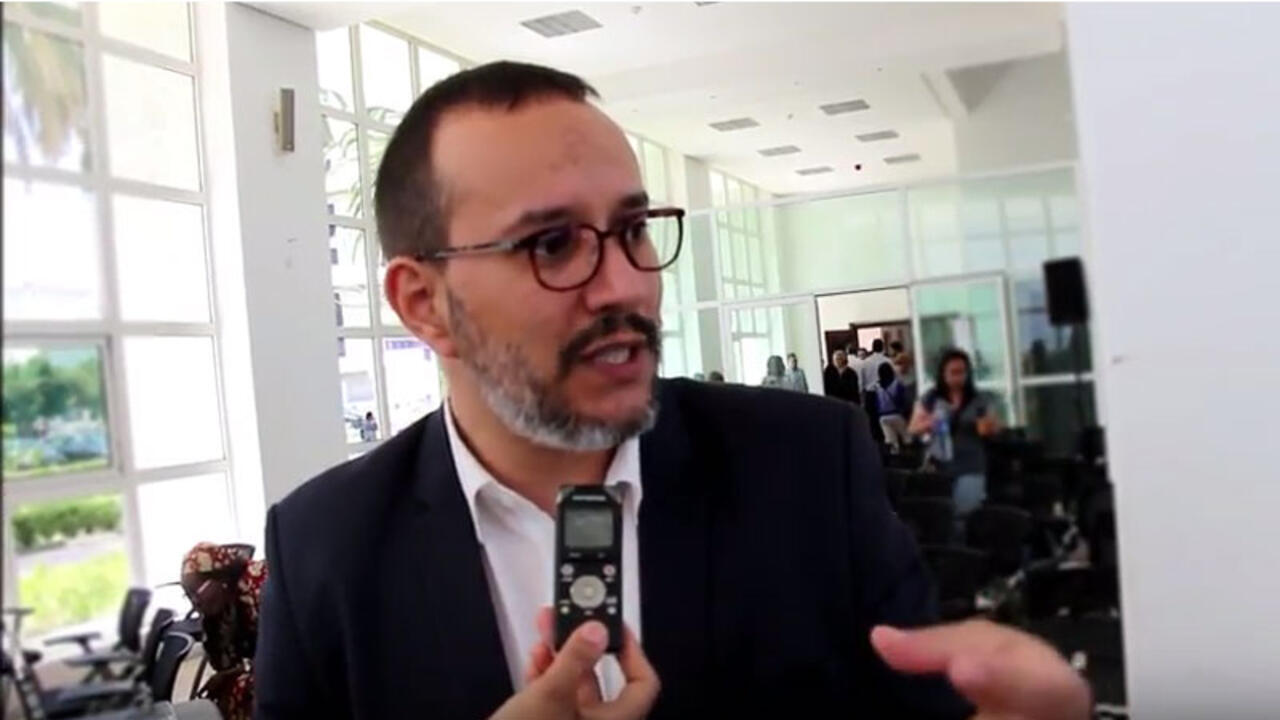
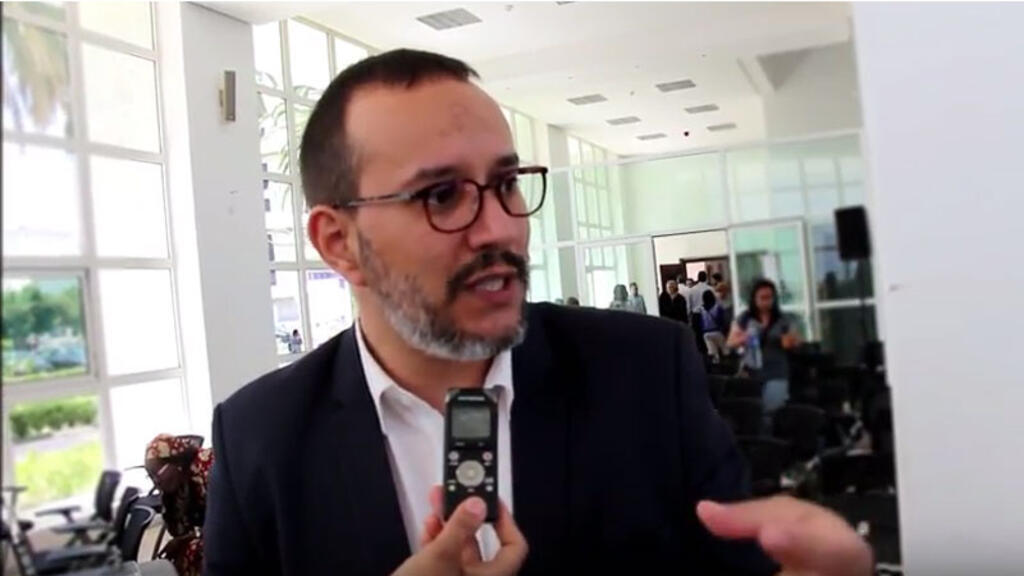
French Prime Minister Sébastien Lecornu arrived in Rabat on July 15 leading a high-level delegation of twelve ministers. While several agreements are expected to be signed during this visit, tensions around human rights have emerged as Moroccan authorities recently prosecuted a journalist and an artist. Mehdi Alioua, sociologist at the International University of Rabat and chairholder of Migration, Mobilities and Cosmopolitanism, shares his insights on France-Rabat relations and their broader implications for Sub-Saharan Africa.
Can Morocco help mend strained France-Sahel relations?
RFI: Over recent years, a subtle France-Morocco rivalry has unfolded across Sub-Saharan Africa—where France stumbles or recalibrates, Morocco steps in and invests. Has Morocco become the rival France didn’t see coming in territories it once considered its own?
Mehdi Alioua: Partly yes, partly no. No, because many Moroccan investments are made through joint ventures with French companies or in alignment with French diplomacy. There’s a strong South-South cooperation that also leverages North-South ties between Rabat and Paris. But yes, because Morocco has also pursued fully independent investments while actively promoting an African policy designed for Africa, as clearly stated by His Majesty the King.
Morocco’s expanding influence in the Sahel
In the Sahel, where France’s relations with the AES states have deteriorated, Morocco’s influence is on the rise. Could Rabat play a role in easing these tensions?
Morocco is sincerely trying to play such a role. However, I don’t believe the strain is at the people-to-people level. It’s more about politics. Take Mali, for instance—relations have worsened politically, especially with new governments that have exploited anti-French sentiment for populist gain. That’s not how Moroccan diplomacy operates.
Yet Morocco’s ties with Sahelian countries are centuries old, predating Islam and deepening with its spread. One need only recall the dynasty that gave France the word marabout—al-mourabitoune—whose members originated from the Sahel, ruled from Aghmat near Marrakech, and built an empire stretching from Spain to present-day Guinea and Mali. These enduring relationships allow Moroccan diplomacy to revive them effectively. We are neighbors separated by the Sahara, a sea of sand we’ve navigated for centuries.
Recent crackdowns and their implications
In recent days, Moroccan authorities have detained prominent critics, including Franco-Moroccan journalist Ali Lmrabet and rapper Mehdi Black Wind. Should this be a cause for concern?
Any imprisonment of journalists or artists should raise concerns. Authorities insist these cases are handled by independent courts, and those detained have the right to defend themselves. While the journalist has been released, he remains under investigation. The other case remains unclear, but human rights lawyers and activists in Morocco are already mobilizing to defend the accused. Justice will present the charges against them. Morocco has made significant strides in human rights over the years, though occasional setbacks reveal lingering old habits.
Does Morocco match France’s allure in Africa?
No, not yet. But Morocco is increasingly attracting attention, thanks to a clear policy from its authorities. The African Nations Cup hosted in Morocco showcases this ambition, though its impact is fragile. The Moroccan public questions why so much is invested in stadiums while endemic poverty persists. Meanwhile, on the continent, a single final and a dispute with Senegal were enough to turn African public opinion against Morocco. Statements claiming Morocco has European-quality pitches only fuel resentment, undermining its African diplomacy. Morocco draws admiration and fear in equal measure. It won’t match France’s appeal until it achieves high-income status. Only then will it attract as much, if not more.