Gabon allocates 377.68 billion fcfa to defence in 2026
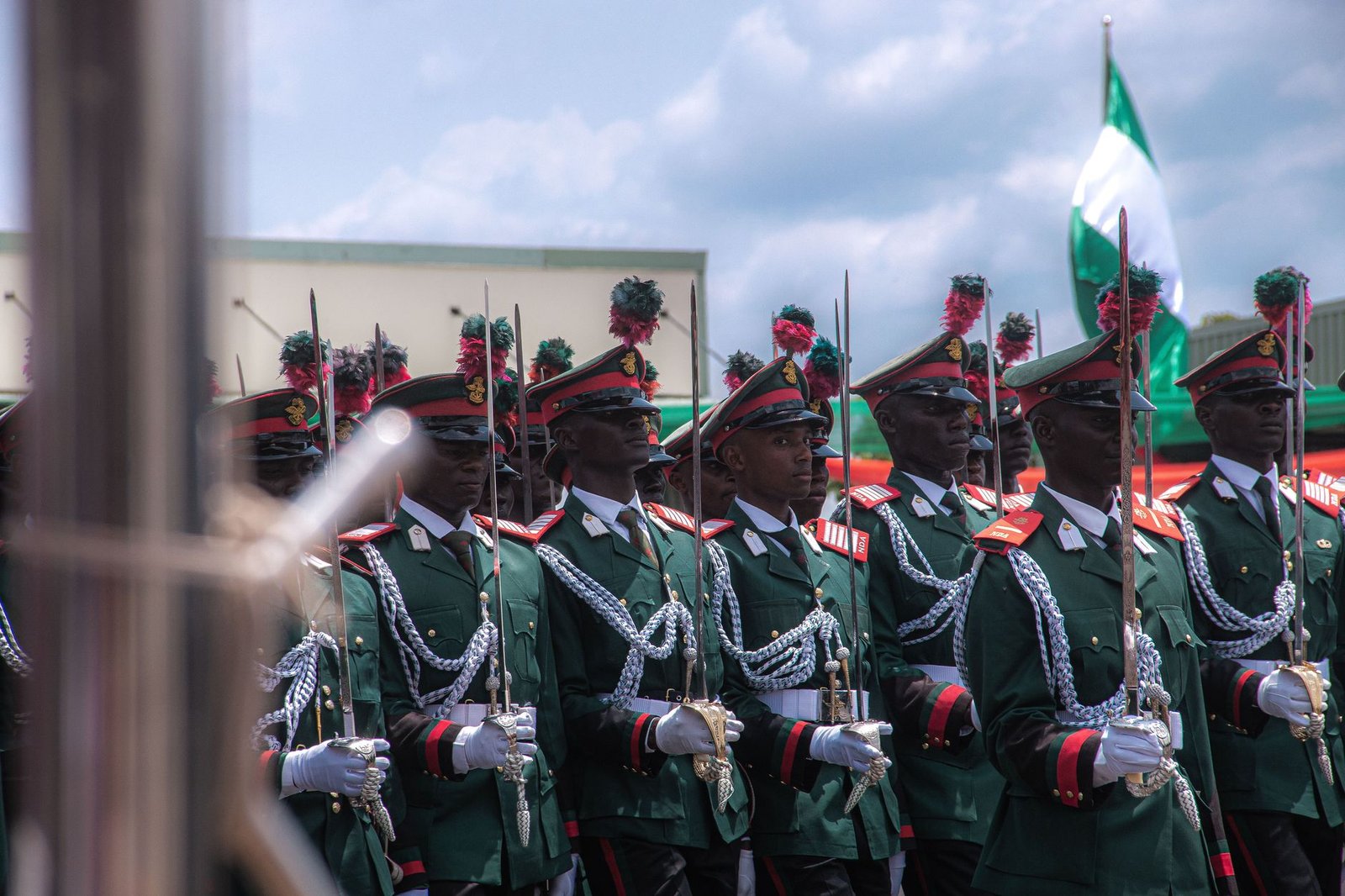
Gabon’s defence spending reaches a new milestone in 2026. Minister of State and Minister of National Defence, Brigitte Onkanowa, appeared before the Finance, Budget and Public Accounts Committee of the National Assembly on 11 June to present a budget of 377.68 billion FCFA included in the 2026 revised finance bill. This allocation, defended amid a political transition and shifting security dynamics in Central Africa, aims to bolster the capabilities of Gabonese armed forces across the entire operational spectrum.
The budget decision comes as Libreville seeks to reshape its military apparatus following the regime change in August 2023. The transitional authorities, now nearing the end of their institutional cycle, have made the modernisation of defence forces a key pillar of their sovereign policy. According to the ministry, the proposed sum reflects a will to align resources with the missions assigned to the national army.
Budget structured around several operational priorities
Before lawmakers, Brigitte Onkanowa detailed the main projects of her department. The minister stressed the need to consolidate gains while preparing for a buildup of units across the national territory. The financing is notably intended to improve military conditions, continue equipment programmes, and maintain an ageing defence apparatus in certain areas.
The presentation highlighted coherence between commitments made by the head of state, Brice Clotaire Oligui Nguema, and the ministry’s financial trajectory. Gabon’s executive closely links security issues with economic sovereignty, in a subregional environment marked by security tensions in the Gulf of Guinea and migratory and fishing pressures on territorial waters.
Capacity modernisation and improved living conditions
The credits planned for 2026 are expected to accelerate several capability programmes, including the acquisition of equipment and the upgrading of military infrastructure nationwide. The minister emphasised the importance of sustained efforts in barracks, health support, and individual equipment—areas long described as deficient by troops. The goal is to turn budget allocations into tangible operational gains without spreading resources across non-priority projects.
The human dimension also plays a central role in the presented strategy. Issues of pay, social coverage, and training are highlighted as levers for retention and professionalisation. Brigitte Onkanowa reminded the state’s responsibility towards active soldiers and veterans, in line with guidelines set by the presidency.
A political signal amid institutional consolidation
Beyond the numbers, the 377.68 billion FCFA allocation carries political weight. It confirms that defence remains a sovereign priority for Gabonese authorities, in a country where the military institution played a decisive role during the transition. Maintaining a high level of budgetary commitment to the armed forces fits into a logic of state consolidation and prevention of security vulnerabilities at the borders.
However, the question of execution remains. Finance Committee deputies have, in previous exercises, pointed to gaps between commitment authorisations and actual payments in some ministries. The defence ministry’s ability to absorb this budget, to award contracts on time, and to report on the use of funds will be scrutinised throughout the 2026 fiscal year. For Libreville, the stakes go beyond strict budgetary arithmetic: it must demonstrate that a substantial financial effort can produce measurable effects on the operational posture of the Gabonese armed forces.