
The relationship between the global luxury leader LVMH and Gabon is entering a decisive phase. The conglomerate, overseen by Bernard Arnault, is currently finalizing an exploratory memorandum of understanding with the Agence gabonaise pour le développement de l’économie verte (Agadev). These negotiations, centered in Paris, focus on establishing a supply chain for non-timber forest products harvested from the vast Gabonese wilderness. This strategic agreement is expected to be formalized shortly before an upcoming official diplomatic visit.
Moabi and odika: the new pillars of luxury cosmetics
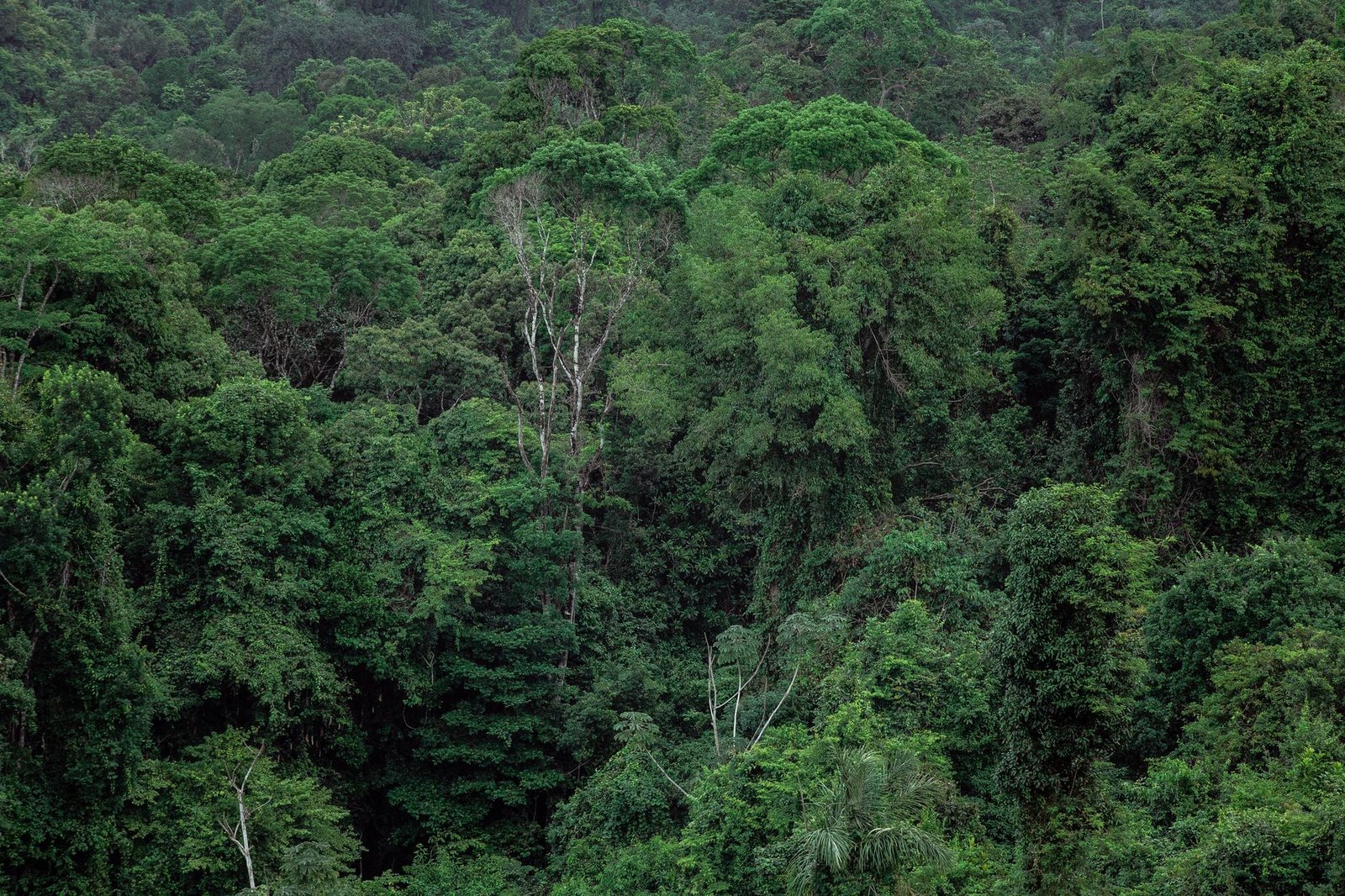
Two specific botanical treasures from the Congo Basin are at the heart of this partnership. The Moabi, a giant of the forest reaching heights of sixty meters, produces an oil highly valued for its dermatological and nutritional benefits. Alongside it, the Odika—frequently referred to as wild chocolate or wild mango—yields an aromatic kernel that is becoming a staple in high-end perfumery and gourmet cuisine. Once primary components of local village economies, these resources are being elevated to premium status by European luxury houses.
LVMH’s pursuit of these materials reflects a broader industry shift. Major beauty and fragrance brands are increasingly seeking out partnerships in biodiverse regions to secure unique ingredients with authentic cultural narratives. Both Moabi and Odika provide the botanical rarity and geographic prestige required for the development of exclusive, top-tier collections.
Agadev and the transformation of Gabon’s economy
As the entity tasked with steering Gabon away from its historical dependence on fossil fuels, Agadev is central to the nation’s “green gold” strategy. With nearly 88% of its territory covered by dense forests, Gabon aims to convert its natural heritage into a sustainable revenue stream. Developing organized sectors for non-timber forest products is now a top priority for the transitional government.
For the authorities in Libreville, partnering with a giant like LVMH—which manages prestigious names such as Dior, Guerlain, and Louis Vuitton—serves as a powerful economic endorsement. With its massive global reach, the group has the power to elevate an entire local industry. The challenge for Gabon remains ensuring that the maximum amount of value is retained within the country, avoiding the pitfalls of exporting raw materials without local processing.
Sustainability and the challenge of global traceability
The timing of this deal aligns perfectly with the current diplomatic calendar, providing a formal backdrop for Gabon to re-engage with major international economic players. However, the long-term success of the venture depends on meeting rigorous standards for traceability and community rights, as well as adhering to strict environmental mandates.
The European Union’s recent regulations regarding deforestation have significantly raised the stakes. Luxury groups must now provide precise documentation for every ingredient, tracing its journey from the forest floor to the final product. Gabon is well-positioned to meet these demands, having already invested in advanced satellite mapping of its forest cover. The next step involves organizing local village cooperatives to ensure a consistent, high-quality supply of Moabi and Odika that meets international industrial standards.
This agreement could potentially serve as a blueprint for future collaborations between luxury conglomerates and African forest nations. As the global hunt for rare ingredients intensifies, the Congo Basin’s untapped botanical potential offers significant opportunities for industrial-scale development. The formal signing of this protocol is anticipated in the coming weeks.