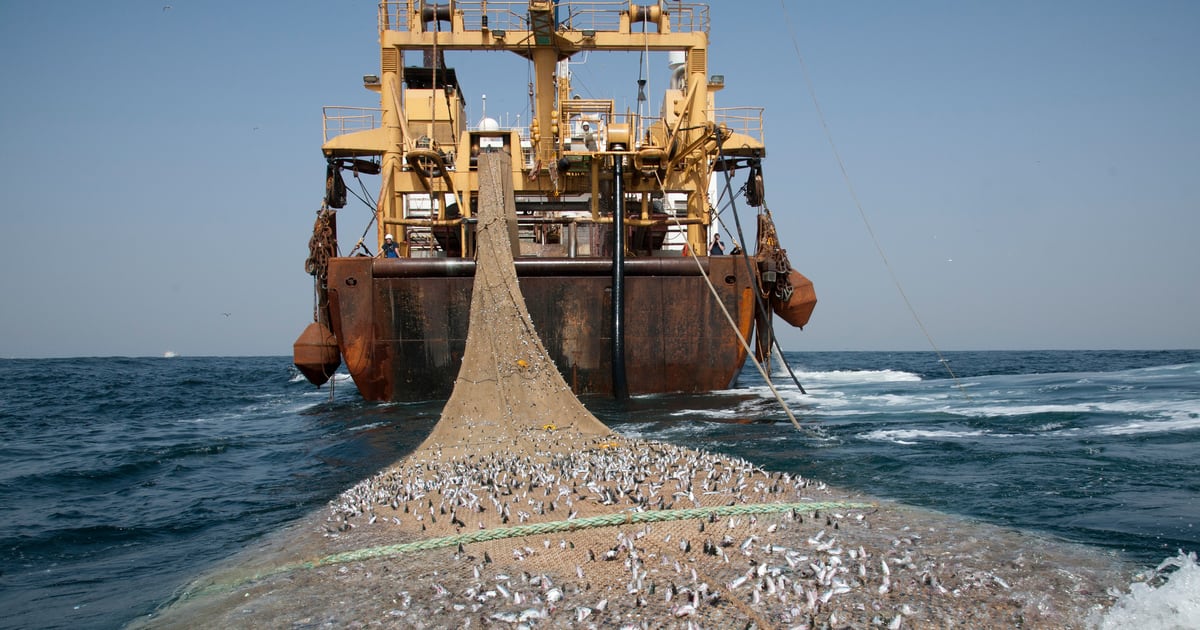

Gabon is set to terminate its long-standing fishing partnership with the European Union, as authorities deem the current terms deeply unfavorable. The move follows President Brice Oligui Nguema’s announcement in mid-2025 of a unilateral withdrawal process, citing a partnership that «fails to reflect true economic balance» and requires urgent renegotiation.
EU responds with fresh negotiation offer
In a recent statement, the European Union expressed readiness to enter constructive discussions to resolve concerns raised by Gabon. A senior EU representative in Libreville confirmed the bloc’s willingness to explore a new Sustainable Fisheries Partnership Agreement—one designed for the modern era—alongside a revised protocol that prioritizes mutual benefits.
The proposed framework aims to establish a fair, efficient, and sustainable fishing framework, ensuring long-term cooperation that aligns with Gabon’s economic and environmental goals. «We are committed to building a relationship that benefits both sides,» the EU delegation noted, emphasizing a forward-looking approach.
Why Gabon decided to walk away
Gabon’s government has long argued that the existing 2007 agreement delivers insufficient returns. Key criticisms include:
- Undervalued fishing rights: Revenue from EU vessel access does not cover the full economic cost of resource extraction, surveillance, or enforcement.
- Missed local development opportunities: Limited reinvestment in Gabonese fisheries infrastructure, job creation, or capacity building.
- Ecological concerns: Lack of robust transparency and scientific oversight raises risks of overfishing in Gabonese waters.
In a June 2025 briefing, officials highlighted that the agreement’s financial contribution—estimated at 17 billion CFA francs (€26 million) over its latest five-year term—falls short of compensating for these losses. The renewal of the deal in 2021 did little to address structural inequities, prompting the decision to terminate it.
What comes next?
The termination process is now underway, with both parties expected to enter formal negotiations in the coming months. Gabon’s leadership has made it clear: a new agreement must prioritize local economic gains, sustainable resource management, and equitable benefit-sharing.
The EU, for its part, has signaled openness to restructuring terms—but the path forward hinges on bridging the gap between Gabon’s demands for fairness and the bloc’s commercial interests.