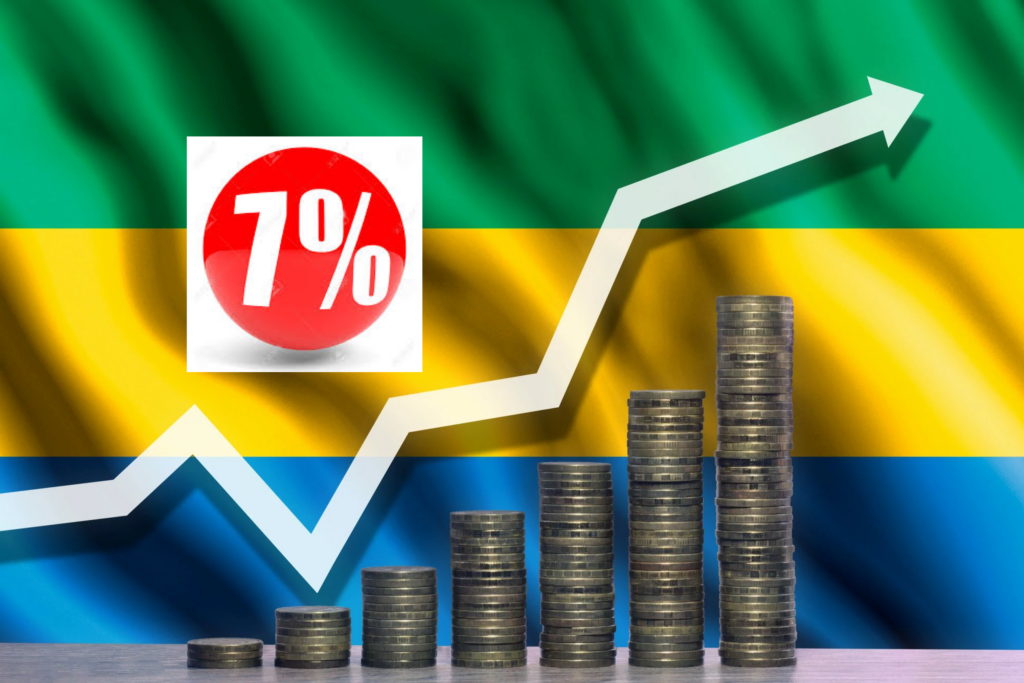

Gabon targets 7% growth by 2030 with bold economic reforms
A decade of stagnant economic growth below 5% has pushed Gabon to break free from its traditional reliance on raw material exports. President Brice Clotaire Oligui Nguema has unveiled a groundbreaking strategy to revitalize the nation’s economy and achieve unprecedented development.
The president’s diagnosis is clear: “Gabon’s rentier model has failed to generate growth, let alone inclusive prosperity.”
Ending the reliance on raw exports
Highlighting the paradox of exporting crude oil and manganese without harnessing their full economic potential, the Head of State emphasized: “Exporting raw materials means exporting jobs.”
A three-pillar economic transformation
To steer Gabon toward sustainable and job-creating growth, the government is implementing a bold three-pronged approach:
- Systematic industrialization through local processing of raw materials to create added value.
- Economic diversification by prioritizing agriculture and service sectors to reduce dependency on extractive industries.
- Business climate reform to foster a more attractive and investor-friendly environment.
The 2026-2030 National Growth and Development Plan (PNCD)
The centerpiece of this economic revival is the National Growth and Development Plan (PNCD) 2026-2030, designed to catapult Gabon’s growth rate to between 6% and 7% within the next six years.
The PNCD targets key sectors with high potential:
- Local manganese processing and industrialization.
- Expansion of poultry and cattle farming industries.
- Accelerated digital transformation across public and private sectors.
- Carbon market initiatives to monetize Gabon’s vast forest resources.
“Gabon possesses the resources; what it lacked was strong governance—and we have restored it,” declared President Oligui Nguema.
By aligning economic ambition with disciplined governance, the government aims to position Gabon among Africa’s most dynamic economies by 2030.