

Global oil production from the Organization of the Petroleum Exporting Countries experienced a significant resurgence in June, as revealed by a recent monthly survey. The eleven member nations collectively produced 19.43 million barrels per day, marking a substantial increase of 3.3 million barrels daily compared to May. That month had seen output plummet to its lowest recorded level since at least 2000. This recovery largely stems from the gradual resumption of capacities in Kuwait and Iran, with Tehran successfully restarting exports following the lifting of a United States naval blockade on its ports. Despite this clear signal of a worldwide rebound, Gabon’s public finances have yet to experience any direct, positive impact.
The core reason for this disconnect lies in the very nature of the rebound. It represents a post-Strait of Hormuz crisis catch-up, rather than a surge driven by genuine demand. Furthermore, OPEC+ decided to raise its production targets for August, a move that subsequently pressured crude prices amidst mounting fears of oversupply. These concerns were further fueled by record American production, which approached 14 million barrels per day. A global market rebalancing downwards offers little advantage to a smaller producer like Gabon, whose national revenue relies primarily on the prevailing price levels of oil, rather than the overall volumes traded worldwide.
This market dynamic unfolds at a time when Gabon’s budgetary trajectory remains under considerable strain. The nation’s 2026 budget review has already seen spending forecasts significantly reduced, from 6,358.9 billion FCFA to 5,495.2 billion FCFA, based on conservative price assumptions. Moreover, Gabon’s oil revenues have structurally declined by 35% between 2023 and 2026. This drop is attributed to a combination of falling Gabonese crude prices and evolving production volumes over recent years. Consequently, the country’s fiscal flexibility was already constrained even before this latest episode of price pressure on the global market.
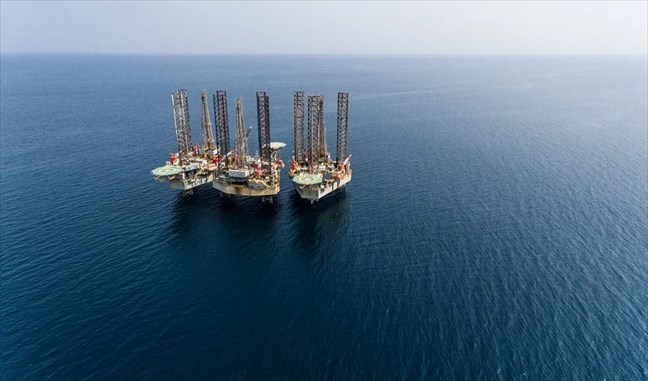
In response to this challenging economic equation, Libreville is strategically focusing on compensating through increased production volumes rather than simply waiting for a price recovery. The Ngongui field, which commenced operations in April, contributes an additional 10,000 barrels per day, elevating that specific site’s total output beyond 60,000 barrels daily. Similarly, Assala Gabon, a key subsidiary of Gabon Oil Company, aims for a 22% increase in its production, driven by the ongoing development of the Grand N’Gongui field.
This strategic ramp-up aligns with the broader energy sovereignty initiative undertaken following the acquisition of Assala Energy and the assets of Tullow Oil. The objective is clear: to boost domestic production under national control, thereby capturing a greater share of the value generated by each barrel. Furthermore, the current window of lower prices makes this volume-focused strategy less of an option and more of a necessity compared to a year ago. In the coming weeks, key indicators to monitor will extend beyond global OPEC figures to include the upcoming economic report from the DGEPF, data from the BEAC concerning Gabonese crude oil prices, and the actual rate of production increase from the Ngongui and Grand N’Gongui fields.